Business
Kebabs firm fined £500,000 over false lamb labels
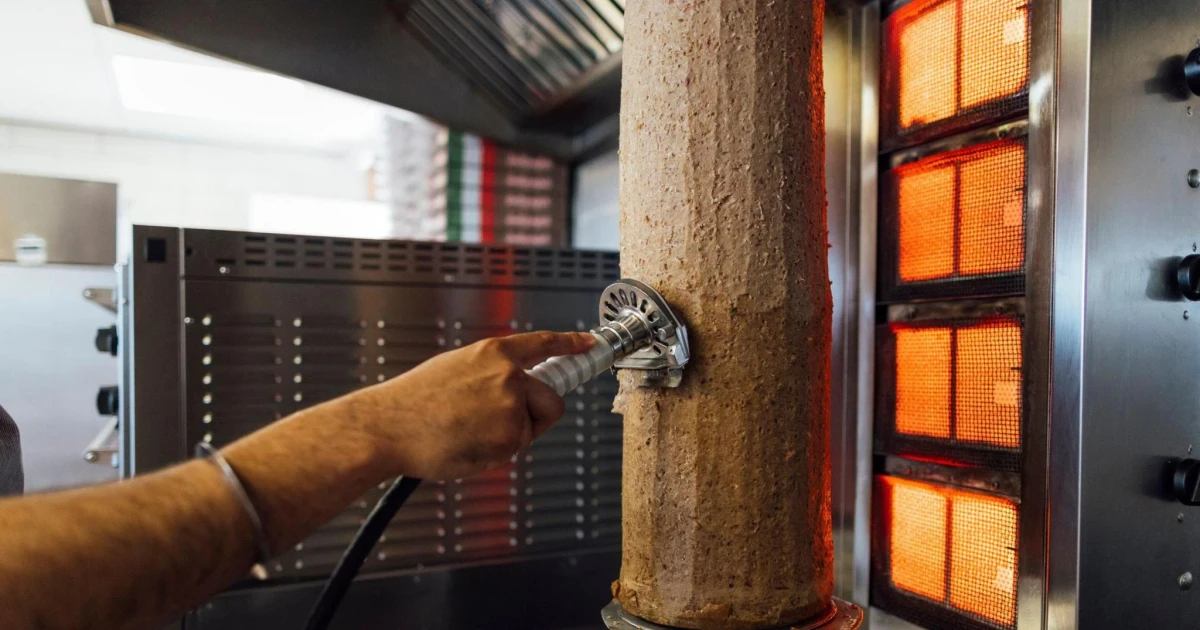
Swansea Crown Court fined Kismet Kebabs Ltd £500,000 and ordered it to pay £259,298.67 in costs after the company admitted one count of fraud by false representation over kebabs sold as lamb. The case centred on products that reached wholesalers, retailers and consumers across the UK with labels that did not match what was inside.
Swansea Council said its Trading Standards team began investigating in 2020/21 after sampling from a regional exercise raised concerns that products labelled as lamb kebabs did not match their declared contents. Further testing uncovered major discrepancies between the labels and the meat actually present, and officers later found no actual lamb on the factory floor during a multi-agency visit in May 2021. Instead, they found significant quantities of lamb fat, skin, goat and mutton.
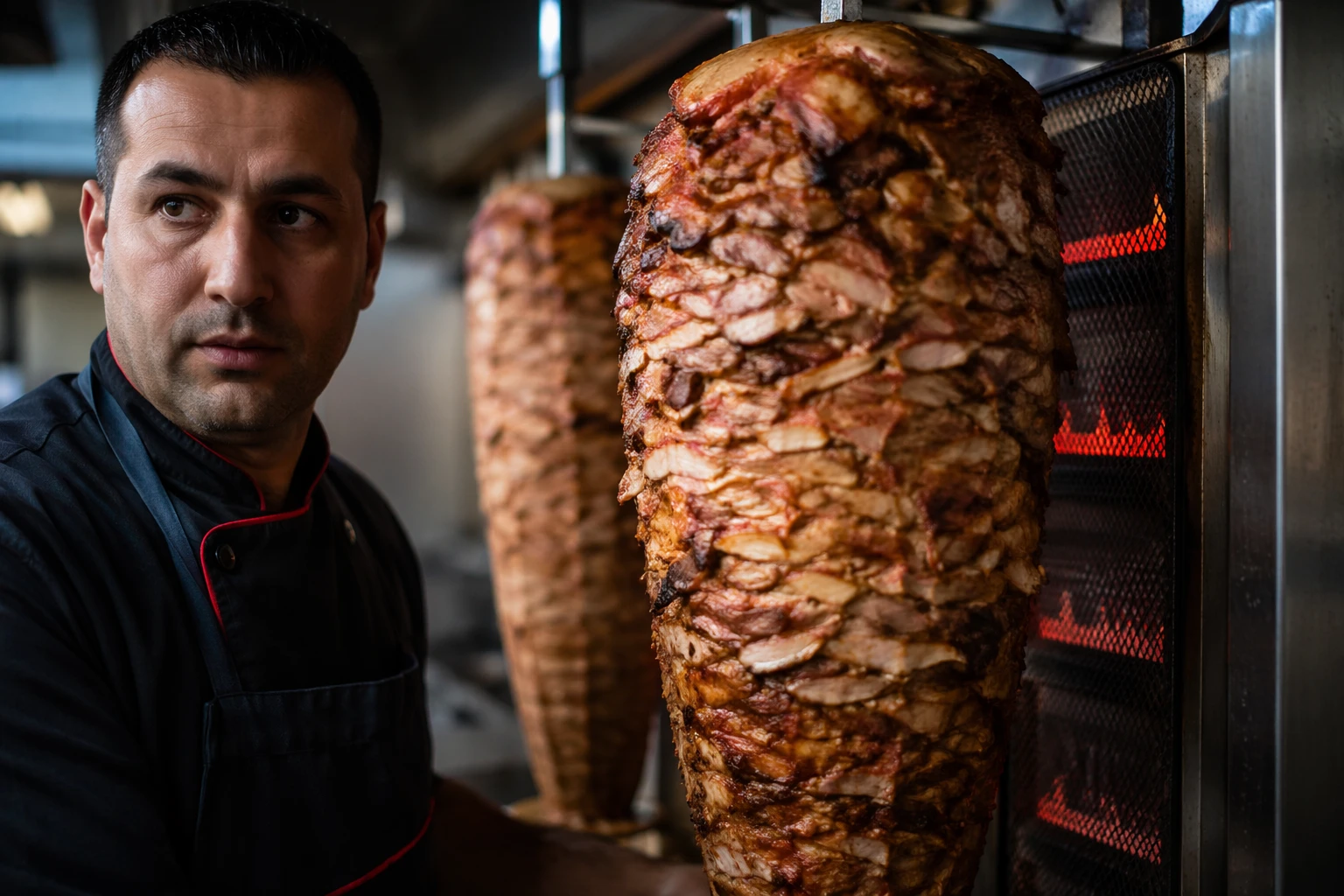
One label cited in the case claimed the product was 87% lamb, yet analysis found only 51% meat of any kind and 40% fat. That gap goes beyond a simple misdescription. For consumers avoiding certain meats for religious dietary reasons, or those relying on accurate ingredient lists for health and dietary restrictions, the false labels meant they were making choices on information that was not true.
Kismet Kebabs is based in Chelmsford, Essex, and Companies House records show the business was incorporated on 2 May 2008. On its own website, the company describes itself as one of the UK’s leading doner kebab manufacturers and says it produces more than 100 tonnes of kebab products every week, supplying wholesalers, foodservice operators, cash and carries, retailers and catering businesses. That scale helps explain why the deception was treated as a national issue rather than a local one.
The case has drawn comparisons with the horsemeat scandal that shook food supply chains in 2013. The European Commission says official controls first exposed undeclared horse meat in pre-packaged foods in January 2013, and UK authorities later reported beef lasagne containing 80% to 100% horse meat. Swansea Council said it hoped the fine would deter other businesses from falsely labelling food, while the investigation showed how routine trading standards sampling can uncover fraud that company controls failed to stop.