Politics
Keiko Fujimori wins Peru runoff, set to become first elected female president
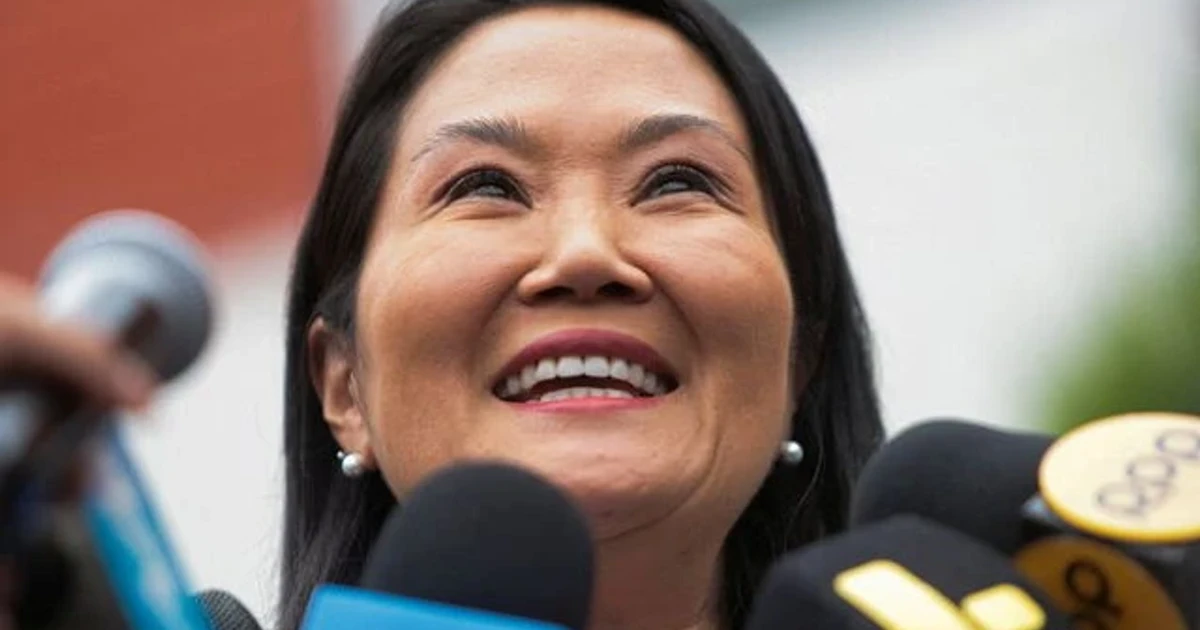
Keiko Fujimori won Peru’s runoff with 50.11% of the vote, a margin of 43,386 ballots that left her poised to become the country’s first elected female president. The result came after weeks of counting from the June 7 runoff, which followed a first round on April 12 and was still being parsed through more than 82,000 disputed tally sheets.
Peru’s electoral authority was reviewing the final count as Fujimori’s lead became insurmountable late Tuesday. The election hinged not only on contested precincts but also on overseas voting, where Roberto Sánchez’s camp sought to annul results from 119 consular offices, arguing that a procedural change had made the tally vulnerable to manipulation. ONPE handled more than 92,000 polling tables across Peru and about 2,000 abroad.
Sánchez, a leftist congressman, said he would not recognize the result, deepening the strain around an election already marked by mistrust and exhaustion. International observers said both rounds proceeded normally, but the prolonged count fed suspicion in a race that was close from the start. Fujimori’s final share, 49.89%, was enough to pull ahead only after the last overseas ballots and challenged sheets were folded into the total.
The win would return one of Peru’s most divisive political dynasties to power. Fujimori is the daughter of former president Alberto Fujimori, and her four presidential bids have each been shaped by the same anti-Fujimori current that has remained strong in Peruvian politics. She lost previous runs in 2011, 2016 and 2021, turning her into both a familiar national figure and a lasting symbol of the country’s political fracture.
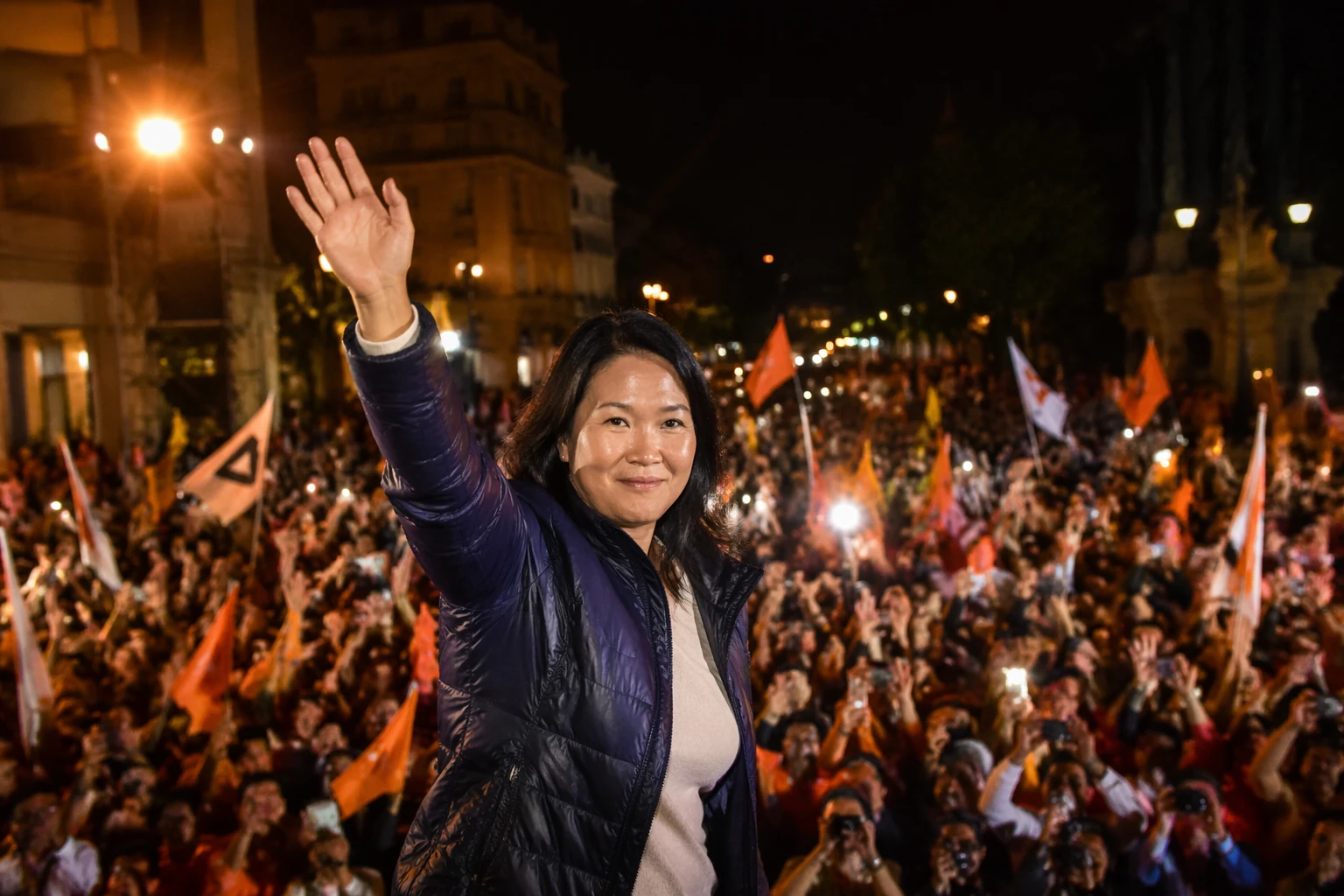
Her victory lands in a country where instability has become routine. Peru has cycled through eight presidents in the past decade, and no president in the last 10 years has managed to finish a full term. The country’s copper-exporting economy has also been under pressure from rising crime, corruption and political volatility, sharpening demand for a tougher response from the next government.
If the result is formally confirmed, Peru’s electoral authority is expected to announce the winner in mid-July, and the next president is due to be inaugurated on July 28, 2026, for a five-year term. Fujimori’s return offers voters the familiarity many have gravitated toward, but it also brings back the historical baggage and institutional damage that have made her name so deeply polarizing.
Sources
- [1]usnews.com
- [2]english.elpais.com
- [3]aljazeera.com
- [4]andina.pe