World
Keir Starmer resigns amid Labour crisis and leadership challenge
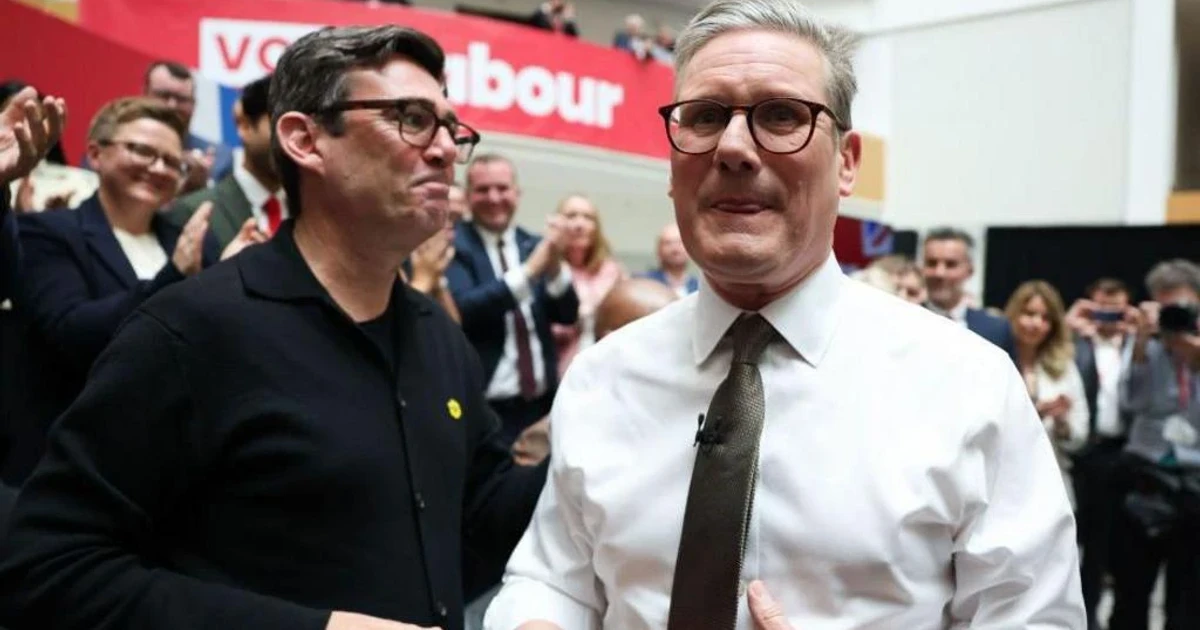
Keir Starmer resigned as leader of the Labour Party and, by extension, as U.K. prime minister after months of mounting pressure that turned a political setback into a full leadership crisis. The immediate trigger was not one scandal alone, but a collapse in confidence inside Labour after poor local and regional election results in early May and a leadership challenge that tightened around Starmer’s office in recent days.
The most damaging political blow came from the fallout over Peter Mandelson. Starmer has not been linked to wrongdoing in the Epstein files, but his decision to appoint Mandelson as ambassador to Washington drew fierce criticism because of Mandelson’s long relationship with Jeffrey Epstein and the questions it raised about what Starmer knew, and when. Starmer later fired Mandelson, yet the episode continued to erode his authority and gave opponents, and some allies, a reason to demand he go.
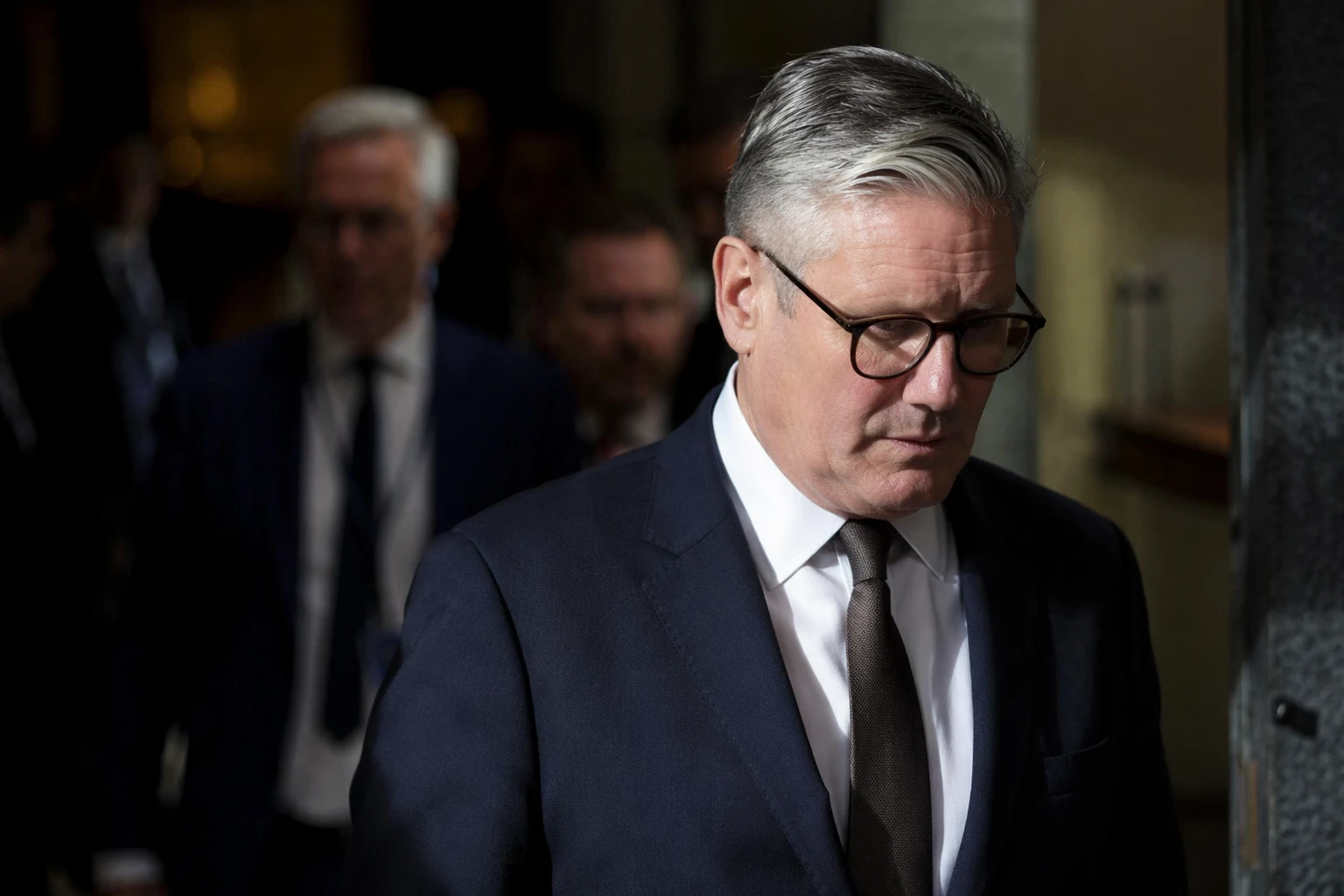
Starmer’s resignation also opened the door to a succession battle that could reshape Labour and the wider British government. Andy Burnham, the former Manchester mayor, emerged as the leading successor after winning a special election on June 18 and returning to Parliament, a necessary step because British prime ministers are normally drawn from sitting members of the House of Commons. Starmer’s exit could make him the U.K.’s seventh leader in 10 years, a stark measure of the instability that has marked British politics in the post-Brexit era.
Under Labour Party rules, a challenger needs the backing of 20% of Labour MPs to force a leadership contest, a threshold raised from 10% in 2021. If a contest is triggered, the incumbent leader is automatically on the ballot and party members choose the winner in a preferential vote. By May 12, a fifth of Labour MPs were already calling on Starmer to step down, and four Cabinet ministers had resigned, underscoring how far his support had eroded inside his own party.
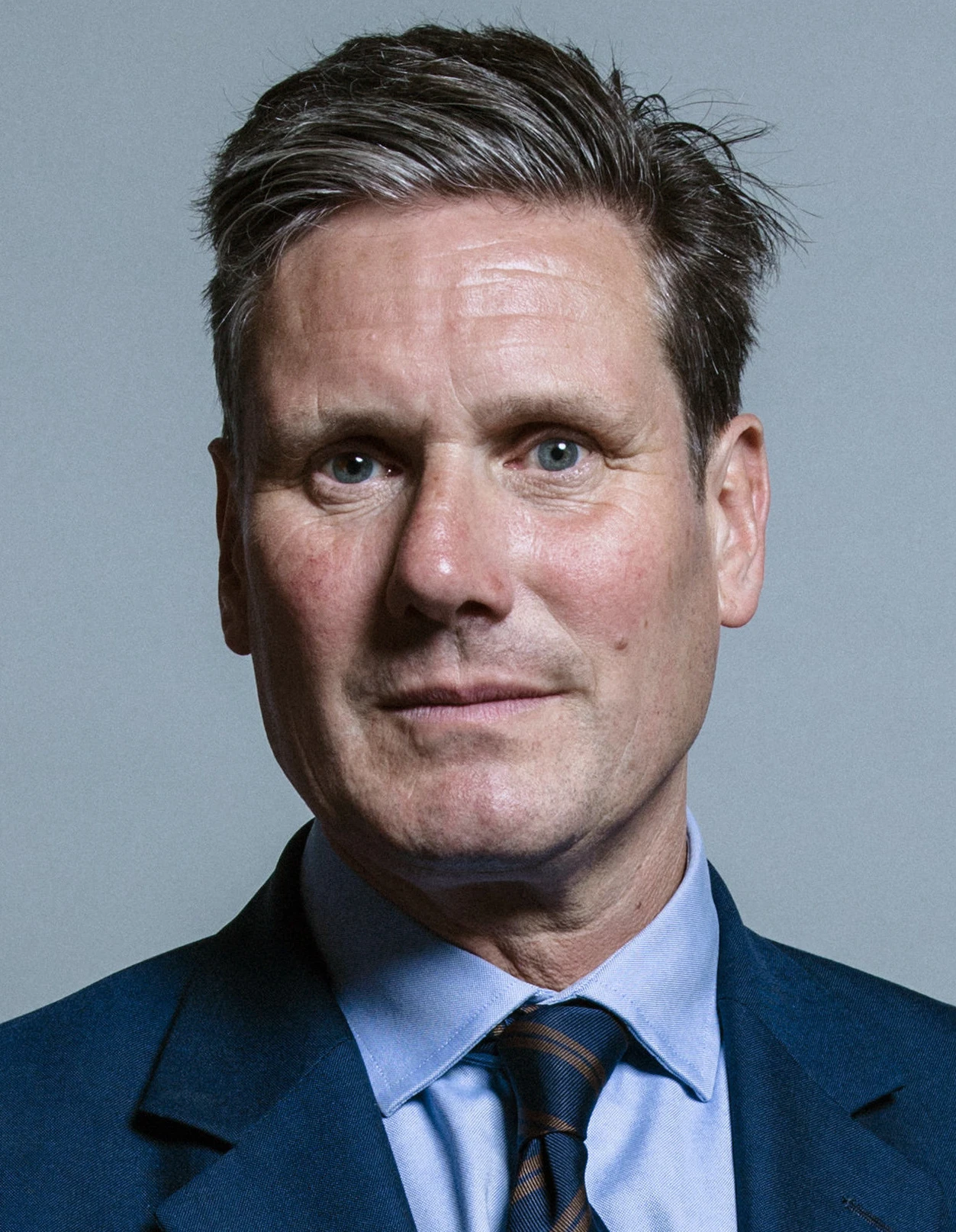
In a resignation statement outside 10 Downing Street, Starmer said he had spoken to King Charles III and would remain in office until a new Labour leader is chosen, aiming for an orderly transfer of power. For Washington, the episode is a reminder that elite networks and personal associations can abruptly destabilize allied governments, with immediate consequences for diplomacy as well as domestic politics.