Politics
Kelly, Warner join Face the Nation amid trade and security debates
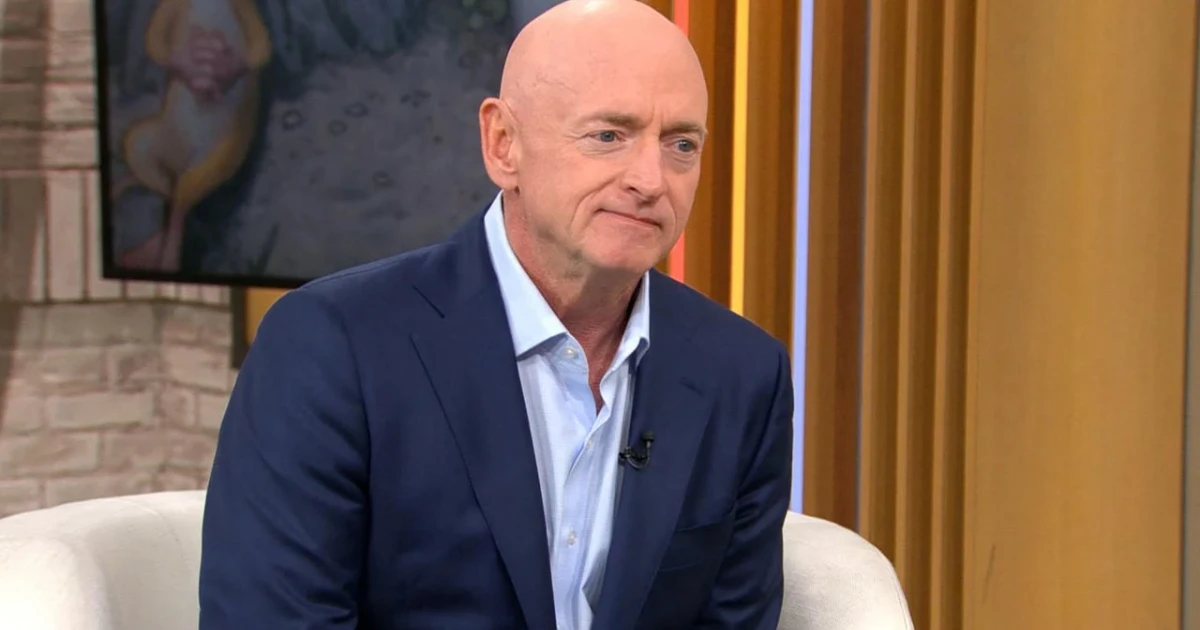
Mark Kelly’s push on Chinese shipbuilding, Mark Warner’s warnings about election security and Gary Cohn’s tariff message will make the June 14 Face the Nation less a guest list than a preview of the fights that are likely to dominate Washington next. Margaret Brennan’s broadcast will put national security, intelligence, trade and inflation on the same stage at a moment when lawmakers are already pressing on every front.
Kelly arrives after sharpening his case against Beijing’s grip on shipbuilding. On June 8, he and Elizabeth Warren urged U.S. Trade Representative Jamieson Greer to reinstate Section 301 port fees on Chinese ships, arguing that China’s industrial dominance threatens U.S. national security and American workers. Their letter said China produced less than 5% of commercial ships in 2000, while last year Chinese ships accounted for more than half of commercial ships produced worldwide; U.S. shipyard production accounted for just 0.1% of global production. Kelly also said on June 11 that he voted against the Senate Armed Services Committee’s Fiscal Year 2027 NDAA in committee because of priorities, pointing to the pressure families face from groceries and housing costs.
That sets up a sharp line for viewers to watch: whether Kelly frames defense policy as industrial strategy, a military readiness issue or a kitchen-table economic problem. The Arizona senator helped secure final passage of the 2026 NDAA in December, including a 3.8% pay raise for service members and provisions that blocked staffing cuts at Fort Huachuca’s Electronic Proving Ground and supported upgrades at Davis-Monthan Air Force Base. His appearance on the show also keeps national security tied to local defense jobs and military family costs.

Warner is likely to bring a different but equally consequential agenda. On June 10, he joined Alex Padilla and Gary Peters in demanding answers on election security preparations ahead of the 2026 midterms, noting that fewer than six months remained until the election. The next day, he introduced the Combat Emerging Threats to Critical Infrastructure Act of 2026, a cybersecurity bill aimed at emerging AI threats. Earlier this year, Warner and Mike Rounds rolled out the Economy of the Future Commission Act, which would require an interim report within seven months of enactment and a final report within 13 months, with recommendations on training, reskilling, unemployment insurance, taxation and competitiveness.
Warner has also been pressing the cost-of-living message, saying Virginia families have had to spend $2,600 more on everyday essentials under Trump. That gives his interview a clear fault line: whether AI, cyber defense and election integrity are being treated as long-term governing problems or as campaign-season warnings.
Cohn’s presence rounds out the picture with a market-minded lens on tariffs and inflation. CBS has used the former White House National Economic Council director to talk trade before, and in a September 2024 appearance he warned that proposed tariffs could fuel inflation. Combined with recent Face the Nation coverage of Iran, Ukraine, tariffs, immigration, AI and the economy, the guest list signals a broadcast built around the next policy clash, not just the week’s headlines.
Sources
- [1]cbsnews.com
- [2]kelly.senate.gov
- [3]warner.senate.gov