Entertainment
Kennedy Center Faces Lawsuits and Leadership Shakeup
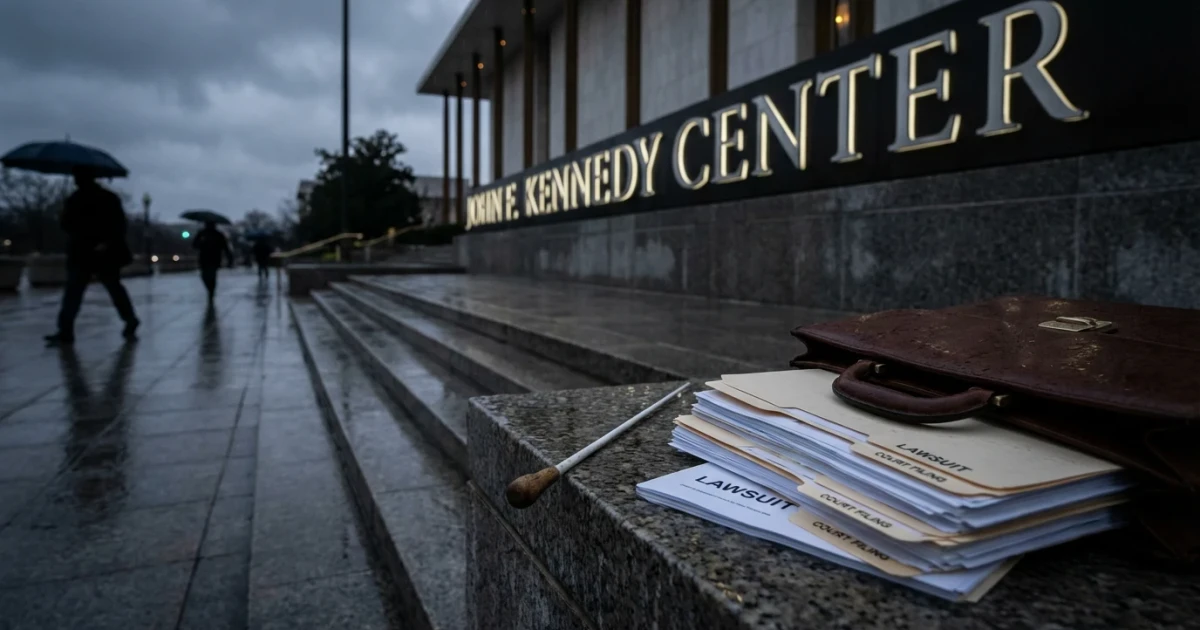
The Kennedy Center for the Performing Arts endured a tumultuous Friday as the institution grappled with the resignation of the National Symphony Orchestra’s (NSO) director and the filing of two separate lawsuits. These developments, as reported by The Washington Post, have intensified scrutiny of the nation’s premier performing arts venue and its leadership during a period of ongoing change in American cultural institutions.
Leadership in Transition: NSO Director Steps Down
The high-profile resignation of the NSO’s director marks a significant leadership shakeup for the Kennedy Center. While the director’s name and specific reasons for departure were not detailed in the initial reporting, the move underscores the challenges the organization faces in maintaining stability at the top. Leadership turnover can significantly impact programming and strategic planning for major orchestras, and the NSO’s directorship has long been a pivotal role within the Kennedy Center’s institutional structure.
The departure comes amid an era of change for American performing arts organizations, many of which have been adapting to shifting audience behaviors and financial pressures. The NSO, as one of the country’s leading orchestras, is a cornerstone of the Kennedy Center’s mission, and its leadership plays a vital role in shaping artistic vision and community outreach.
Two Lawsuits Add to Kennedy Center’s Challenges
On the same day as the NSO director’s resignation, two lawsuits were filed against the Kennedy Center. Details of the plaintiffs and the specific allegations were not immediately available, but the filings have been publicly documented in Washington, D.C. court records. Interested readers can access official case search tools to review the latest updates and legal filings related to the institution.
Legal disputes can strain nonprofit organizations, especially when coupled with leadership instability. The financial and reputational risks associated with litigation add complexity to an already challenging environment for large arts institutions.
Broader Context: Financial and Operational Pressures
The Kennedy Center, like other major U.S. performing arts organizations, operates within a dynamic ecosystem of public support, private philanthropy, and earned revenue. According to recent IRS filings, the Center manages a significant annual budget, relying on a mix of ticket sales, endowment draws, and government grants. The institution’s annual reports detail fluctuations in attendance, education programming, and financial health, reflecting both the challenges and resilience of the arts sector.
Data from the National Endowment for the Arts shows that performing arts organizations nationwide have faced declining attendance and increasing costs in recent years, trends that put pressure on executive leadership to find sustainable solutions. Leadership transitions and legal battles can further complicate efforts to innovate and attract new audiences.
Looking Ahead
The convergence of a key leadership resignation and multiple lawsuits presents a pivotal moment for the Kennedy Center. How the organization navigates these challenges will be closely watched by the arts community, donors, and the public. The coming months will likely bring more clarity as court proceedings advance and the search for new NSO leadership begins.
The Kennedy Center’s ability to weather this storm will depend on its governance, financial stewardship, and commitment to its mission of advancing the performing arts in America. For readers interested in deeper data on the institution’s finances and programming, annual reports and nonprofit disclosures offer valuable resources for exploration.