Politics
Kennedy Center weighs full closure or limited programming amid legal fight
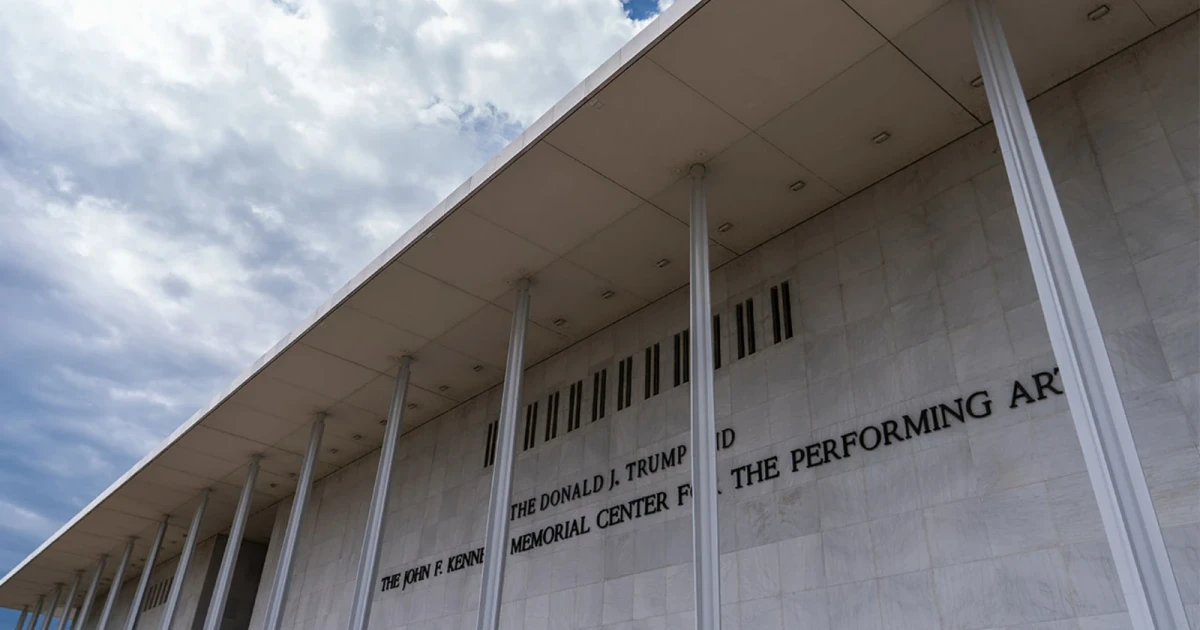
The Kennedy Center is still deciding whether to shut its doors, trim programming or stagger closures, a choice that has become a proxy fight over control of one of Washington’s most visible cultural institutions. U.S. District Judge Christopher Cooper has already blocked the Trump administration from carrying out a closure through 2028 and ordered it to explain how public access and programming would work after July 5, the date the center had set to begin winding down operations.
In a Friday filing, Kennedy Center Executive Director Matt Floca said the board plans to meet in mid-July and choose among three paths: a full closure with no public programs so repairs can proceed, a partial closure with some continued access and limited programming, or coordinated phased closures that would preserve more shows. The Justice Department asked Cooper for more time to respond, saying the center is still deciding how to proceed and still intends to carry out capital repairs on the building.
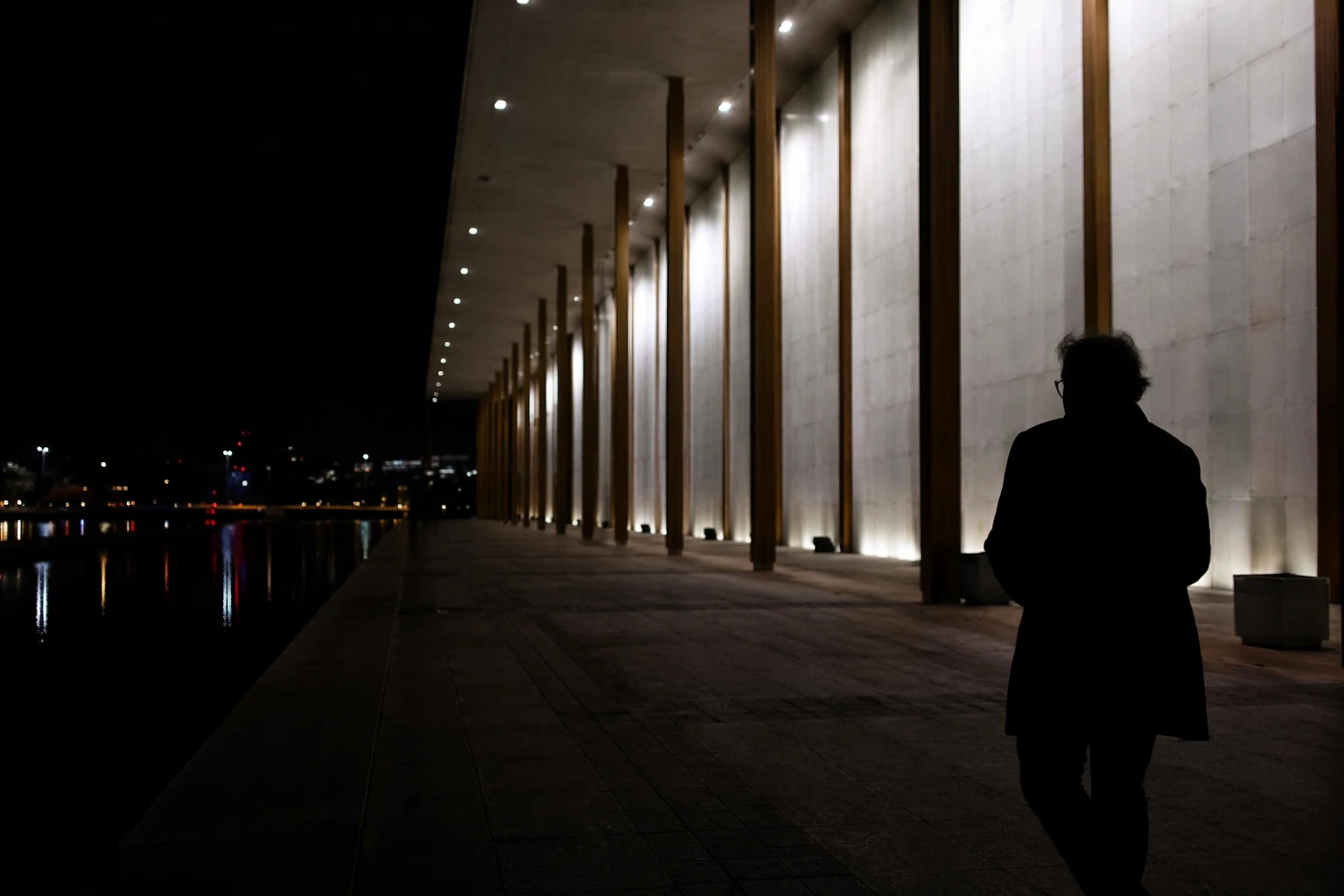
The court fight has moved beyond scheduling into a dispute over whether the center can be hollowed out before the renovation plan is even settled. Cooper’s May 29 ruling also ordered the removal of Donald Trump’s name from the Kennedy Center, after concluding that Congress, not the board, controls the institution’s statutory name and mission as a living memorial to John F. Kennedy. The board had voted on March 16 to close the institution for two years for renovations, but Cooper found the move rested on an insufficient and one-sided presentation.
Beatty’s lawyers accused the government of “implementing their shutdown decision by inertia” and trying to turn the Kennedy Center into a “lifeless husk.” They said officials have already gutted programming and are now failing to take “obvious steps” to restore it. One example was Shear Madness, the interactive play that ended its Washington run on June 7 after 39 years, even though the center, they argued, could have tried to keep it in place longer.
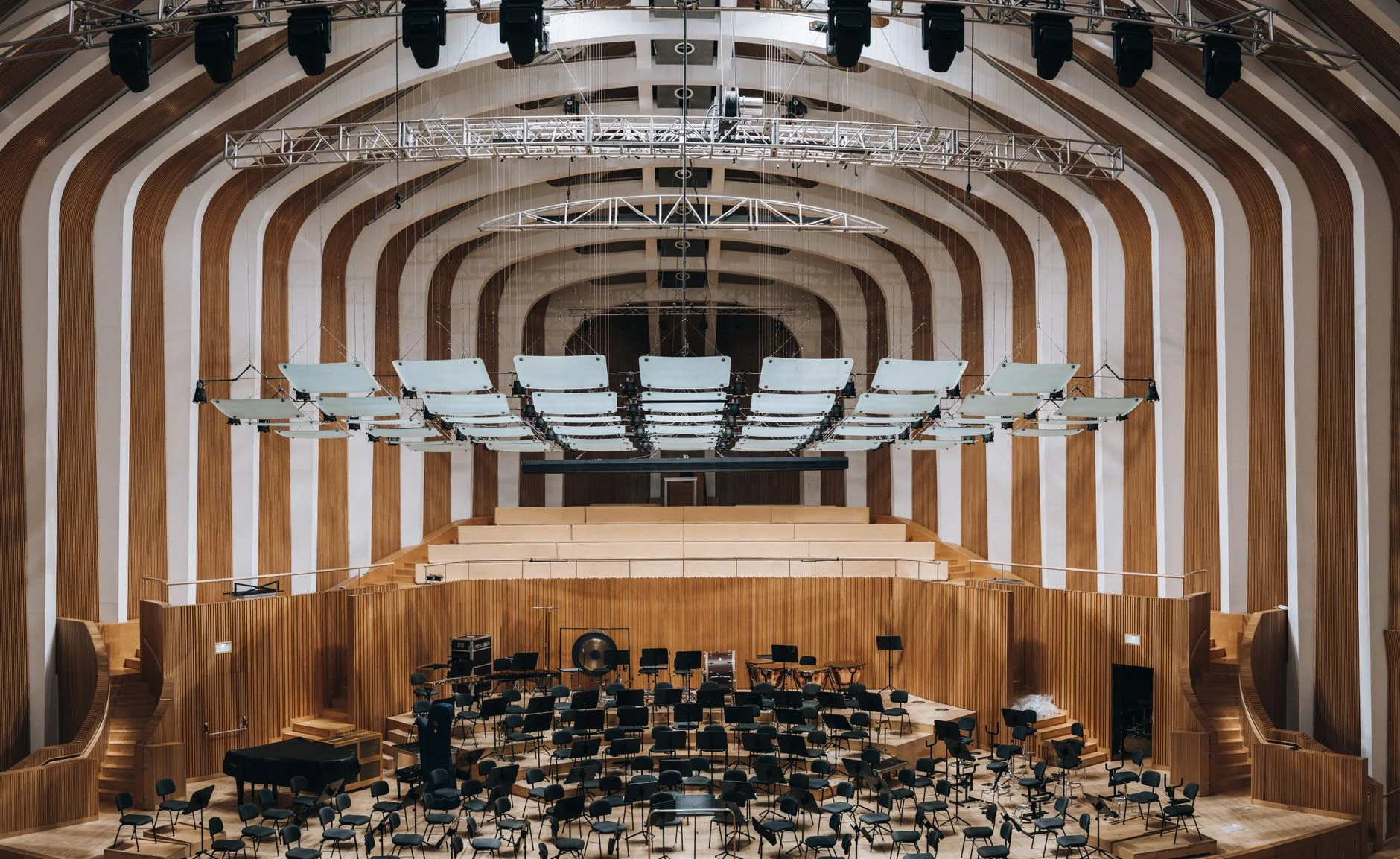
That programming loss is why the question of a “partial closure” matters. A reduced schedule would not just change a few dates on the calendar. It would reshape who can be seen, when the building is open, and how much of Washington’s cultural economy keeps moving while repairs and legal disputes continue. For artists, audiences and the institutions that depend on the Kennedy Center’s draw, a prolonged contraction would signal not only construction delays but institutional instability at the heart of the nation’s capital.
Sources
- [1]cbsnews.com
- [2]politico.com
- [3]courthousenews.com
- [4]publicnow.com
- [5]shearmadness.com