Health
Kennedy keeps cruise passenger in quarantine despite CDC advice
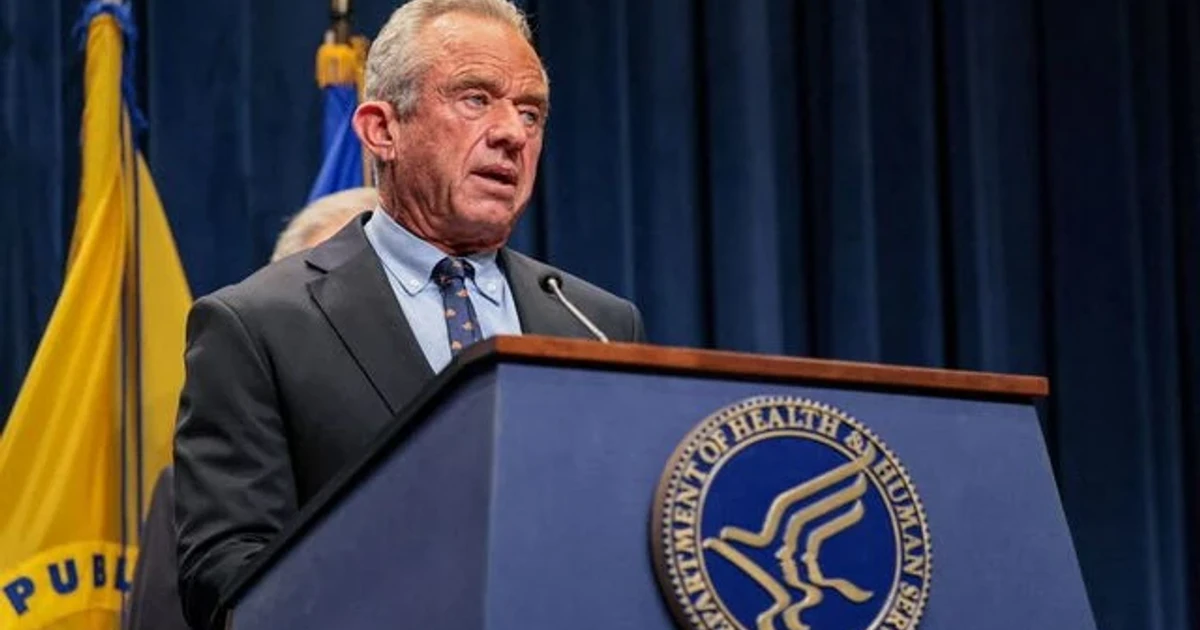
Robert F. Kennedy Jr. kept Angela Perryman in a federal quarantine facility in Nebraska even after Centers for Disease Control and Prevention doctors said she could finish her isolation at home. Perryman, exposed to Andes hantavirus on a cruise ship, had remained symptom-free for five weeks after leaving the vessel, yet she was still being monitored at the National Quarantine Center at the University of Nebraska Medical Center.
The case grew out of a deadly cruise-ship outbreak that first reached the World Health Organization on May 2, 2026, and was confirmed as Andes virus on May 6. By May 8, the WHO had reported eight cases, including three deaths, aboard the ship, which had departed Ushuaia, Argentina, on April 1 with 147 people from 23 countries. The U.S. government repatriated Americans to Omaha, Nebraska, for specialized monitoring, while CDC said the public-health risk to the United States remained extremely low.
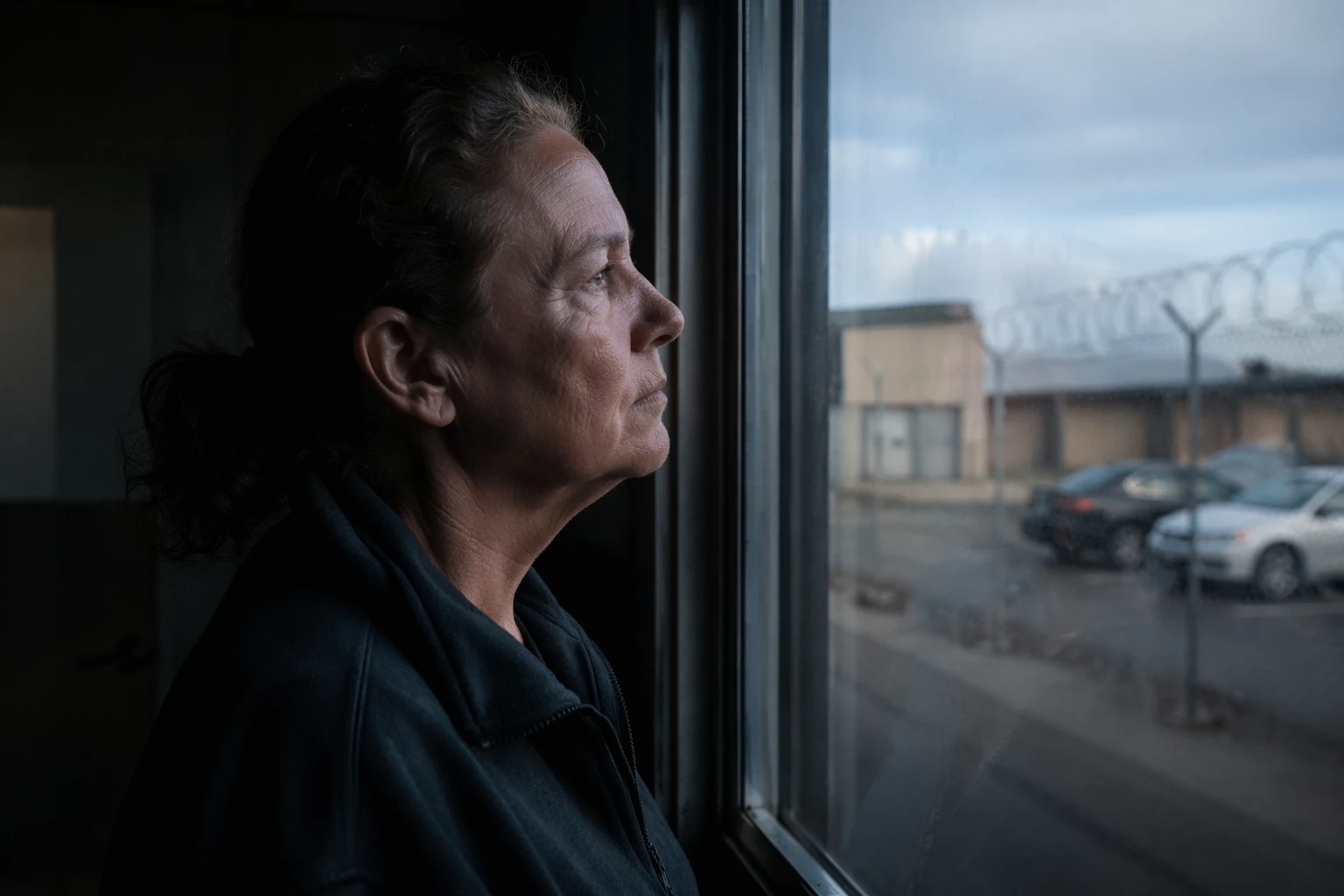
Andes hantavirus is not an ordinary exposure case. CDC says it is the only hantavirus known to spread person to person, and symptoms can appear anywhere from four to 42 days after exposure. That made federal monitoring medically defensible, but Kennedy’s decision to keep Perryman confined despite the CDC’s recommendation sharpened the dispute into a clash over who gets the final word when science and political judgment diverge.
The legal basis is broad. CDC says the Department of Health and Human Services draws quarantine authority from Section 361 of the Public Health Service Act, a power meant to prevent the spread of communicable disease across borders and between states. That authority is rarely used in a forced way against an American who wants to leave federal custody, which is why Perryman’s case stands out as a modern test of how far the government can go.

Perryman is one of 18 repatriated passengers from the cruise, and 10 remained at the Nebraska facility as the current monitoring period was set to expire on June 21, 2026. She was the only one challenging the order. Lawrence Gostin called keeping her in Nebraska an “egregious violation” of her rights, while HHS spokeswoman Courtney Spencer defended the decision as necessary because Florida did not agree to the home-monitoring conditions federal officials wanted.
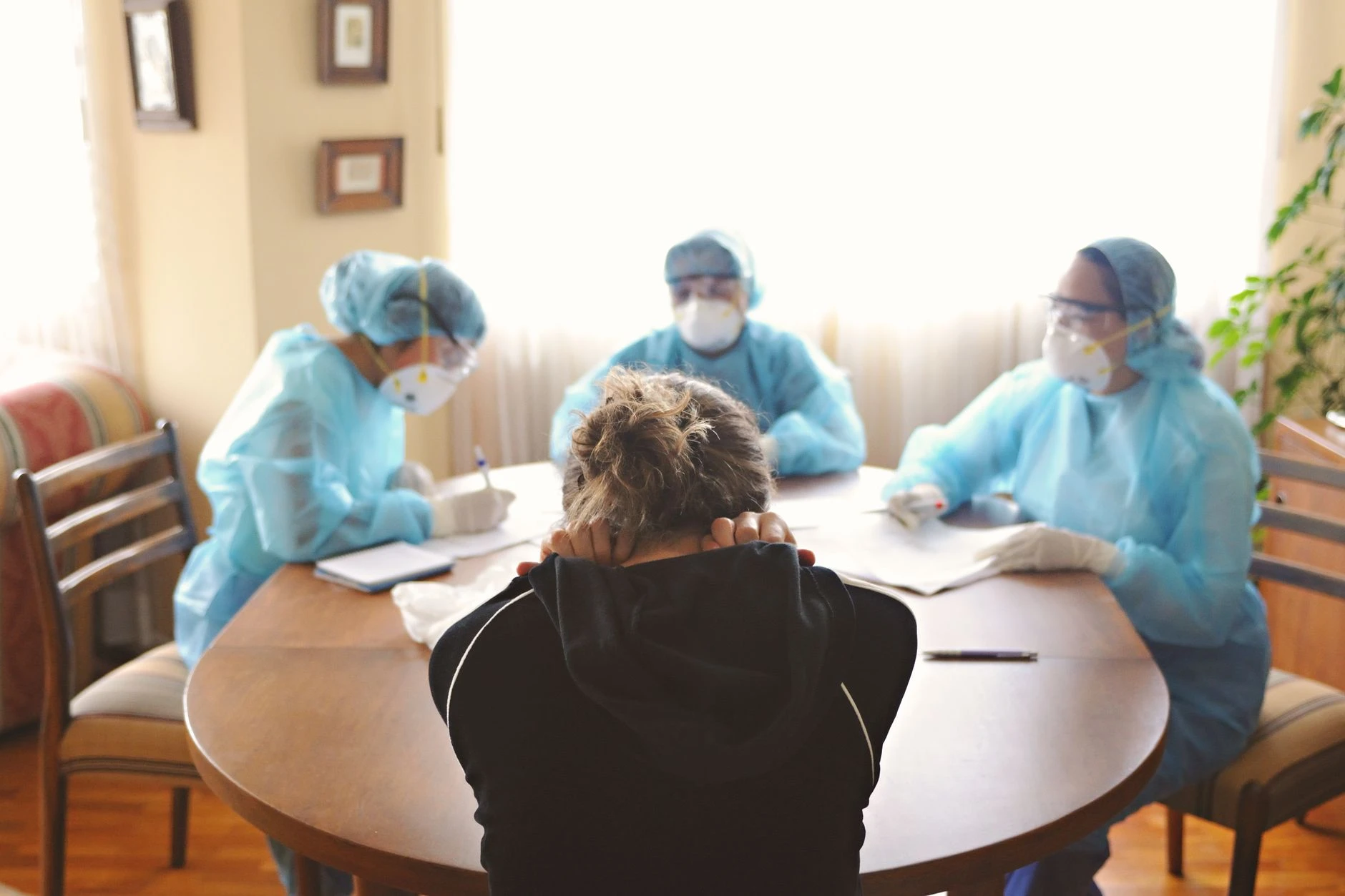
HHS also said Kennedy specifically considered the CDC recommendation before deciding to continue quarantine. Perryman’s signed federal order allows rescission only if she can show new or changed facts or medical evidence, leaving the fight centered on the reach of federal public-health power and the rights of people held under it.
Sources
- [1]usnews.com
- [2]cdc.gov
- [3]newsweek.com
- [4]hhs.gov