Business
Kenneth Leech pleads guilty to obstructing SEC probe into trade scheme
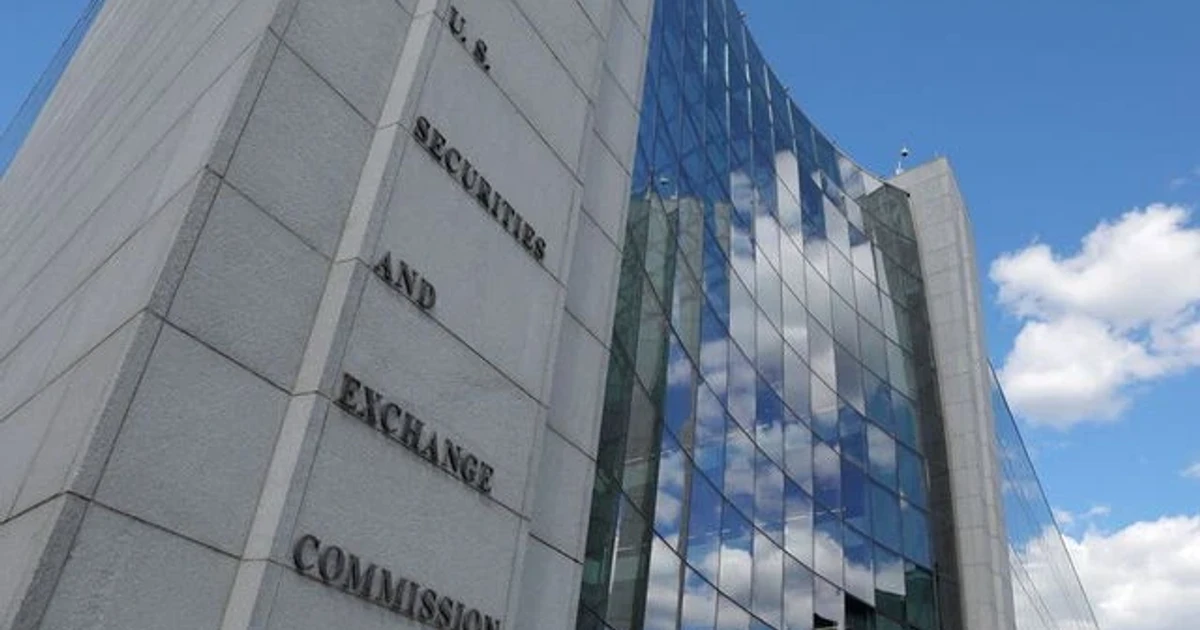
When a bond manager can wait to see how prices move before deciding which clients get a trade, the result is not just bad optics. It is a direct hit to trust in markets, and Kenneth Leech admitted enough of the case on Friday to avoid a Monday trial in Manhattan federal court.
Leech, 72, pleaded guilty to one count of obstructing an SEC proceeding, a narrower charge than the fraud counts prosecutors had originally brought against him. The plea erased the immediate risk of a trial over allegations that he helped run a multi-year cherry-picking scheme while he was a former co-chief investment officer at Western Asset Management Co., known as WAMCO. Cherry-picking, in plain English, means giving the winning trades to preferred accounts and leaving the losing trades for others.

The Securities and Exchange Commission and the Justice Department said the conduct ran from January 2021 through October 2023 and involved more than $600 million in net first-day gains allocated to favored portfolios and a similar amount of losses shifted to disfavored ones. Regulators said Leech waited until later in the trading day to assign trades, giving him time to see how prices had moved before deciding where those positions would land. Prosecutors also said he lied in sworn SEC testimony in March 2024 when asked about his trading allocation strategy.
The obstruction plea matters because it reaches the cover-up as well as the underlying conduct. Even when the alleged trading sits deep inside an elite fixed-income shop, the damage spreads outward: it can distort client returns, reward some investors at the expense of others, and call into question whether managers are meeting basic fiduciary duties. The criminal case had initially included securities fraud, investment adviser fraud, commodity trading adviser fraud, commodities fraud and false statements counts, but those fraud allegations were dropped in favor of the obstruction plea.
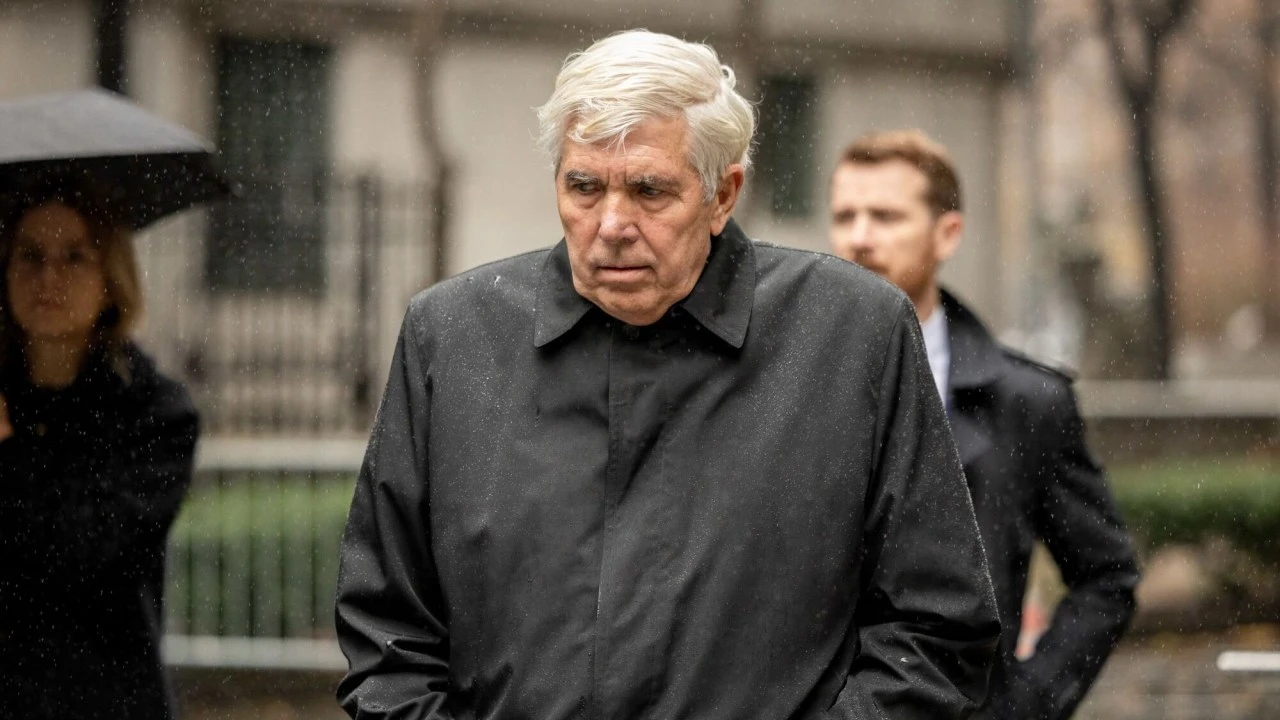
Western Asset itself has already paid a steep price. On June 5, 2026, the SEC charged WAMCO and the firm agreed to a $100 million civil penalty without admitting or denying the agency’s findings. The SEC said Western Asset failed to reasonably supervise Leech and failed to take reasonable steps to detect and prevent the misconduct, even though it knew his trading and allocation practices differed from those of other portfolio managers.

The business fallout reached further. Western Asset shuttered its Macro Opportunities strategy in August 2024 after Leech took a leave of absence, and that strategy had about $2 billion in assets under management when it was closed. Franklin Resources, which owns Western Asset and Franklin Templeton, reported preliminary assets under management of $1.68 trillion at March 31, 2026. For a firm that large, the case is a reminder that even one portfolio executive’s allocation decisions can leave a lasting mark on reputation, compliance costs and investor confidence.
Sources
- [1]usnews.com
- [2]sec.gov
- [3]justice.gov
- [4]investors.franklinresources.com
- [5]businesswire.com