World
Kenya Airways New York flight returns to Nairobi after spoiler fault
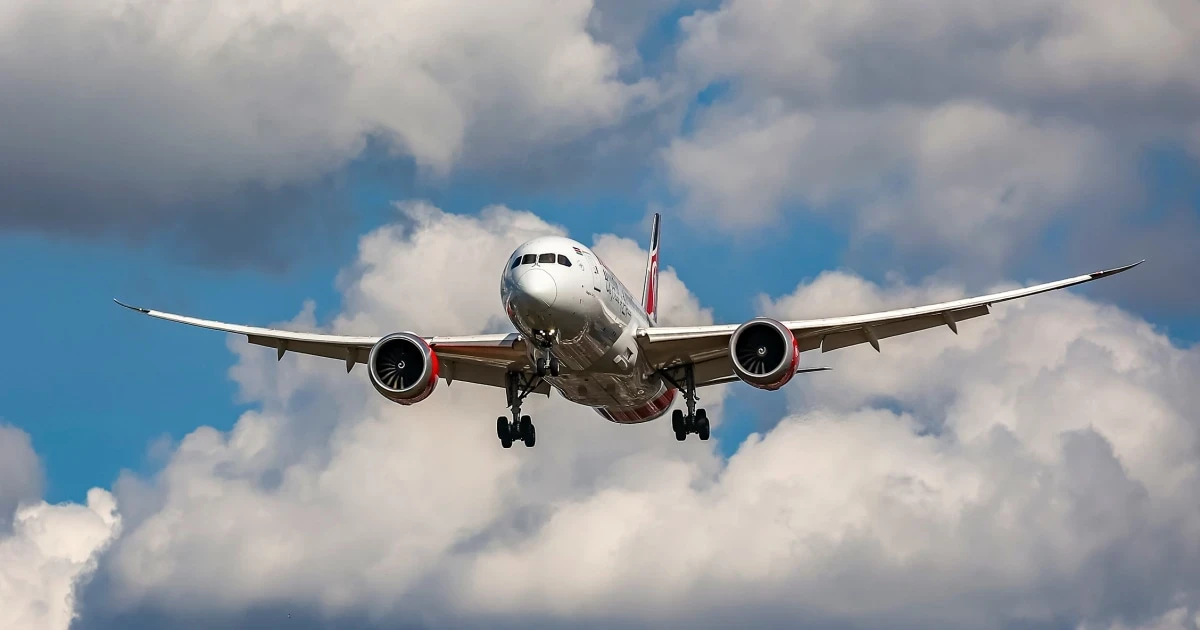
Kenya Airways sent its New York-bound Boeing 787-8 Dreamliner back to Nairobi after a flight control spoiler malfunction over Chad, with the crew treating the problem as a safety precaution. The airline identified the flight as KQ 002D, operating on July 5, 2026, at about 19:50 hours, and said the aircraft returned to Jomo Kenyatta International Airport with no other issues reported.
A spoiler is part of an aircraft’s control system and helps manage lift and roll. When a control surface does not behave as expected, crews do not press on with a long-haul crossing and hope for the best. A return to base is often the safest call because it gives pilots and engineers the nearest support, the full maintenance record, and the right tools to check whether the fault is confined to one component or points to a wider system problem.
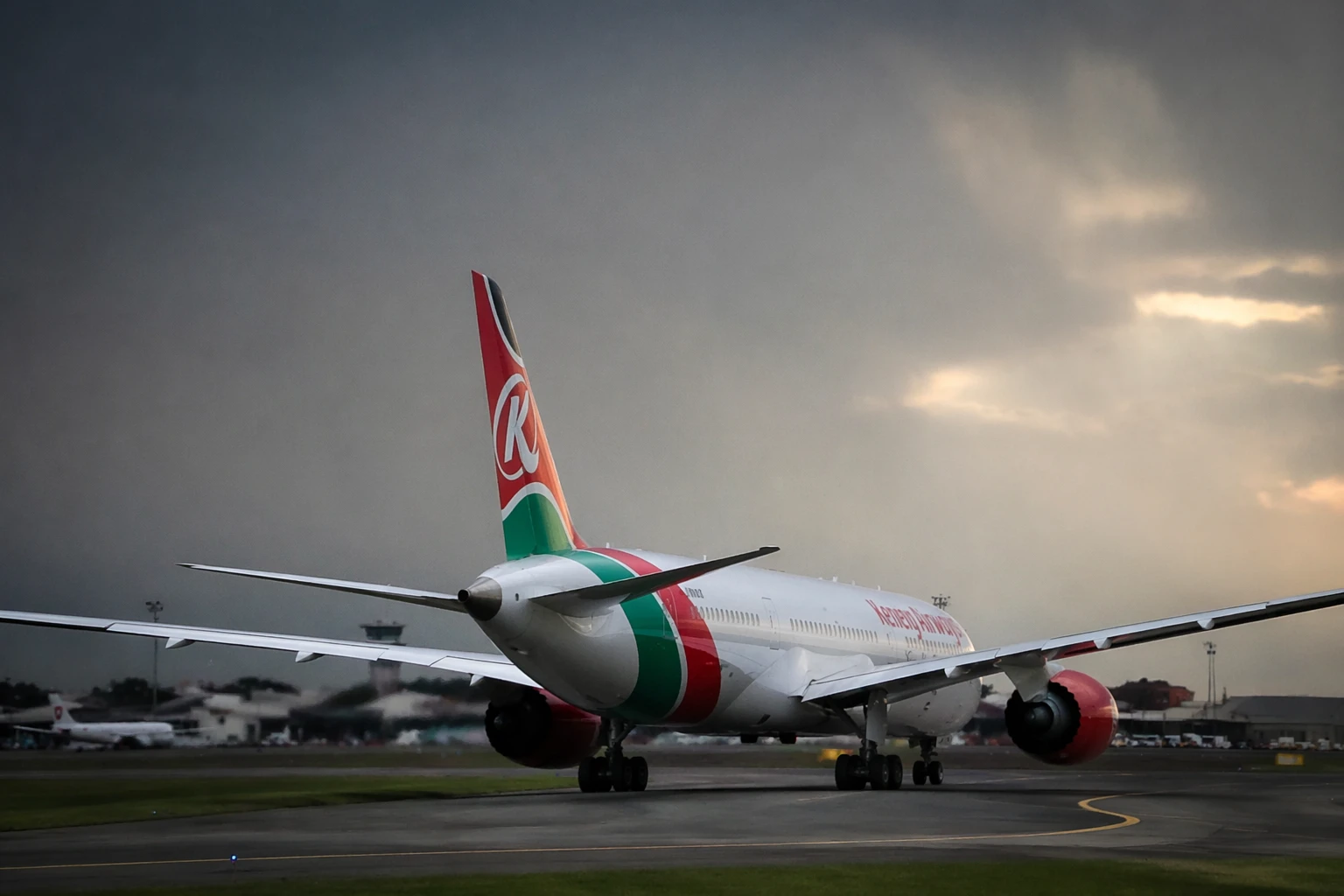
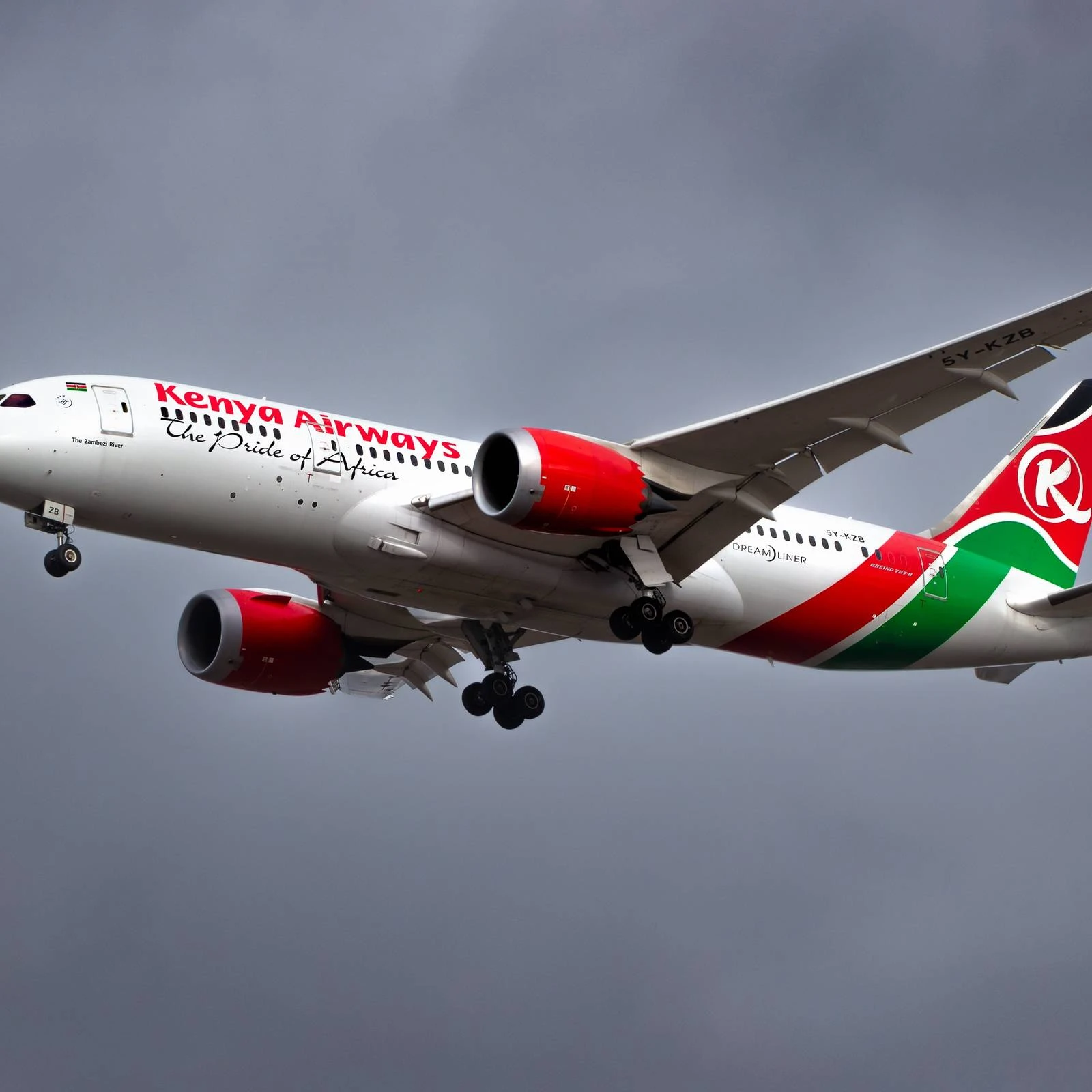
The aircraft involved was a Boeing 787-8 registered 5Y-KZH, a long-haul jet built for intercontinental service between Nairobi and John F. Kennedy International Airport in New York. Flight-tracking data later showed the July 5 service as canceled, while the next scheduled Nairobi-to-New York departure on July 6 was listed as operating normally. That pattern fits the standard aviation response to a technical defect: remove the jet from service, inspect it thoroughly, and restore it only after engineers are satisfied the issue has been isolated and corrected.
What happens next is a methodical engineering review. Maintenance teams typically examine the spoiler system itself, along with its actuators, hydraulic or electrical connections, cockpit warnings, and flight-control data to determine why the malfunction appeared in flight. That process is designed to verify whether the aircraft can safely return to service or needs additional repairs before it carries passengers again.
The disruption hit one of Kenya Airways’ key long-haul routes, but it did not spread beyond a single flight. The carrier says it is a SkyTeam member and flies to more than 40 destinations worldwide, and it has emphasized disruption recovery as a precision-based operational process. In this case, the system did what it is built to do: stop, check, and reset before the aircraft flew on.