World
Kenya and Tanzania deploy heavy police to block planned protests
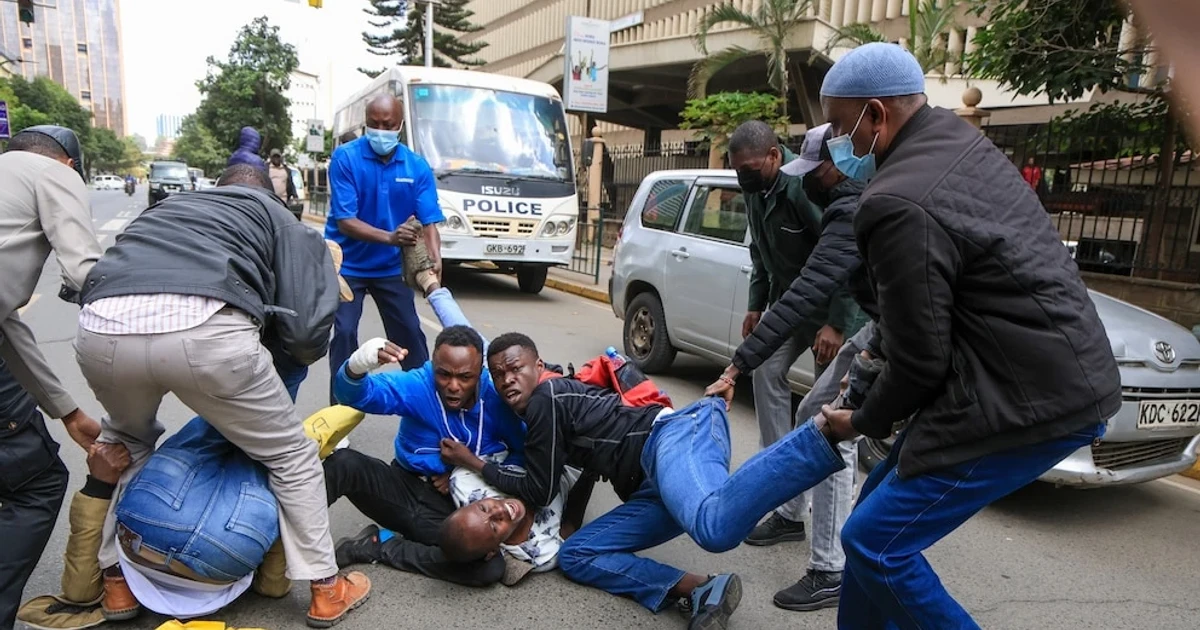
Heavy police deployments in Nairobi and Dar es Salaam smothered planned protests on July 7, as Kenya and Tanzania moved to block anti-government rallies before they could gather momentum. In Nairobi, officers barricaded Parliament Road with barbed wire, set checkpoints on Jogoo Road, Mombasa Road and Thika Road, and arrested at least seven people. Businesses shut early and public transport thinned out across the city.
The operation fell on Saba Saba, Kenya’s day of democratic remembrance, which marks the July 7, 1990 rally that helped pressure Daniel arap Moi’s one-party state. Amnesty Kenya says police killed 20 people, arrested 1,056 and charged them in the crackdown that followed that movement, giving this year’s security sweep a sharp historical edge. The timing also came only two weeks after another crackdown around the June 25 anniversary demonstrations, reinforcing the sense that the government is treating mass mobilization as a threat to be stopped before it starts.
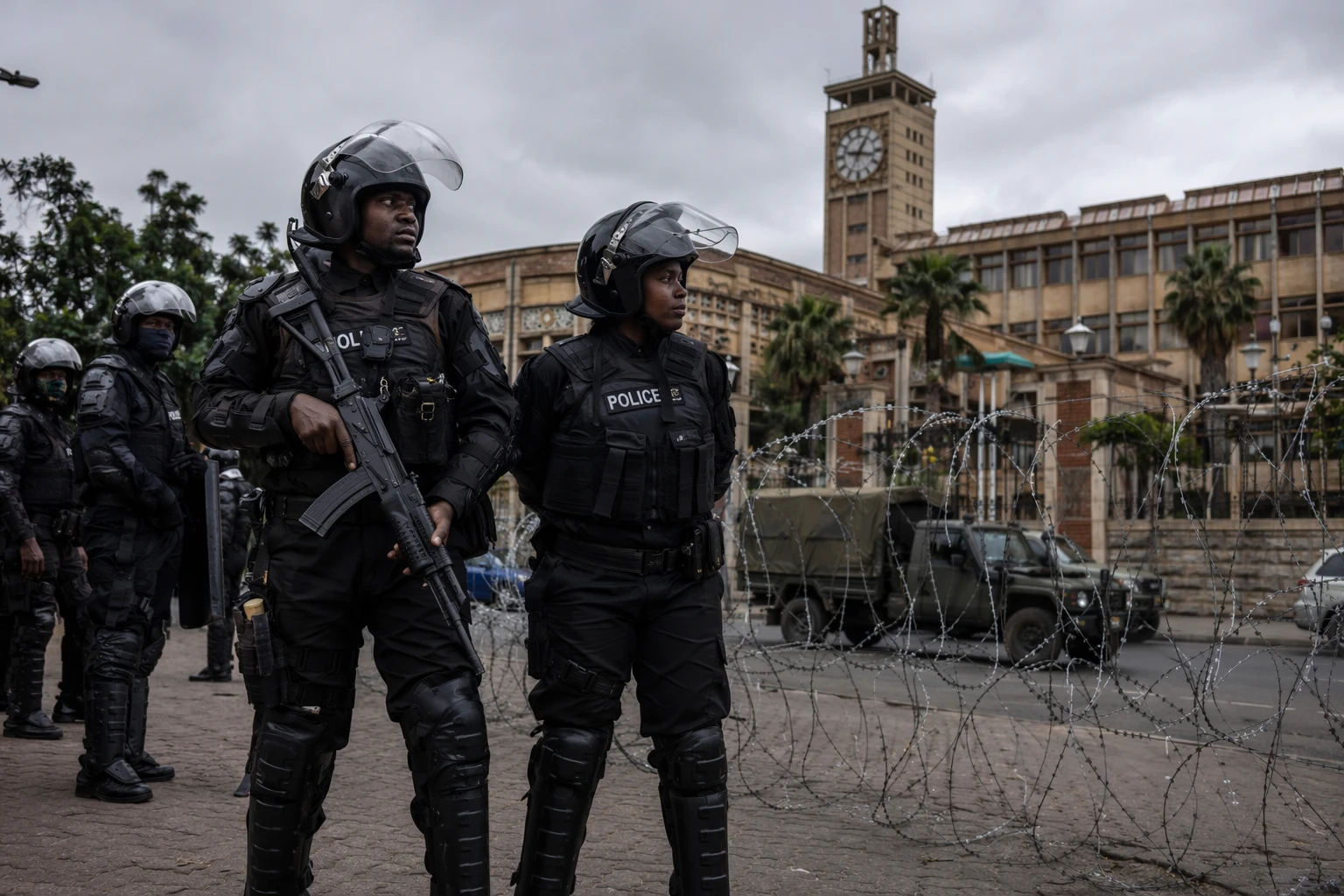
In Tanzania, police and military personnel filled Dar es Salaam, where no protesters were seen and an annual trade fair continued under heavy protection. The planned demonstrations were meant to press for democratic reforms and the release of Tundu Lissu, the Chadema chairman who remains on treason charges. Home Affairs Minister Patrobas Katambi told journalists that Tanzania was not a country where people could “dictate protest dates” and said the government was prepared to defend itself against threats to public order.
That security posture reflects a broader climate of repression after Tanzania’s October 29, 2025 election. A government commission later said at least 518 people died in election-related violence, with thousands injured and more than 800 suffering gunshot wounds. Amnesty International said security forces used unnecessary or disproportionate force, including live ammunition and teargas, against protesters who posed no imminent threat.

July 7 carries political weight in both countries because it links protest memory to present-day dissent. In Kenya, Saba Saba remains tied to the push against authoritarian rule. In Tanzania, the ruling Chama Cha Mapinduzi traces its lineage to the 1977 merger of TANU and the Afro-Shirazi Party, making the date another symbol in a region where governments are increasingly answering dissent with pre-emptive force rather than tolerance.
Sources
- [1]www-cdn.abcnews.com
- [2]wral.com
- [3]thecitizen.co.tz
- [4]amnesty.org
- [5]amnestykenya.org
- [6]ccm.or.tz
- [7]standardmedia.co.ke