World
Kenya halts U.S.-backed Ebola facility after court contempt ruling
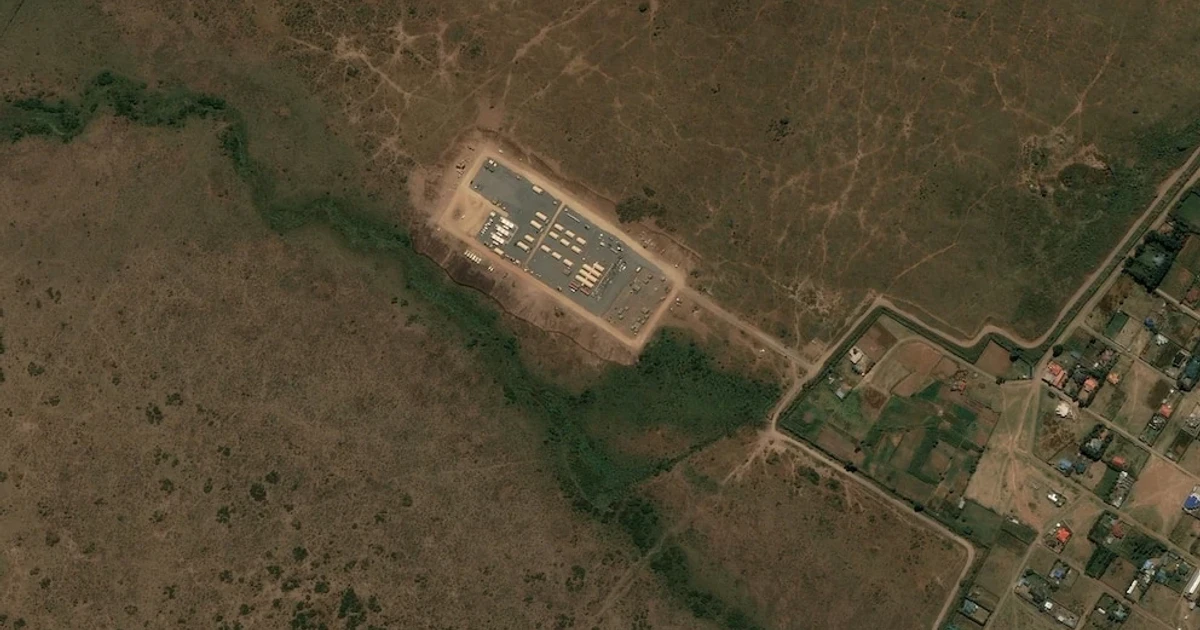
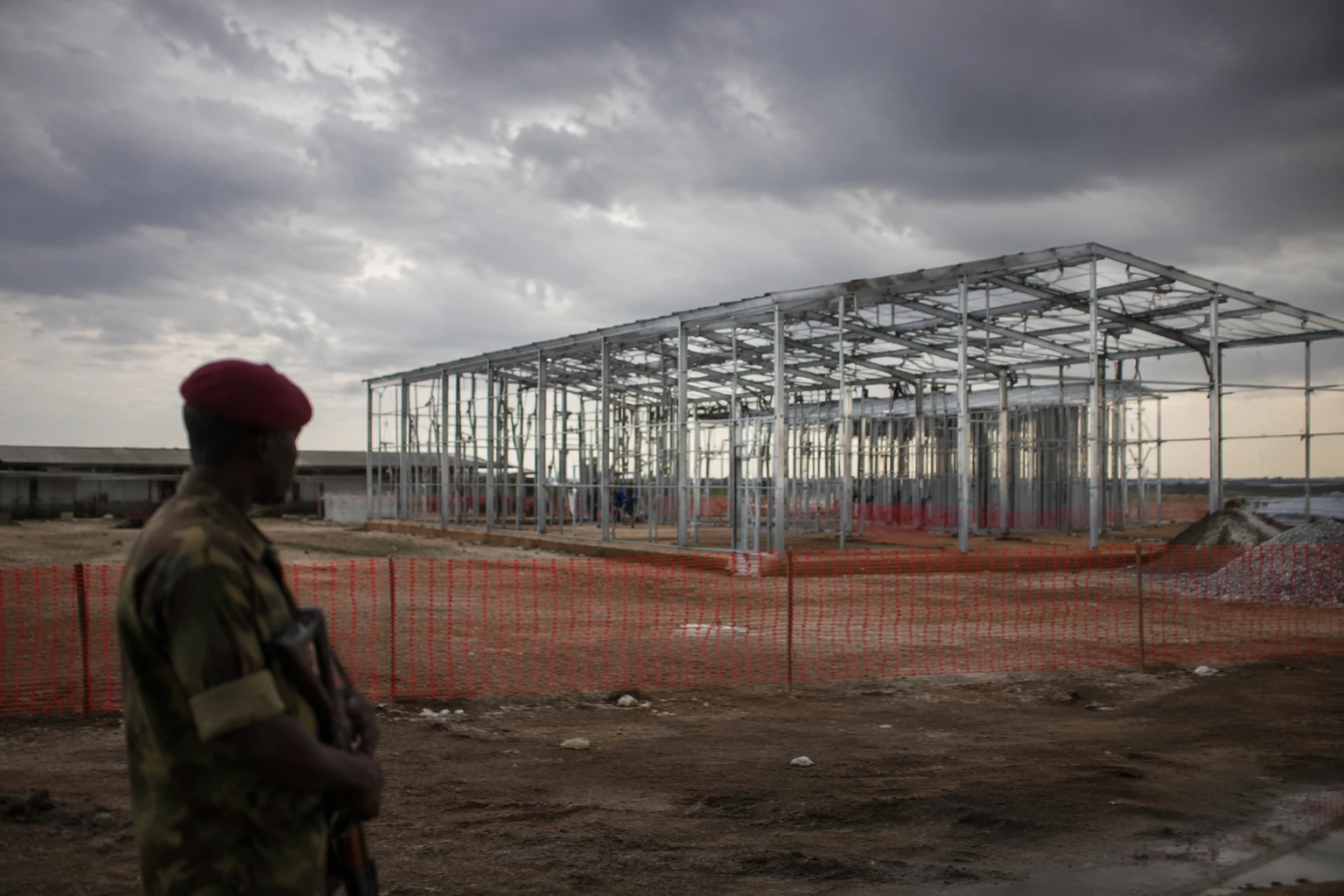
Kenya’s Health Cabinet Secretary, Aden Duale, was forced to halt construction at the U.S.-backed Ebola site at Laikipia Air Base after the High Court found him in contempt for ignoring earlier suspension orders. The ruling turned a public-health project in Nanyuki, Laikipia County, into a direct test of judicial authority, government credibility, and how far Kenya should go to support foreign quarantine planning on its soil.
Duale told the court that the government was immediately suspending all construction and related activities at the site after the June 22 contempt finding and an order that he appear for sentencing. The move followed weeks of escalating backlash over a facility the government had presented as part of Ebola preparedness but which critics said was being pushed without enough public consultation or legal compliance.
The project was planned as a 50-bed quarantine unit for Americans exposed to Ebola, with the option to expand to 250 beds if needed. Its location at a military air base sharpened the political dispute, especially as protests spread in Nanyuki and Nairobi. During demonstrations on June 9, a protester was shot dead by police, underscoring how quickly a health-security plan became a public-order crisis.
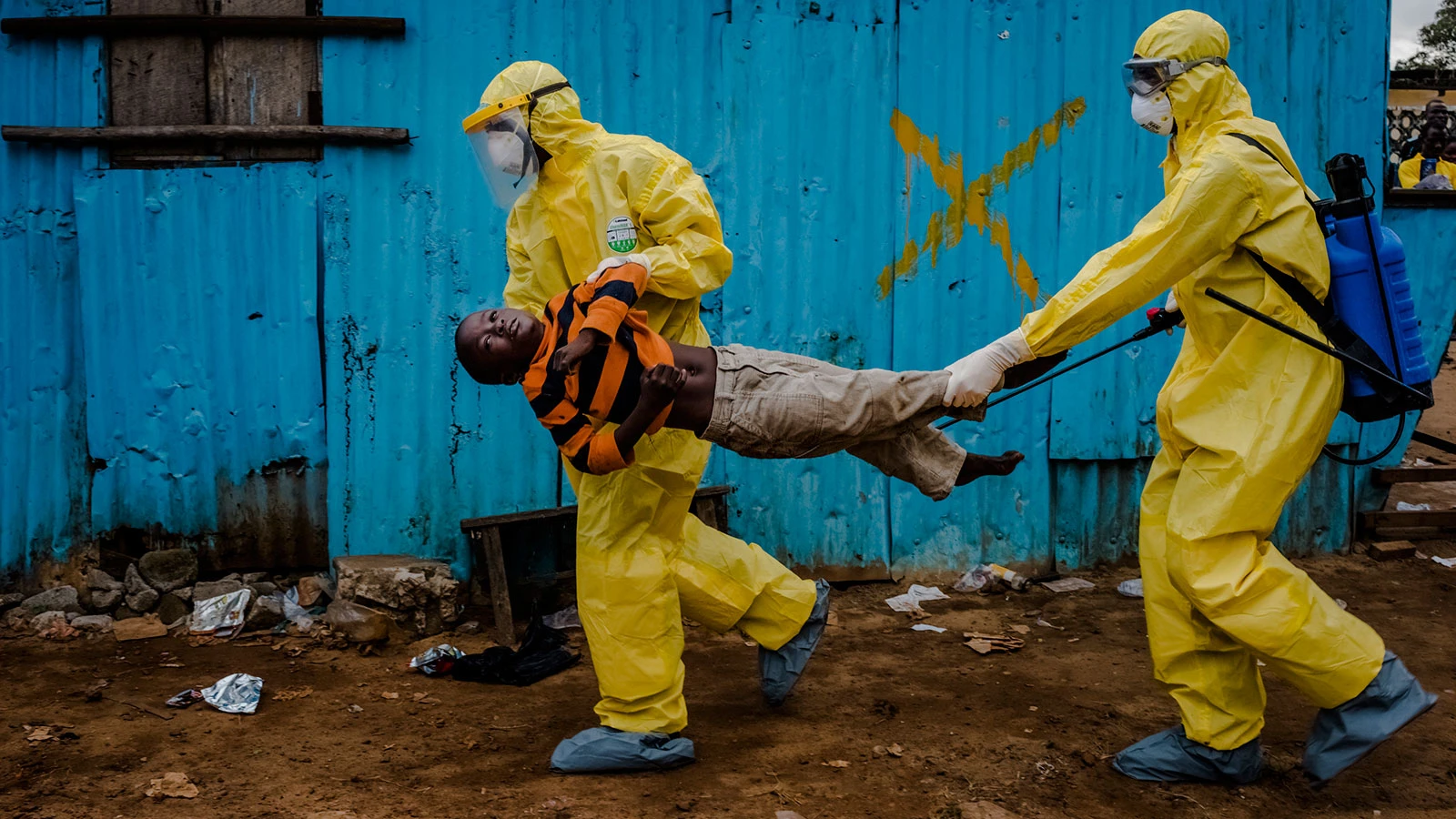
The controversy unfolded against an active Ebola outbreak declared on May 15 in the Democratic Republic of the Congo and Uganda. The outbreak involves Bundibugyo virus, and the World Health Organization says there is no licensed vaccine or specific treatment for it. That reality has pushed governments and health agencies to plan aggressively for isolation, contact tracing, and cross-border response capacity.
Washington has already been deeply involved. On May 28, the U.S. State Department said Secretary of State Marco Rubio and President William Ruto discussed Ebola response coordination, with the United States intending to commit $13.5 million toward Kenya’s preparedness efforts, alongside $112 million in bilateral assistance to the regional response. On June 10, the department added another $20 million, lifting its direct Ebola-response funding to more than $220 million.
The U.S. travel guidance also shows why the Kenya facility mattered. It says that for a high-risk, asymptomatic U.S. citizen, embassy staff may arrange transportation to Kenya for a 21-day quarantine period from the last date of Ebola exposure, with care by expert U.S. clinicians. That arrangement may be useful in an emergency, but the court fight in Kenya has made clear that outbreak readiness cannot be separated from constitutional process, local consent, and public trust.
Sources
- [1]abcnews.com
- [2]state.gov
- [3]who.int
- [4]cdc.gov
- [5]travel.state.gov
- [6]aljazeera.com
- [7]reuters.com