World
Kenya investigates death of 15 elephants in Amboseli National Park
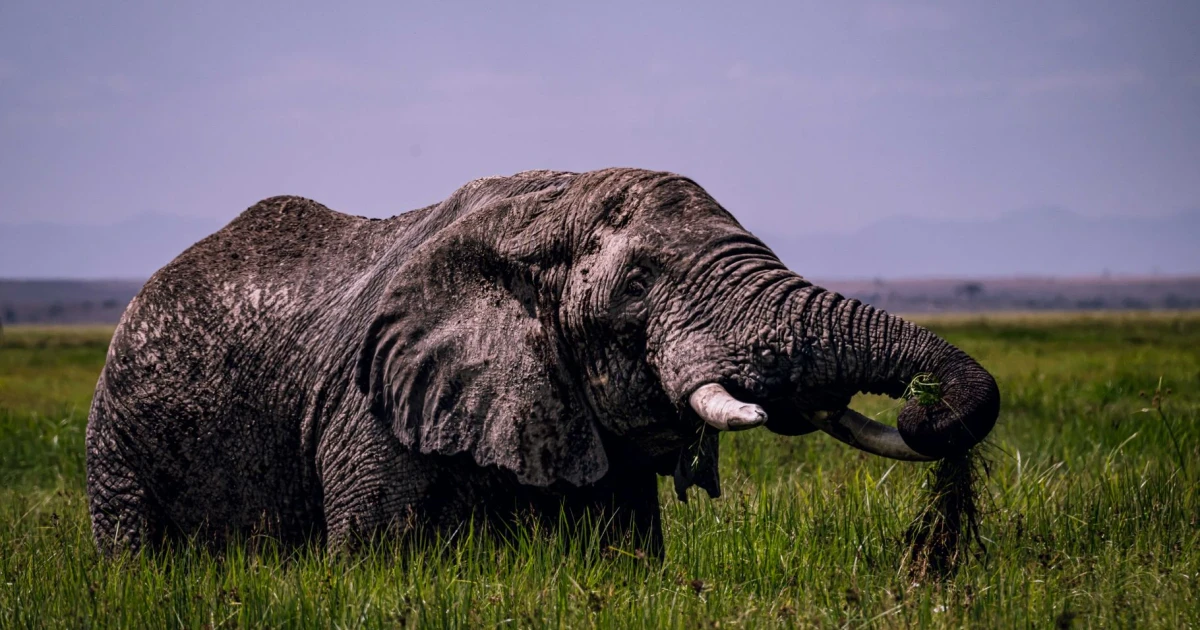
Kenya Wildlife Service opened an environmental investigation after 15 elephants died across the Amboseli ecosystem between June 24 and July 24, with preliminary laboratory findings pointing to a possible toxic substance. The deaths were spread across Amboseli National Park, Kimana Sanctuary and the Kuku Ranch area, a landscape beneath Mount Kilimanjaro where wildlife protection, tourism and community livelihoods are tightly linked.
The pattern of the deaths is what has raised the alarm. KWS said 10 of the elephants showed signs of partial paralysis before dying within two days, while the other five were found dead with their carcasses partially consumed by scavengers. Most of the dead were females and calves, with only one male among them, a detail that makes the losses more serious for herd stability and future reproduction.
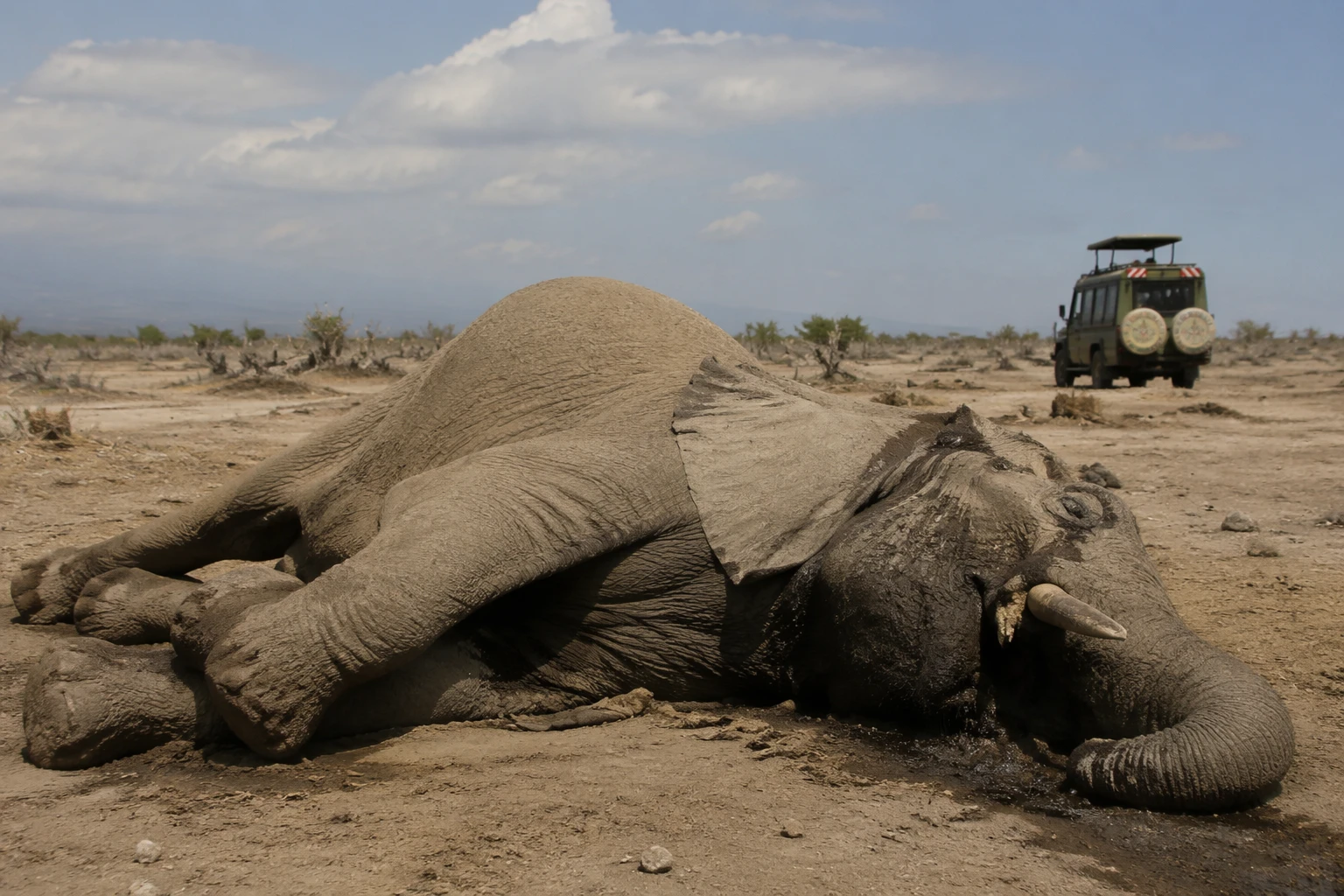
That evidence makes poisoning the most immediate theory to test, but it is not the only one. Disease could still explain a fast-moving cluster of deaths and would send veterinarians searching for pathogens, sampling tissues and watching for wider spread among the remaining herds. Drought would point to a conservation failure of a different kind, one tied to water access, shrinking forage and pressure on fragile habitat across a climate-stressed corridor. Human-wildlife conflict would raise harder questions about chemicals, retaliation or contaminated grazing land at the park edge, and would put greater pressure on landowners, ranch managers and wildlife officers to police shared spaces more closely.
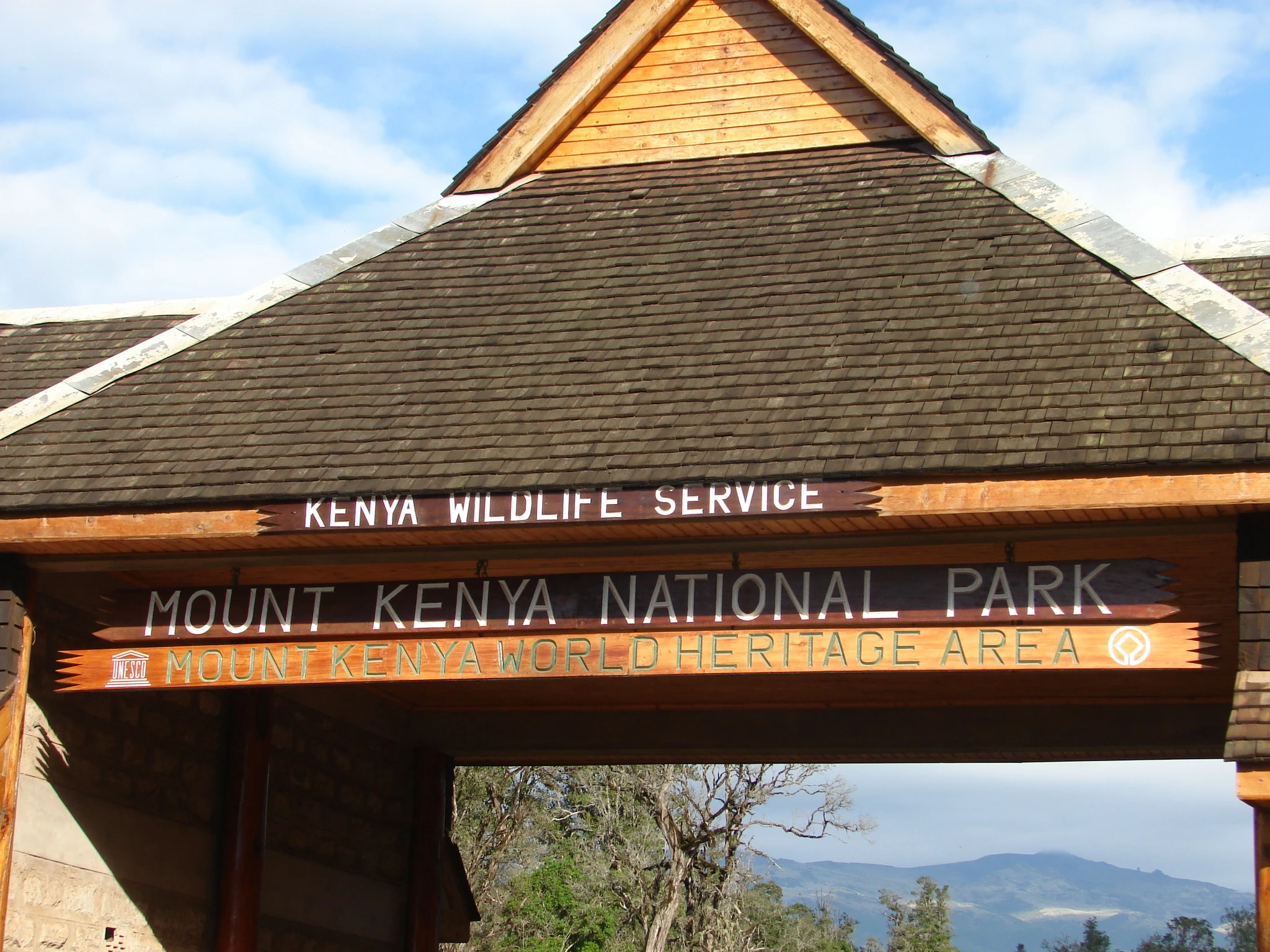
The stakes are not only ecological. Amboseli is one of Kenya’s best-known elephant landscapes, and visitors come for the elephants as much as for the view of Kilimanjaro. A poisoning case would demand stronger enforcement, closer monitoring of water points and faster public warnings to keep other animals, and nearby communities, safe. If disease is to blame, the response would need more veterinary surveillance and movement controls. If drought is the trigger, park managers would have to confront water scarcity and habitat stress beyond the park boundary. If conflict is the cause, compensation, fencing and community engagement would move to the center of the response.
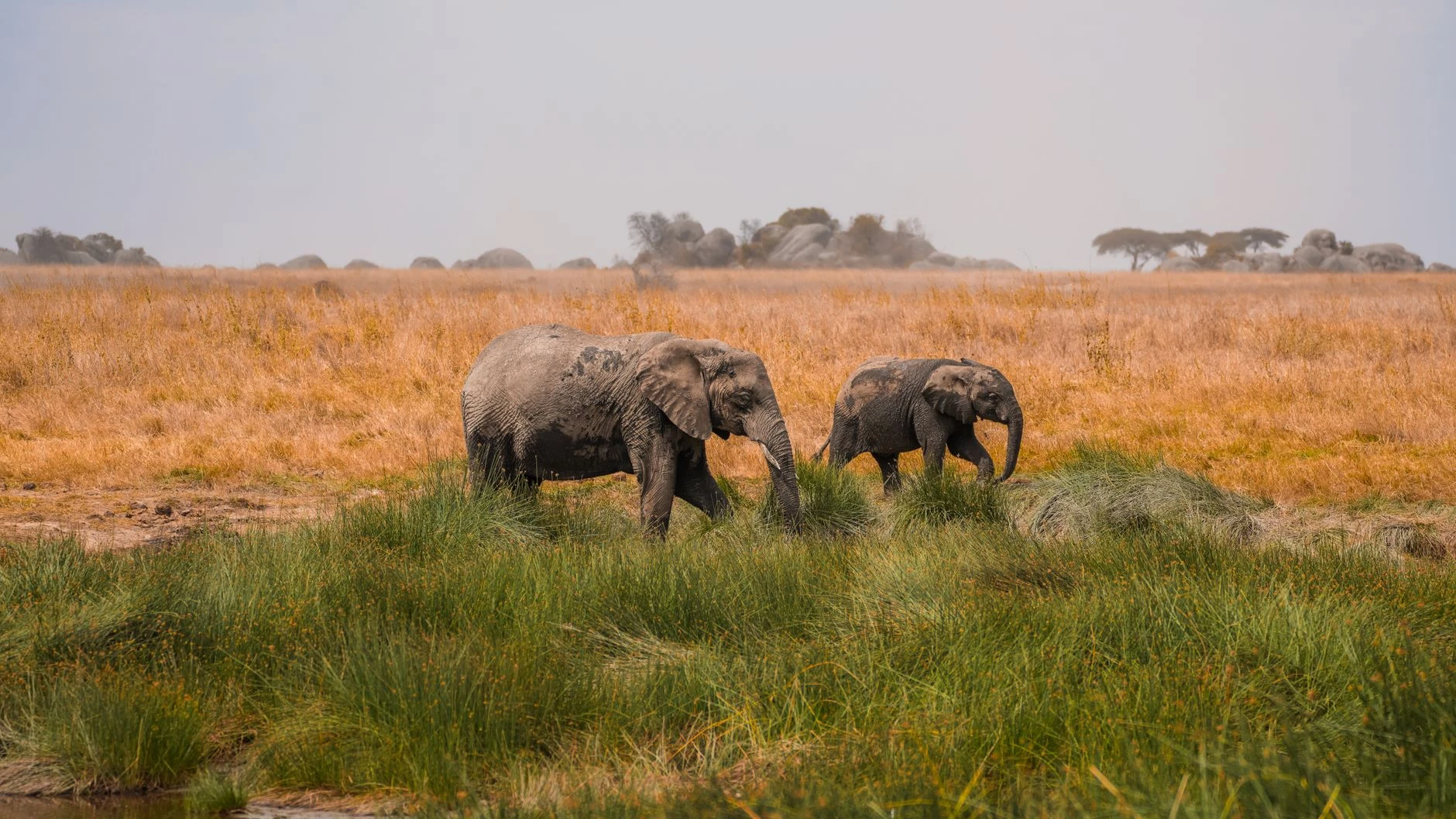
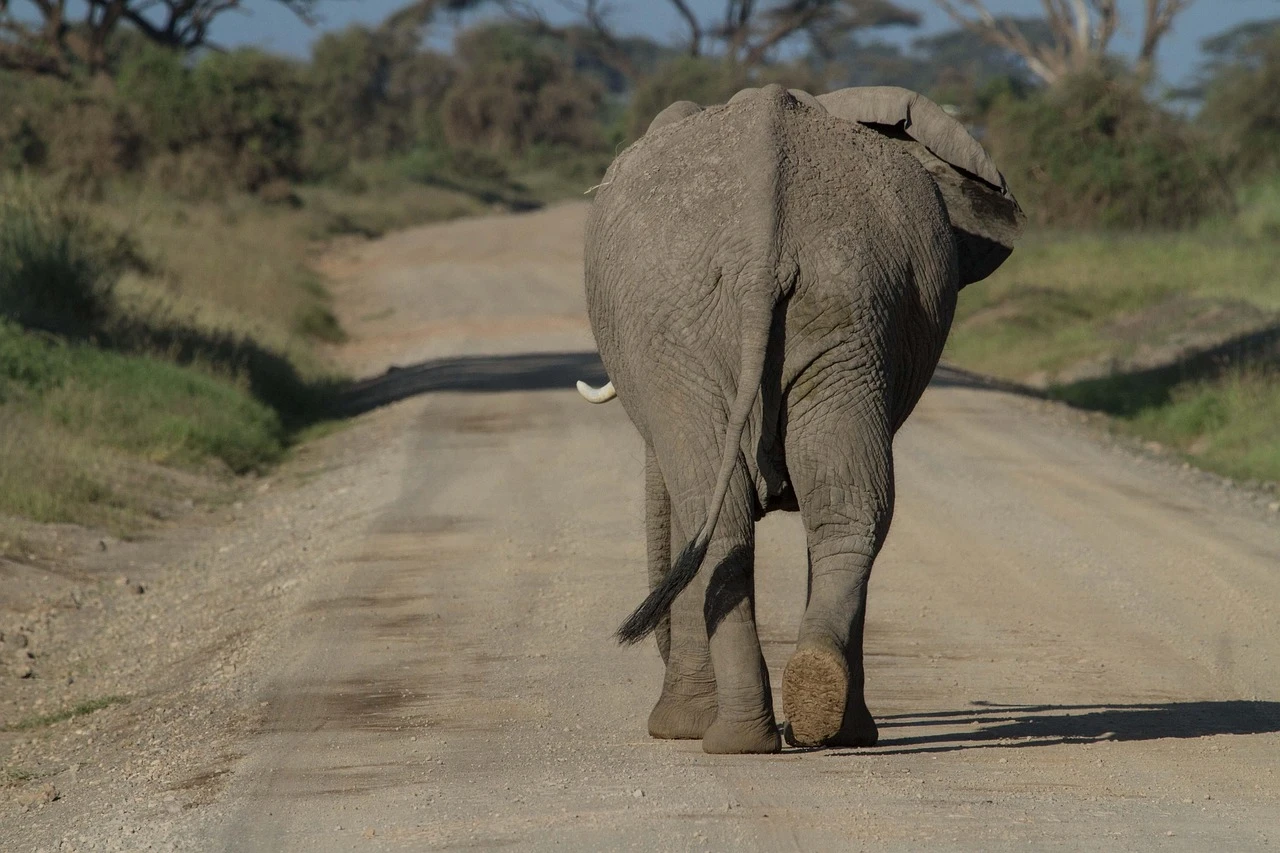
Kajiado leaders have already pressed KWS to speed up the inquiry and release the findings publicly, warning that the incident could threaten one of Kenya’s most iconic elephant populations. The urgency reflects a deeper vulnerability in East Africa’s conservation model: protected areas depend on the health of surrounding lands, and a crisis in one part of the ecosystem can quickly spill into tourism earnings, local grazing systems and the long-term survival of a flagship species.
Sources
- [1]apnews.com
- [2]reuters.com
- [3]cbsnews.com
- [4]xinhuanet.com
- [5]youtube.com
- [6]peopledaily.digital
- [7]elephanttrust.org