US News
Kenyan Court Halts US Ebola Quarantine Plan
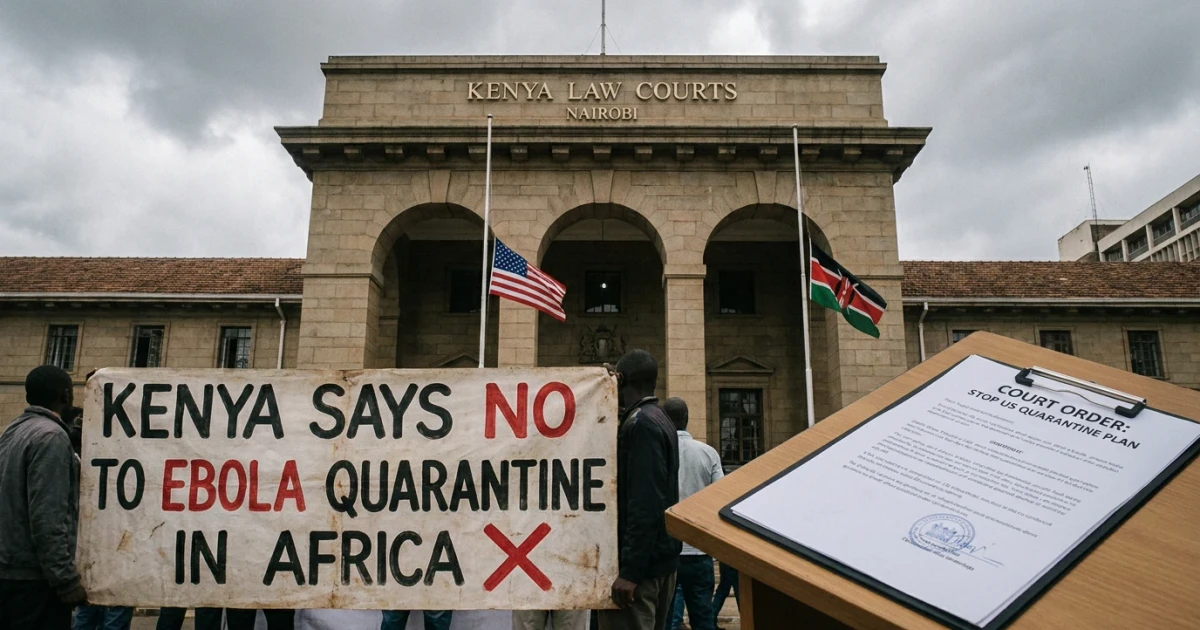
A Kenyan court has blocked a United States plan to establish a quarantine facility for American Ebola patients in Africa, marking a significant development in international response strategies for infectious disease outbreaks. The decision follows widespread protests in Kenya and reflects broader concerns over both public health policy and sovereignty.
Background on the US Quarantine Proposal
The US government had proposed setting up a specialized quarantine camp in Kenya for American citizens who contracted Ebola while in Africa. The initiative was intended to provide immediate medical care without repatriating patients, which officials argued could help contain the spread of Ebola virus disease and ease logistical challenges during outbreaks. According to the CDC Ebola Virus Disease Resources, such measures are considered in regions where medical infrastructure and rapid response capabilities are limited.
Kenyan Court Ruling and Public Reaction
The plan quickly met resistance from local communities, health professionals, and advocacy groups. Kenyan citizens voiced concerns about potential health risks, national sovereignty, and the adequacy of local healthcare facilities to manage a dedicated Ebola camp for foreign patients. Protesters argued that the move could undermine Kenya’s own preparedness plans and burden its resources.
- The Kenyan judiciary responded by issuing an order blocking the establishment of the quarantine facility, citing public health and legal concerns.
- This decision was reported by The Washington Post, which noted that the court’s action came after a period of heightened public protest.
- Legal filings and the court’s rationale can be explored through the Kenya Law Judicial Decisions Database.
Legal and Public Health Implications
Kenya’s move highlights the complex interplay between international health cooperation and national legal frameworks. The country has previously participated in regional efforts to manage Ebola outbreaks, as detailed in UN OCHA Ebola Response in Africa reports. However, the court’s decision underscores the importance of local consent and governance in the handling of infectious disease threats.
Analysts note that while quarantine and containment are critical for controlling Ebola outbreaks, the implementation of foreign-led facilities must respect host country laws and public sentiment. Kenya’s ruling could set a precedent for how similar proposals are approached in other nations.
International Response and Next Steps
Following the court’s decision, US officials are reportedly reassessing their strategy for managing Ebola patients abroad. The ruling may complicate future response efforts and raises questions about the balance between global health security and national autonomy.
Experts recommend that international partners prioritize collaboration with local governments and address community concerns to ensure effective disease containment. Comprehensive epidemiological analysis, such as that found in peer-reviewed research on Ebola, emphasizes the value of integrated approaches that combine medical expertise with legal and ethical considerations.
Key Takeaways
- Kenyan court blocked US plan for Ebola quarantine facility after public protests.
- Decision reflects concerns about sovereignty, health risks, and resource allocation.
- Legal and official records of the ruling are available via Kenya Law Judicial Decisions Database.
- US officials now face new challenges in managing American Ebola patients overseas.
Looking forward, the situation is likely to influence future international health response strategies, particularly regarding the negotiation of quarantine arrangements in host countries. The ongoing debate around the US proposal and Kenya’s legal actions underscores the need for robust, transparent, and mutually respectful policies as countries confront the challenges of global infectious diseases.