US News
Kenyan Court Keeps Block on U.S. Ebola Hospital Plans
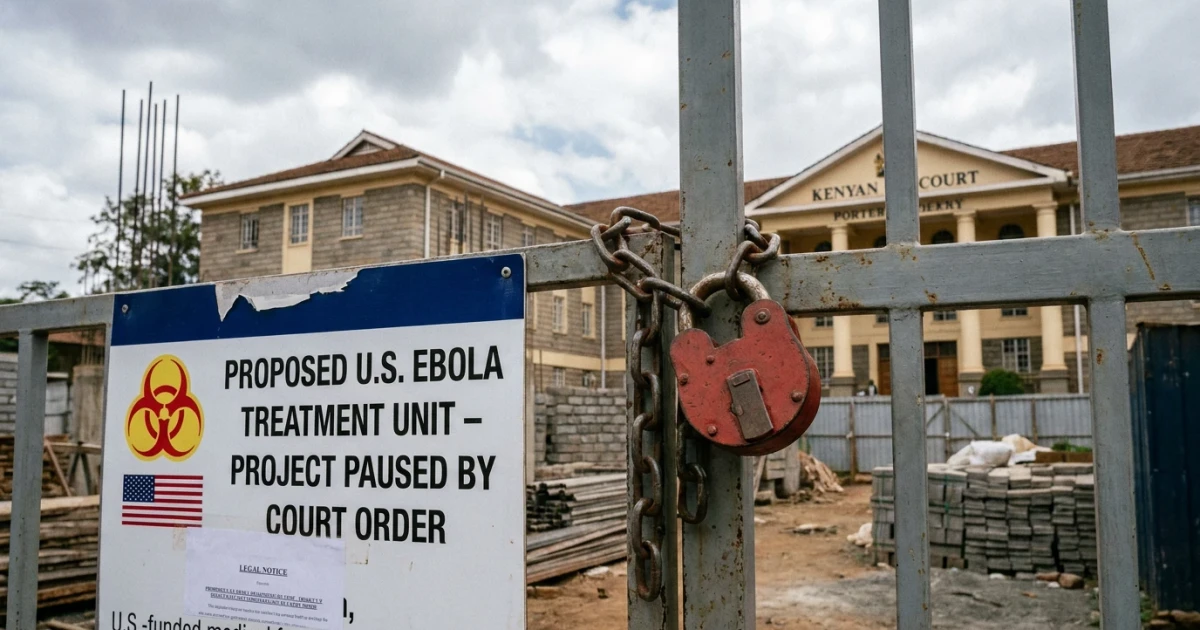
Nairobi, Kenya — A Kenyan court has extended its order blocking the establishment of a U.S.-run hospital intended to treat American Ebola patients, according to reporting from The Washington Post and The New York Times. The decision marks another setback for plans to create a specialized treatment facility in Kenya, reflecting ongoing concerns over the risks and readiness associated with cross-border Ebola response.
Legal Battle Over Hospital Continues
The order, first issued in May, prevents the opening of a hospital designed to treat American citizens potentially exposed to Ebola virus disease. Kenyan authorities and health experts have voiced worries about the possibility of Ebola outbreaks and the adequacy of current containment measures. The court’s extension keeps the facility on hold pending further hearings, underscoring the tension between international health cooperation and national safety priorities.
- The hospital proposal arises amid ongoing Ebola flare-ups in Central and West Africa, with the World Health Organization tracking newly reported cases and persistent risks of cross-border spread.
- Kenya has maintained strict Ebola preparedness protocols, including border screenings and rapid response teams, but officials remain wary of facilities that might import high-risk patients.
Concerns Over National Health Security
Kenyan officials and public health advocates have argued that the U.S. facility could undermine local containment efforts. The country’s Ebola Preparedness Dashboard shows ongoing investments in health facility readiness and border monitoring. There is apprehension that hosting Ebola-positive patients—even in a controlled hospital setting—could strain local health systems and expose the public to unnecessary risks.
The legal dispute has also raised questions about international coordination and the role of foreign health missions in domestic settings. Kenyan courts are now tasked with balancing humanitarian obligations, public health best practices, and the anxieties of local communities.
Regional and Global Context
Efforts to treat and contain Ebola have historically required international cooperation. According to the latest research on Ebola prevention and control, rapid access to specialized care can reduce mortality and prevent further transmission. However, as highlighted by the current legal standoff, host countries may be reluctant to accept facilities perceived as increasing their own risk.
- The U.S. hospital plan targets American citizens, but its location in Kenya reflects the need for regional treatment capacity near outbreak zones.
- Previous Ebola outbreaks in Africa have demonstrated the importance of local buy-in and transparent communication with host communities.
Next Steps and Ongoing Uncertainty
With the court’s order extended, the future of the U.S. hospital remains unclear. The Kenyan Judiciary’s official case search portal allows the public to track filings and rulings as the legal process unfolds. Stakeholders from both countries are expected to present further arguments regarding the hospital’s safety protocols and alignment with national health strategies.
As debates continue, Kenya’s preparedness efforts and cross-border health policies remain under scrutiny. The outcome of the case could set a precedent for how countries manage the intersection of global health emergencies and national sovereignty, especially as the region remains on alert for new Ebola cases.
For more on Kenya’s Ebola preparedness, readers can review the UNHCR’s background brief on border screening and refugee camp measures, as well as the latest CDC outbreak chronology for historical perspective.