World
Kenya’s Kikuyu debate rising trend of sons taking mothers’ names
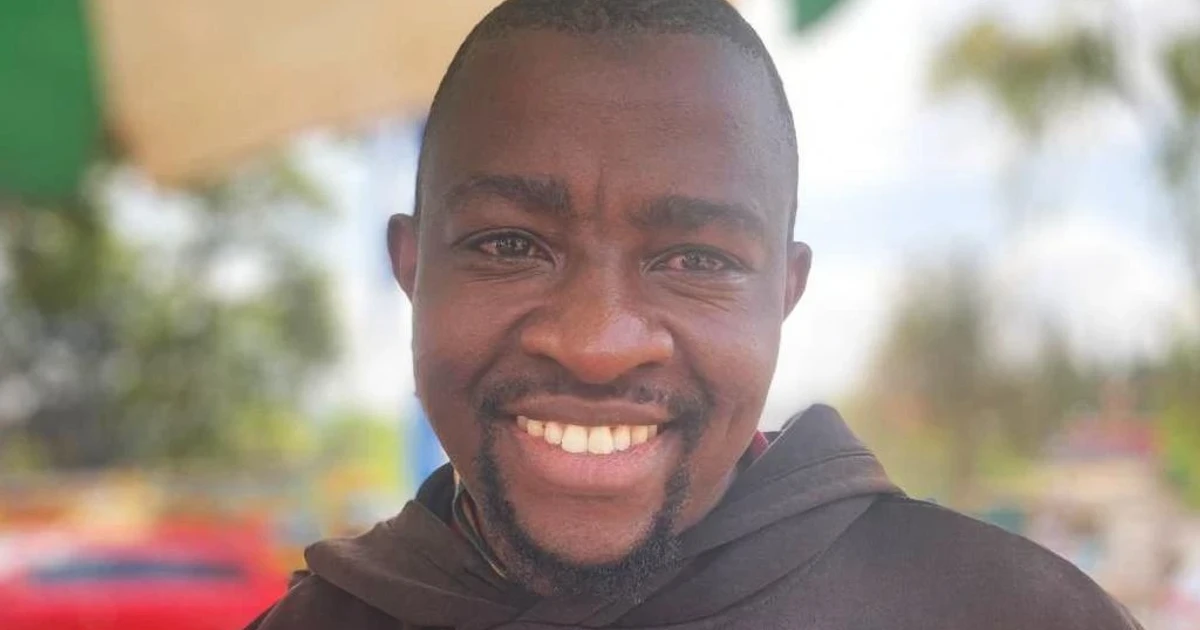
Men bearing female surnames are becoming more visible in Kenya, and nowhere is the shift more charged than among the Kikuyu, the country’s largest ethnic group. What was once uncommon enough to draw jokes is now appearing in politics, music and everyday life, turning a naming custom into a public argument over gender, belonging and family authority.
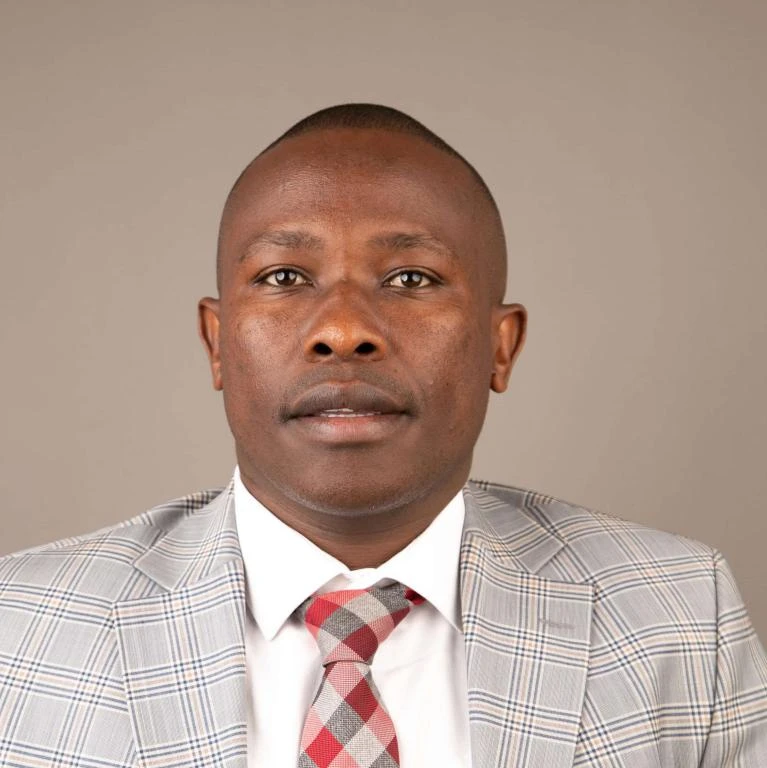
Among the most prominent examples is MP John Njuguna Wanjiku, first elected in 2021 and widely known as Ka-Wanjiku, meaning child of Wanjiku. In the music scene, Peter Kigia has long used the stage name Kigia wa Esther, or son of Esther, and even registered his record company as Wa Esther Productions. Younger performers, including Waithaka wa Jane and 90K Ka Msoh, have pushed the surname convention further into Nairobi’s entertainment spaces, where the names now appear on posters and stage bills.
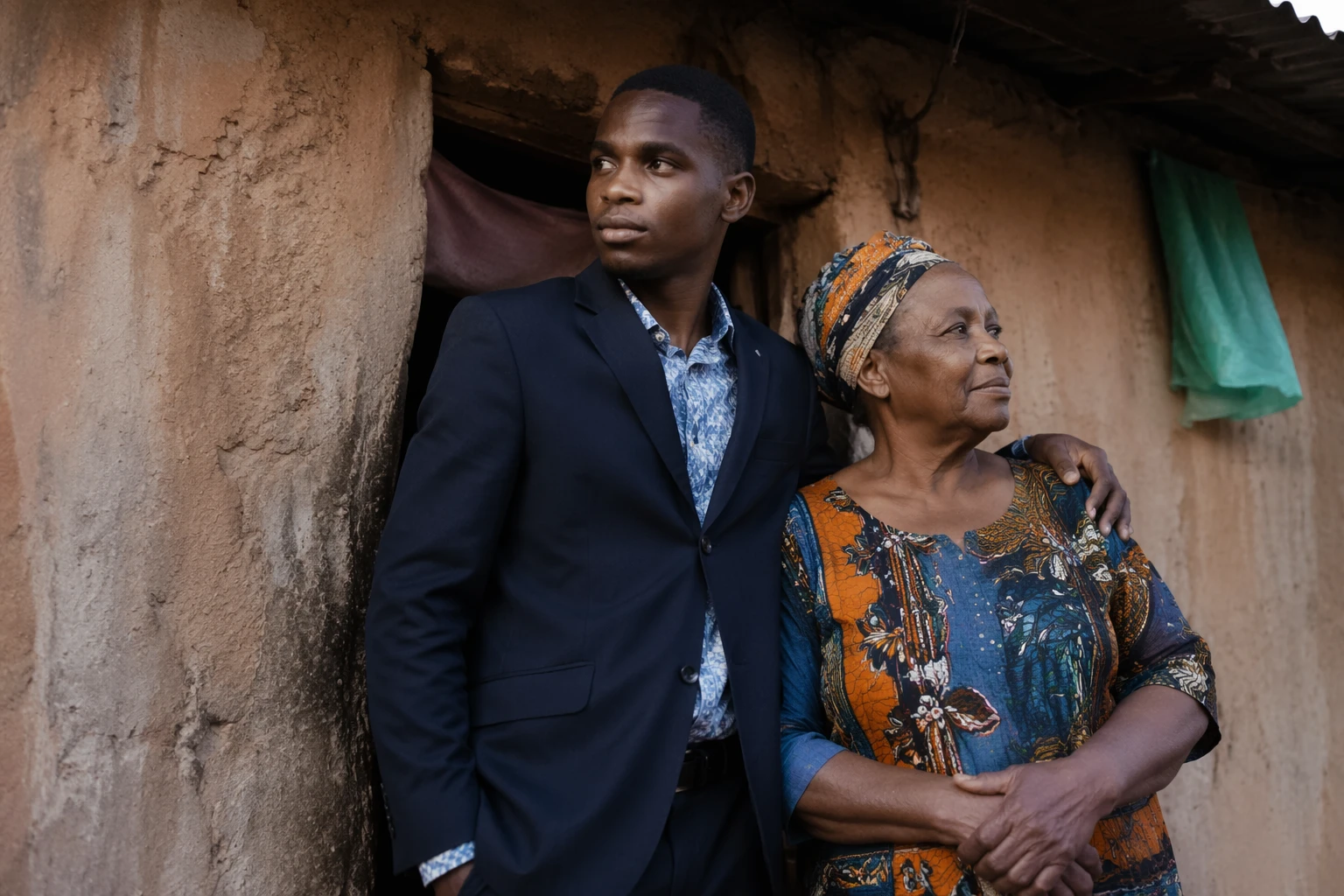
For some men, the choice is deliberate and personal. Simon Macharia Wangui chose his mother’s name as his official surname after growing up mostly with his grandmother, hearing only rumours about his father, and losing his mother in 2003 when he was 12. He had no surname until his final year of high school, when he applied for a birth certificate. Kigia has said using his mother’s name was a way of showing love and respect, and his professional branding made that decision permanent in business as well as on stage.
The backlash can start early. Alex, a university student, said classmates mocked him with sexist jokes because his surname came from his mother, and that he first understood the weight of the issue in class 5. His name was formally recorded when he sat for the KCPE exams in class eight, and he later tried to trace his father and consider taking his name instead. Evans Kibe Waceke, a broadcaster who also carries a female surname, says some Kenyans still link single-parent upbringing with poor morals, a stigma that falls harder on men than on women with maternal names.
That double standard reflects older naming traditions that are still changing. In many Kenyan communities, names have long carried Christian, traditional and family meanings, and can also reflect ethnicity, clan history, birth circumstances, weather, season or even the mother’s situation at delivery. As naming practices have become more westernised, more children have moved away from automatically taking a father’s first name as a surname. In the Kikuyu region, that shift is now visible in public life, where a surname once treated as an exception has become a marker of changing ideas about women’s influence, men’s duty and what counts as a legitimate family line.
Sources
- [1]bbc.co.uk
- [2]the-star.co.ke
- [3]yahoo.com
- [4]standardmedia.co.ke
- [5]spiritinaction.org
- [6]kenyans.co.ke