Politics
Kevin Warsh Could Shift Federal Reserve Communication Style
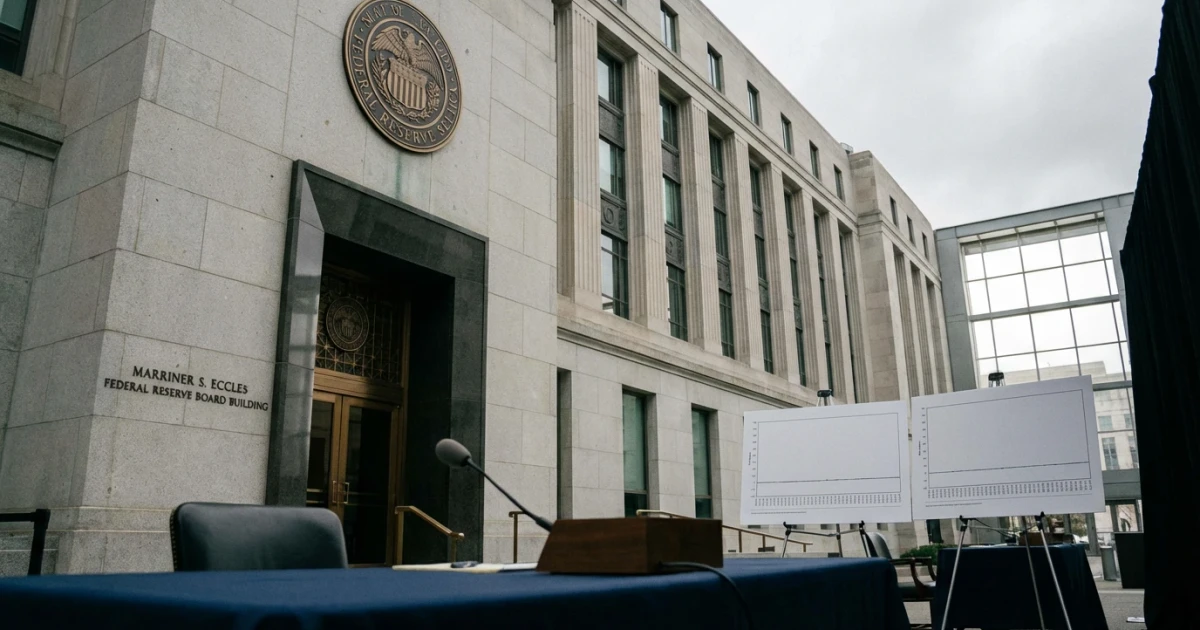
Kevin Warsh, a figure well-known in financial circles, is being discussed as the possible next chair of the Federal Reserve—a development that could bring significant change to the central bank’s approach to communication. As reported by Fortune, Warsh is seen as likely to depart from the recent tradition of highly transparent and talkative Fed leadership, potentially reshaping the way the central bank interacts with Wall Street and the public.
The Tradition of Fed Transparency
Over the past two decades, the Federal Reserve has increasingly adopted a policy of open communication with both markets and the public. This shift toward greater transparency has included more frequent press conferences, detailed meeting statements and minutes, and a willingness to signal policy intentions well in advance. The approach is widely credited with helping to anchor market expectations and reduce volatility, as investors and businesses can better anticipate the direction of monetary policy.
Researchers at the Brookings Institution have documented the evolution of Fed communication, noting that chairs like Ben Bernanke, Janet Yellen, and Jerome Powell made deliberate efforts to increase transparency. This included publishing economic projections, holding regular press briefings, and providing detailed explanations for policy shifts. The goal has been to make the Fed’s actions more predictable and to foster a sense of openness with the public and market participants.
Kevin Warsh’s Contrasting Approach
Kevin Warsh, a former member of the Fed Board of Governors, is distinguished by his more reserved communication style. According to his official record, Warsh’s tenure was marked by a focus on internal deliberations rather than public commentary. This stands in contrast to the recent trend of Fed chairs who have routinely appeared in the media and at conferences to explain policy moves.
Warsh’s supporters argue that a more measured and less chatty approach could restore an air of mystery and caution to monetary policy, making the Fed less susceptible to market pressure and short-term reactions. Critics, however, worry that a reduction in communication could lead to increased market uncertainty, higher volatility, and less effective policy transmission. As Fortune points out, some on Wall Street are concerned that Warsh’s style could mark the end of the “neighborhood” Fed chairman—one who is seen as both accessible and responsive to market and public concerns.
Potential Implications for Markets and Policy
- Less frequent public guidance could make it harder for investors to anticipate interest rate moves, raising market volatility around key policy meetings.
- Reduced transparency might limit the effectiveness of the Fed’s forward guidance, a tool that has been crucial during periods of low rates and quantitative easing. Readers can explore Fed policy tools and data to see how communication has affected outcomes in the past.
- Return to a more secretive Fed could shift power back to behind-the-scenes deliberations, making the central bank’s decision-making process less accessible to the public and lawmakers.
The Council on Foreign Relations offers a detailed explainer on how the Fed communicates its decisions, highlighting the importance of clear guidance in shaping market reactions and economic expectations.
Looking Ahead
If Warsh is appointed, his tenure could test the balance between transparency and discretion at the world’s most powerful central bank. History suggests that the Fed’s communication style can have a profound impact on financial markets, economic stability, and public confidence. Whether a shift toward less communication would help or hinder monetary policy remains a subject of debate among economists, investors, and policymakers alike.
For those interested in tracking the evolution of Federal Reserve communication, the Fed’s archive of official speeches provides a window into how different leaders have articulated policy in the past. As the conversation around Warsh’s potential leadership continues, observers will be watching closely for signs of how the next Fed chair might shape the central bank’s relationship with Wall Street and the public.