Business
Kevin Warsh’s Return Sparks Debate Over Fed’s $6.6 Trillion QE Legacy
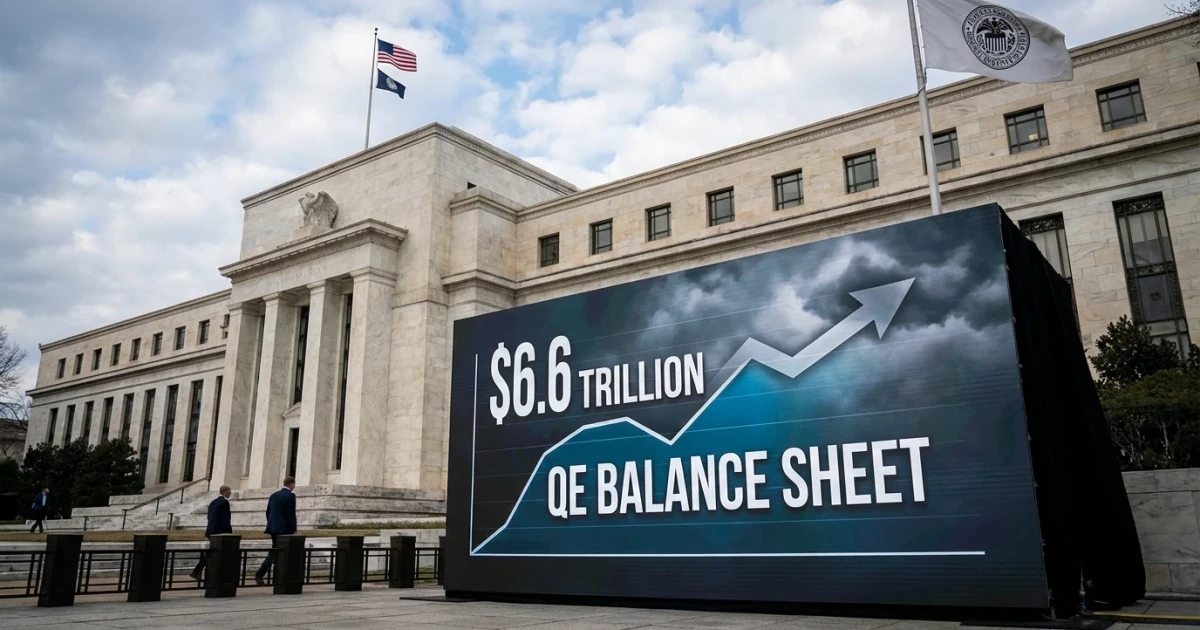
Kevin Warsh’s recent return to the Federal Reserve has reignited a fierce debate over the central bank’s response to past crises and the lingering impact of its $6.6 trillion quantitative easing (QE) program. As the Fed confronts ongoing economic uncertainty, Warsh’s appointment by the Trump administration is forcing policymakers and markets alike to reconsider the institution’s path forward.
The Federal Reserve’s QE Hangover
At the heart of the renewed debate is the Fed’s massive balance sheet, which ballooned to $6.6 trillion in the wake of successive rounds of QE implemented to stabilize markets during economic shocks. While the program was credited with averting deeper downturns and bolstering asset prices, critics have long warned about potential side effects, including asset bubbles, income inequality, and long-term inflationary pressures. Supporters, meanwhile, highlight the Fed’s role in maintaining financial stability and supporting economic recovery.
- QE Size: The Fed’s balance sheet currently stands at $6.6 trillion, reflecting years of aggressive asset purchases.
- Policy Impact: Quantitative easing helped lower long-term interest rates and stabilized markets, but concerns persist about unwinding these positions without disrupting the economy.
Warsh’s Policy Legacy and Uncertain Direction
Warsh, who previously served as a Fed governor during the 2008 financial crisis, has been both a critic and a defender of unconventional monetary policy tools. His past statements and positions suggest a cautious approach to QE, emphasizing the risks of an oversized balance sheet and the importance of returning to more traditional policies. However, his views have evolved over time, leading to uncertainty about which approach he will champion in his renewed role.
The Bloomberg report notes that market participants and policymakers are closely watching to see which version of Warsh will emerge: the reform-minded critic or the pragmatic insider. This ambiguity adds to the tension as the Fed navigates a challenging economic landscape.
Market and Policy Implications
The financial community’s reaction has been measured but attentive. The dollar remained steady following news of Warsh’s appointment, reflecting a wait-and-see attitude among investors as they assess potential changes in Fed strategy. The central bank’s next moves on interest rates, balance sheet reduction, and inflation targeting will likely be influenced by Warsh’s stance and the broader debate his return has sparked.
Key Issues Facing the Fed
- Unwinding QE: How quickly and aggressively should the Fed reduce its $6.6 trillion balance sheet?
- Inflation Management: Can the Fed control inflationary pressures with its current toolkit?
- Market Stability: Will policy shifts destabilize financial markets, or restore long-term credibility?
Looking Ahead: A Defining Moment for US Monetary Policy
As Warsh steps into his renewed role, the Federal Reserve faces pivotal choices that could shape the US economy for years to come. Policymakers must balance the risks of tightening financial conditions too quickly against the dangers of allowing inflation or asset bubbles to grow unchecked. Warsh’s leadership will play a critical role in determining the pace and strategy of the Fed’s exit from its QE-induced position.
For more insights on quantitative easing and the Federal Reserve’s policies, visit the official Federal Reserve Monetary Policy page.