Technology
Kevin Weil joins Stoke Space as reusable rockets gain momentum
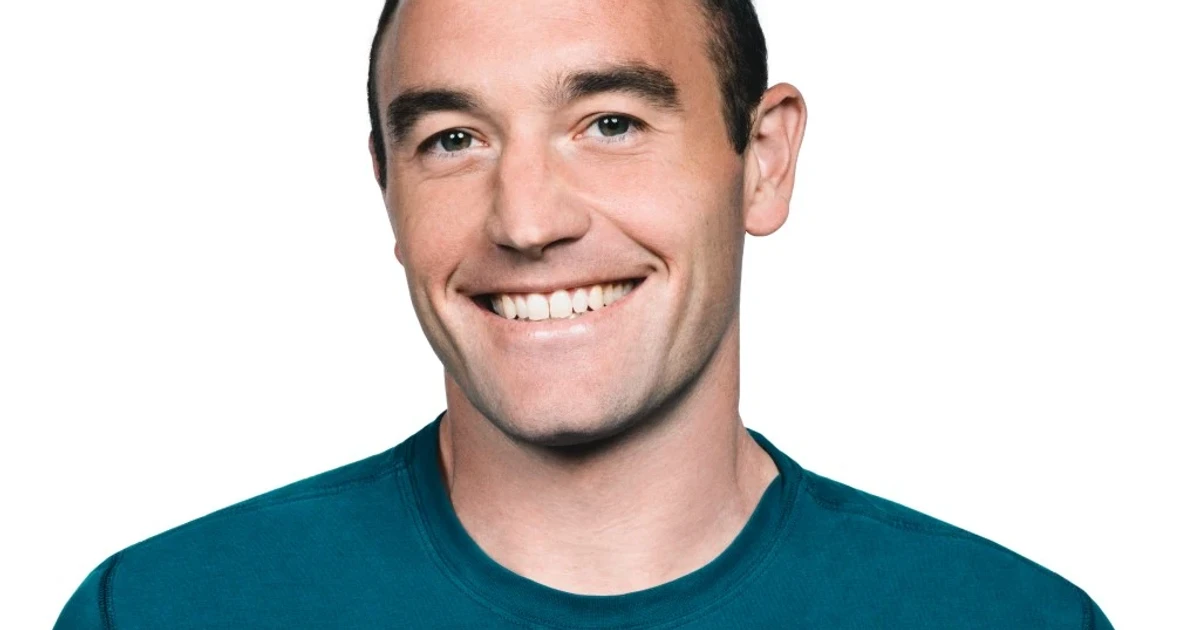
Kevin Weil is joining Stoke Space after leaving OpenAI on April 17, 2026, part of a leadership shakeup that also included Bill Peebles and came as OpenAI said it was decentralizing OpenAI for Science and moving away from “side quests” such as Sora. The move puts one of Silicon Valley’s best-known AI operators at a Kent, Washington startup betting that fully reusable rockets, not just frontier models, are the next place where talent and capital will concentrate.
Weil arrives with a résumé that spans Twitter, Meta and Instagram, Planet Labs and OpenAI, where he served as chief product officer before later leading OpenAI for Science. That path mirrors a broader migration of senior tech executives toward hard-tech businesses that promise large, infrastructure-scale markets rather than software-only growth. In Stoke’s case, the attraction is a launch company building medium-lift rockets around one core idea: repeated orbital access with vehicles that can be flown, recovered and flown again.
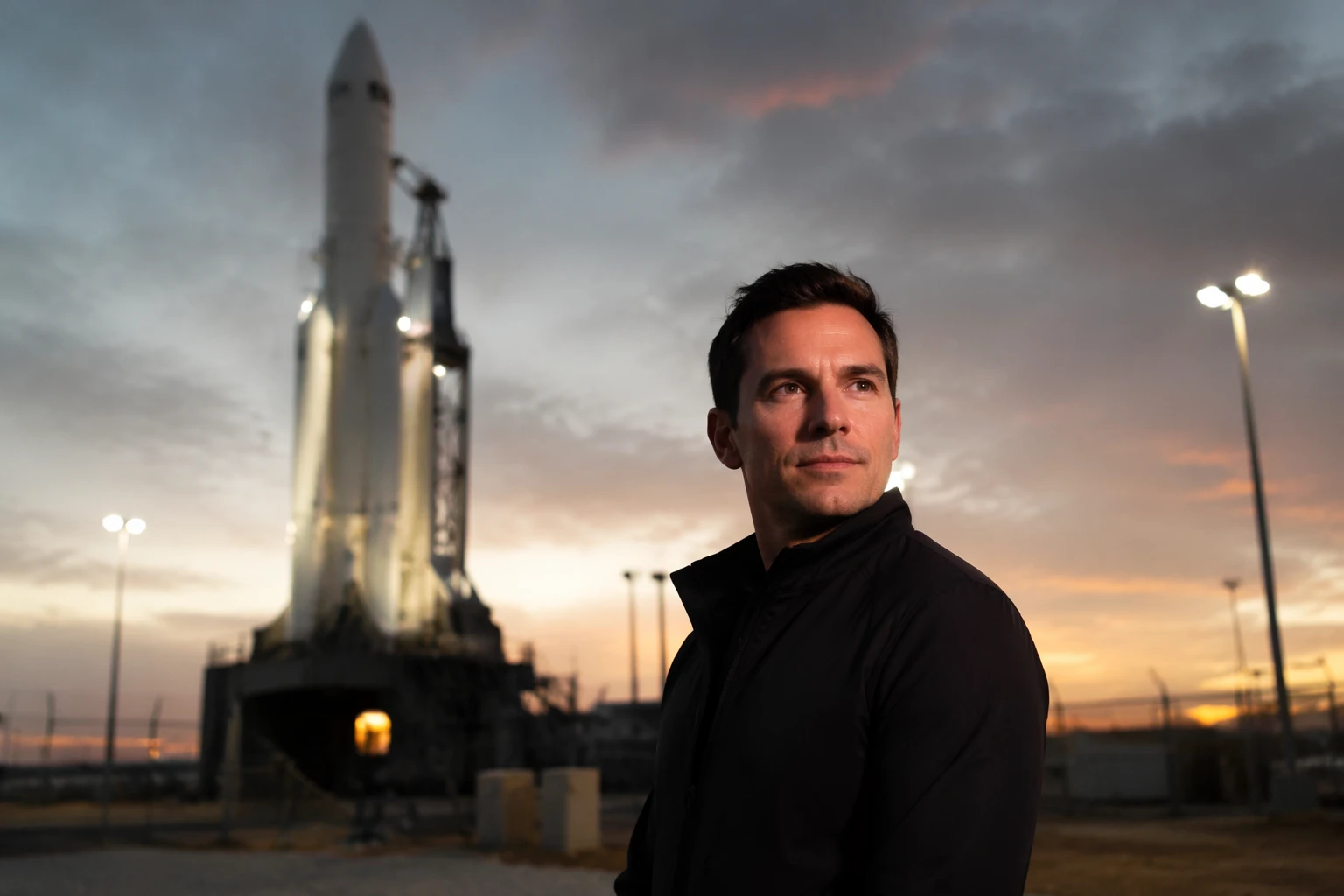
Stoke’s rocket, Nova, is designed for 100% reusability, a goal the company says changes the economics of cost, availability and reliability. The company has moved quickly to finance that ambition. It raised $510 million in Series D funding in October 2025, then extended the round to $860 million on February 10, 2026, bringing total funding to $1.34 billion. For a startup still building out its launch system, that level of capital underscores how intensely investors are backing the reusable-launch market.
The company also secured a major government opening on March 27, 2025, when it was selected for the U.S. Space Force’s National Security Space Launch Phase 3 Lane 1 program, a contract vehicle worth up to $5.6 billion. That gives Stoke a path to compete for national security launch missions, a lucrative market that has historically rewarded a handful of deep-pocketed incumbents and now offers challengers a route into sustained launch demand.
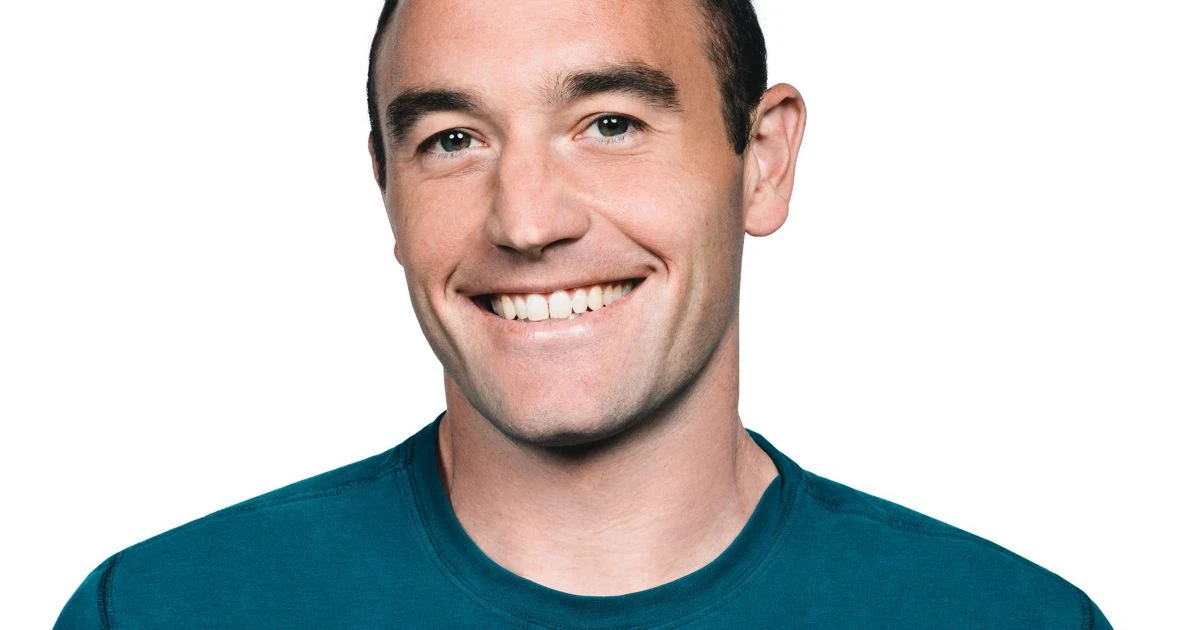
Stoke’s rise has made it one of the most closely watched SpaceX competitors in the sector. Weil’s arrival signals that reusable rockets are drawing the same sort of strategic attention that artificial intelligence did, with founders, engineers and now seasoned product executives treating space infrastructure as the next frontier where scale, technical risk and capital intensity can still produce outsized returns.
Sources
- [1]techcrunch.com
- [2]cnbc.com
- [3]stokespace.com
- [4]spacenews.com