Politics
Key Senate Battles Take Shape for 2026 Midterms
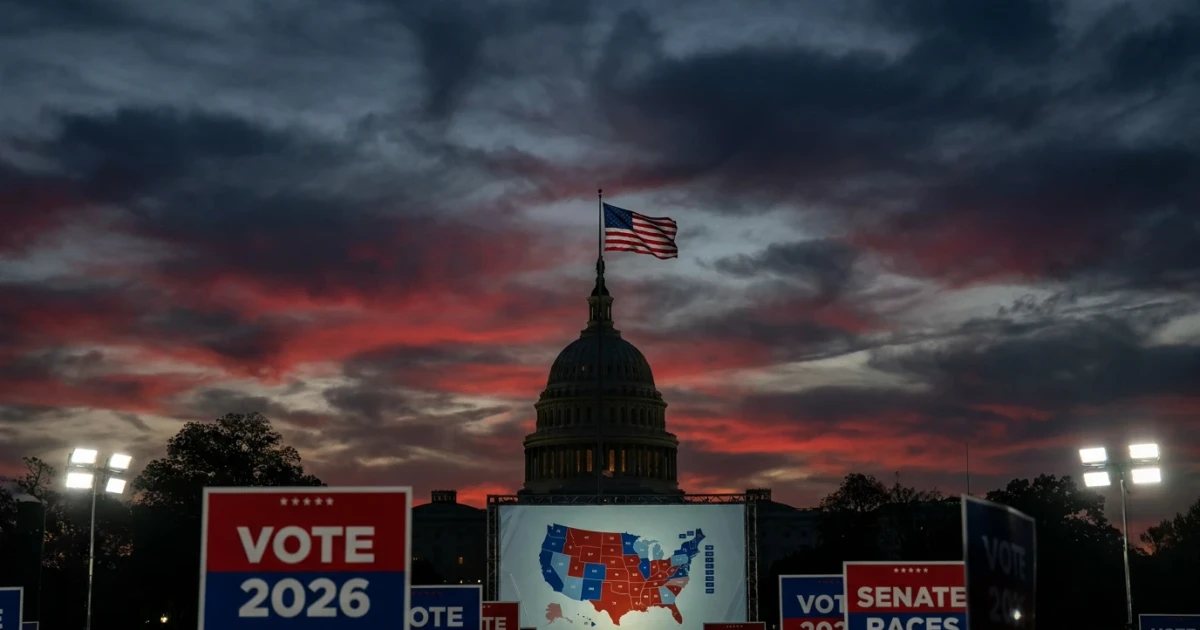
The 2026 Senate races are emerging as some of the most consequential in recent memory, as Democrats and Republicans vie for control of the upper chamber in a high-stakes midterm season. With a number of competitive seats on the ballot and shifting political winds, party strategists are zeroing in on key contests that could determine the balance of power in Washington.
Highly Competitive Seats Draw National Focus
NPR identified several Senate races that are considered most likely to flip, based on recent polling trends, historical voting patterns, and the political environment. These contests are unfolding in states where recent margins have been razor-thin and where demographic changes have altered the electoral landscape. According to NPR, both parties are ramping up campaign efforts and fundraising in these battlegrounds, viewing them as critical to securing a Senate majority.
- Arizona: With an open seat following a retirement, the race in Arizona is drawing intense attention from national parties and outside groups. Recent cycles have seen the state move from reliably red to a true toss-up, reflecting broader demographic shifts and suburban realignment. Arizona’s outcome may hinge on turnout among Latino voters and the ability of candidates to appeal to independents.
- Pennsylvania: Pennsylvania remains a perennial swing state. Both parties see opportunities, especially after a series of close recent races. Candidate recruitment and primary dynamics are likely to be decisive factors as the general election approaches.
- Wisconsin: With a narrow margin in the last cycle, Wisconsin’s Senate race is once again considered a top-tier battleground. The state’s sharp urban-rural divide and shifting suburban vote are key dynamics.
Long-Shot Opportunities and Party Strategy
While the spotlight is on the most competitive seats, NPR also noted that Democrats are targeting a handful of long-shot races in traditionally Republican states. These are uphill battles, but party officials argue that a favorable national environment or strong candidate could put more seats in play. Meanwhile, Republicans are defending several seats in states President Biden carried in 2024, heightening the pressure on incumbents.
According to Federal Election Commission data, fundraising has surged in competitive states, with both parties pouring millions into TV ads, digital outreach, and grassroots mobilization. Early financial reports show several races already breaking fundraising records, reflecting the intensity of the contest.
Historical Context and Voter Trends
Historically, midterm Senate elections have seen the president’s party lose seats, but the outcome often hinges on the national mood and state-specific factors. NPR’s reporting underscores that suburban and independent voters are expected to play a pivotal role, especially in swing states. Issues such as the economy, abortion rights, and border security are shaping early campaign messaging.
For a full overview of all 2026 Senate races, candidates, and dates, readers can consult Ballotpedia’s comprehensive guide. Interactive maps, such as those from 270toWin, provide up-to-date projections and allow users to explore different electoral scenarios.
What’s at Stake in 2026
With control of the chamber potentially hanging in the balance, every seat matters. NPR’s analysis suggests that the outcome will depend not only on national trends but also on candidate quality, fundraising, and state-level issues. As the field of candidates finalizes and campaign season intensifies, observers expect a fiercely contested battle for the Senate.
As voters prepare to go to the polls, the 2026 Senate map is set to test the strength of both parties’ coalitions—and could reshape the legislative agenda for years to come.