World
Khamenei distances himself from US deal, warns against concessions
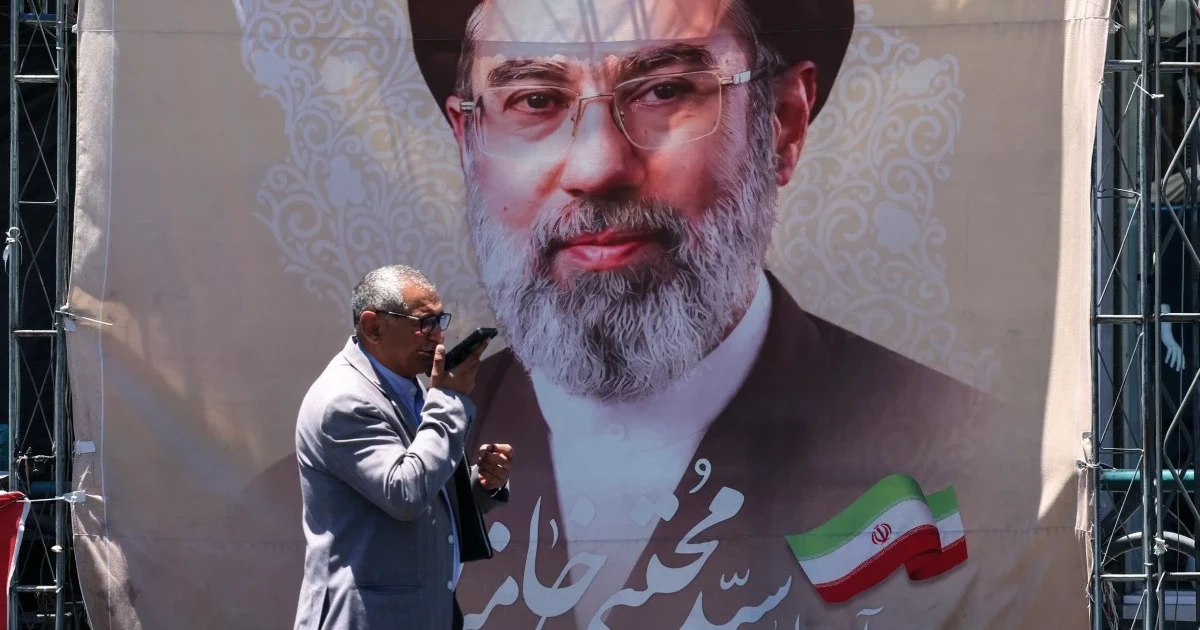
Iran’s supreme leader moved to claim distance from the U.S. memorandum even as he authorized it, a split-screen message that left President Masoud Pezeshkian carrying much of the public burden if the deal unravels. Mojtaba Khamenei said he had a “different view” but still approved the agreement after Pezeshkian and other senior officials assured him Iran’s rights and the interests of the “Resistance Front” would be protected. He also warned that the deal did not mean Iran was accepting Washington’s position and said Tehran would reject “excessive” demands.
The statement was his first public response to the memorandum of understanding signed by the Iranian and U.S. presidents, and it looked built to manage politics at home as much as diplomacy abroad. By casting Pezeshkian, who heads the Supreme National Security Council, as the official who accepted responsibility for protecting Iran’s interests, Khamenei insulated the clerical leadership from direct blame if talks collapse, concessions deepen, or hardliners revolt over the terms. That arrangement suggests Tehran wants the opening to Washington without fully owning every compromise it may require.
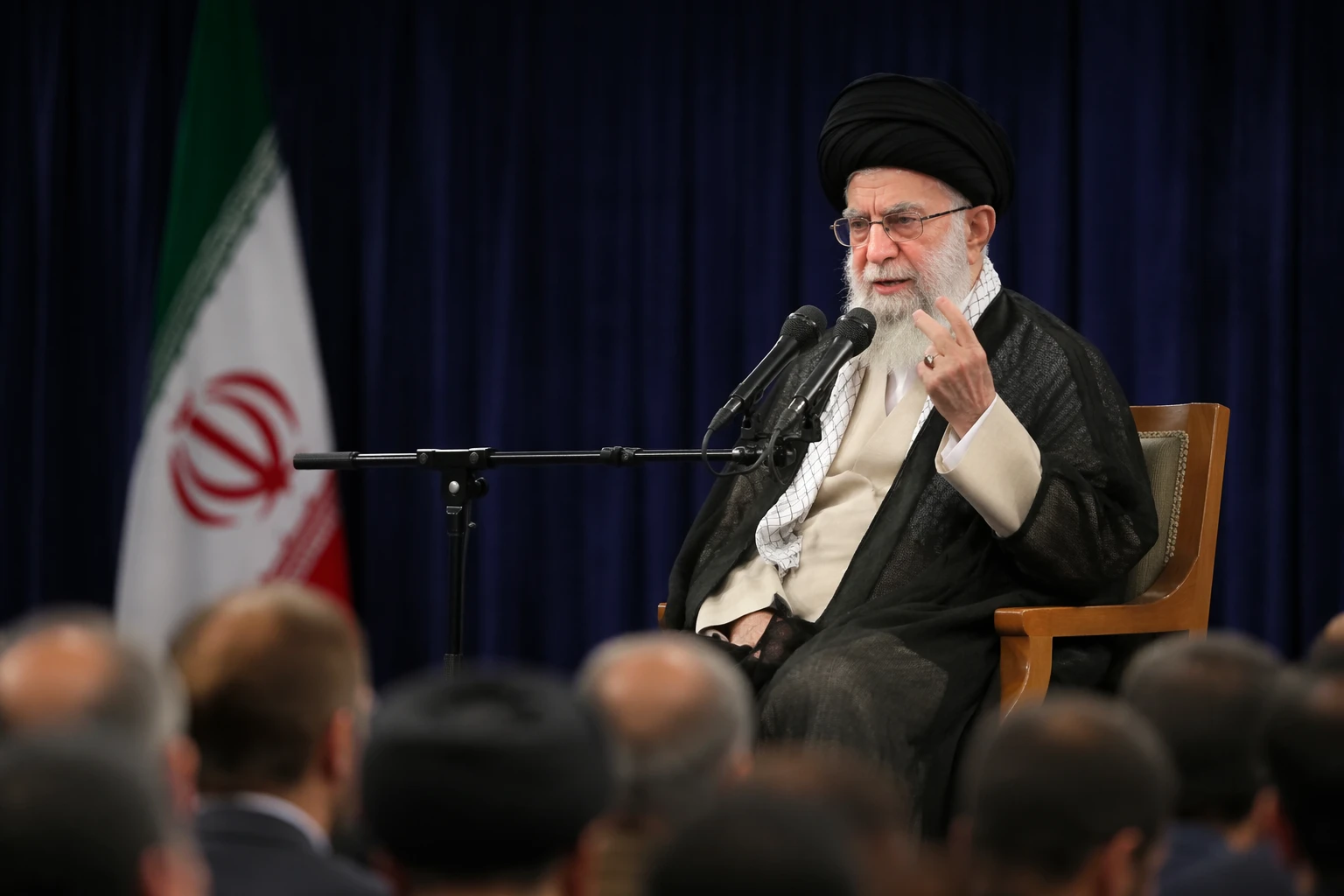
The agreement opened a 60-day negotiating window and linked follow-on steps to the Strait of Hormuz, the narrow waterway that remains one of Iran’s most powerful sources of leverage. It came after more than three months of war, giving the leadership a strong incentive to present the deal as tactical rather than final. The longer the talks stretch, the more useful Khamenei’s distance becomes: he can say he permitted the process without conceding that Iran accepted the broader U.S. agenda.

That hedging also reveals how brittle Tehran’s commitments remain. Khamenei’s message keeps the regime’s room to maneuver intact, but it also signals that the accord is being treated as conditional, reversible and politically expensive inside Iran. If the negotiations fail, Pezeshkian and the implementation team will absorb most of the immediate blame; if they hold, Khamenei can still present himself as the guardian who allowed diplomacy without surrendering principle.
Sources
- [1]nytimes.com
- [2]msn.com
- [3]al-monitor.com
- [4]iranintl.com
- [5]aljazeera.com
- [6]axios.com