World
Kim says North Korea’s nuclear status is only realistic path
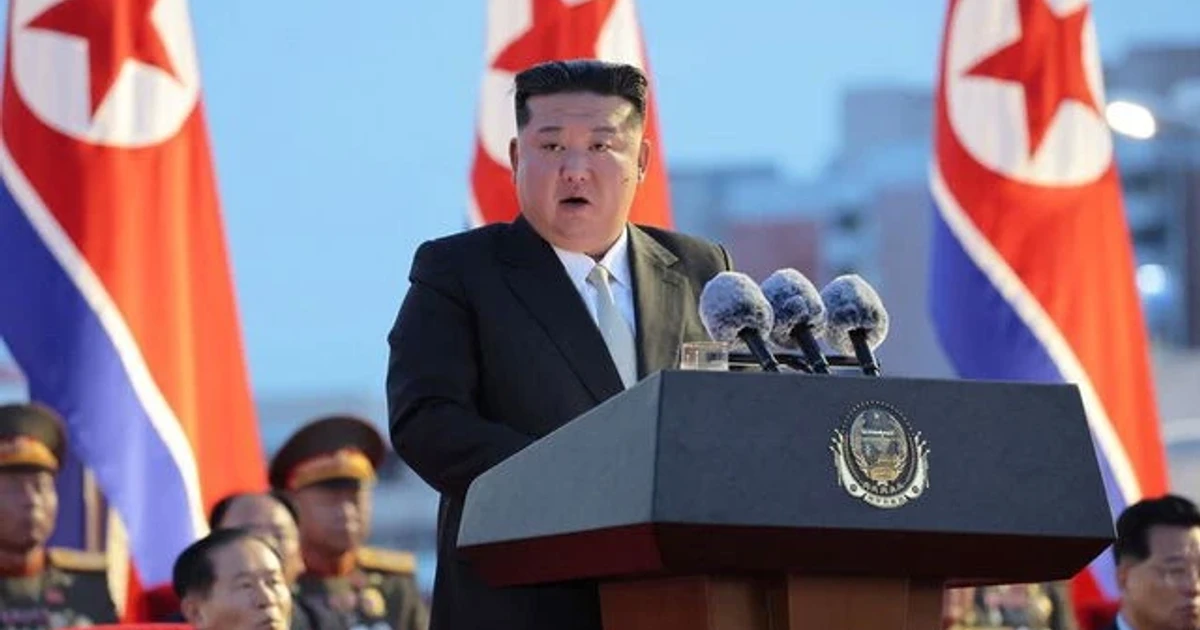
Kim Jong Un used a ruling party meeting to sharpen a long-running message: North Korea’s nuclear status is no longer a bargaining chip but, in his telling, the only realistic way to manage a volatile global security environment. The remarks, delivered at the Workers’ Party of Korea’s second plenary meeting of its ninth central committee and wrapped up on June 22, signaled a harder negotiating line toward Washington and Seoul. They also came just after the allies reaffirmed their own deterrence cooperation.
North Korea’s state news agency said Kim blamed the United States for worsening bloodshed in Europe and the Middle East and accused Washington and South Korea of steadily upgrading their combined nuclear posture. He said “unimaginable, astonishing incidents and events” were occurring because of the “gangster-like” greed of hegemonic forces. The language was familiar; the policy message was more consequential. By presenting nuclear status as settled fact, Kim was closing off any framework that begins with denuclearization.
Yang Moo-jin, a professor at the University of North Korean Studies in Seoul, said the comments underscored Pyongyang’s continued rejection of denuclearization and its push to negotiate only “as a nuclear weapons state on an equal footing.” That would shift the conversation away from dismantlement and toward arms reduction, a far narrower lane that would almost certainly demand sanctions relief and a change in how North Korea is treated diplomatically.
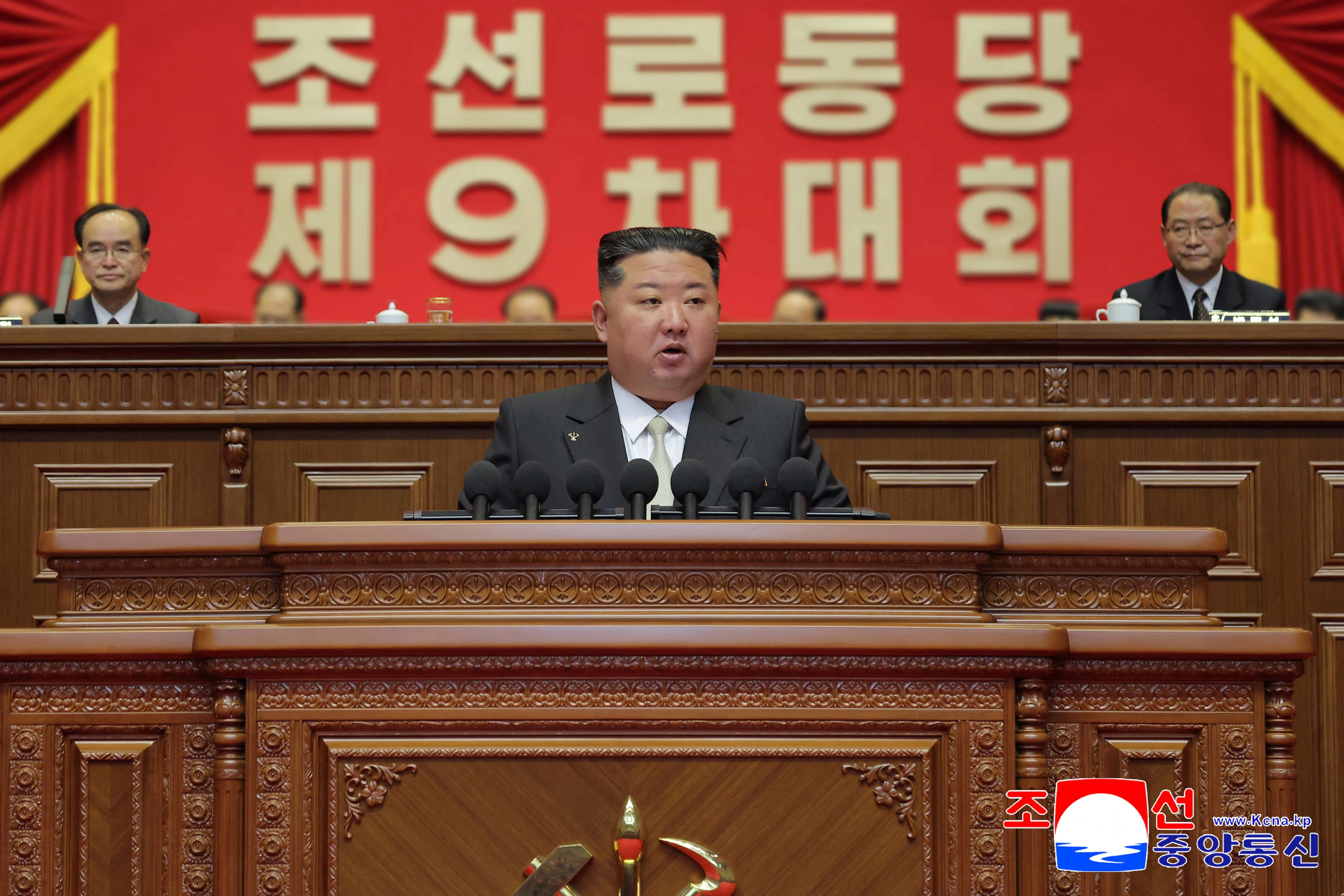
The setting mattered as much as the rhetoric. By airing the message inside a Central Committee plenum, Kim was speaking to party cadres and foreign capitals at once, a familiar North Korean tactic when the leadership wants to telegraph that policy is hardening. He paired the nuclear line with military orders, calling for faster construction of a 10,000-ton strategic guided-missile cruiser and pressing ahead with conventional force buildup. He also singled out South Korea’s push for a nuclear-powered submarine, turning Seoul’s modernization plans into part of Pyongyang’s own justification.
The timing sharpened the contrast with June 11, when the United States and South Korea held the sixth Nuclear Consultative Group meeting in Seoul. Defense, foreign affairs and intelligence officials from both sides reaffirmed the shared goal of denuclearizing North Korea, even as South Korean President Lee Jae Myung recently asked President Donald Trump to help pursue peaceful diplomacy with Pyongyang.
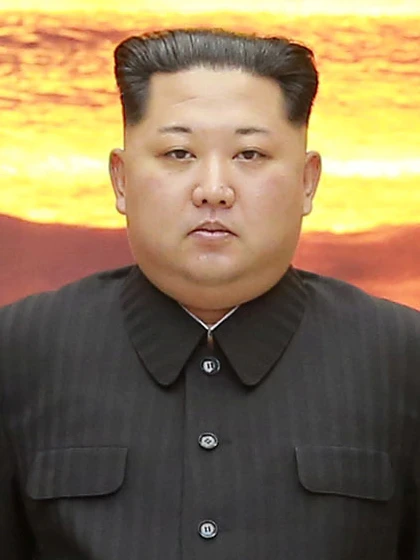
The wider nuclear backdrop points the same way. The International Atomic Energy Agency said in March that satellite imagery showed ongoing enrichment-related activity at Yongbyon and Kangson, while the Congressional Research Service said North Korea is expanding capacity to produce plutonium and highly enriched uranium. Think tank estimates put the arsenal at about 50 assembled nuclear weapons, with enough fissile material for more. Kim’s message suggests those weapons are being treated in Pyongyang not as leverage for a deal, but as the basis of the regime’s security strategy.
Sources
- [1]usnews.com
- [2]war.gov
- [3]usfk.mil
- [4]congress.gov
- [5]beyondparallel.csis.org
- [6]sipri.org
- [7]thestar.com.my