World
Kim Yo Jong warns Japan over Tomahawk missile test

Kim Yo Jong warned that Pyongyang would adopt “additional military options” after Japan carried out its first live-fire launch of a Tomahawk cruise missile on July 28, a test that pushed Tokyo’s expanding strike-capability program into sharper focus. The North Korean leader Kim Jong Un’s sister made the criticism as Japan pressed ahead with long-range weapons that Pyongyang sees as a direct threat.
The Tomahawk is a U.S.-made long-range cruise missile, and Japan agreed in January 2024 to buy 400 of them from the United States. Japan’s defense ministry set the acquisition window for fiscal years 2025 through 2027, after earlier plans had already been moved up to begin in 2025 because of security concerns involving North Korea and China. In the drill, the Japan Maritime Self-Defense Force destroyer JS Chokai, DDG 176, fired the missile for the first time.
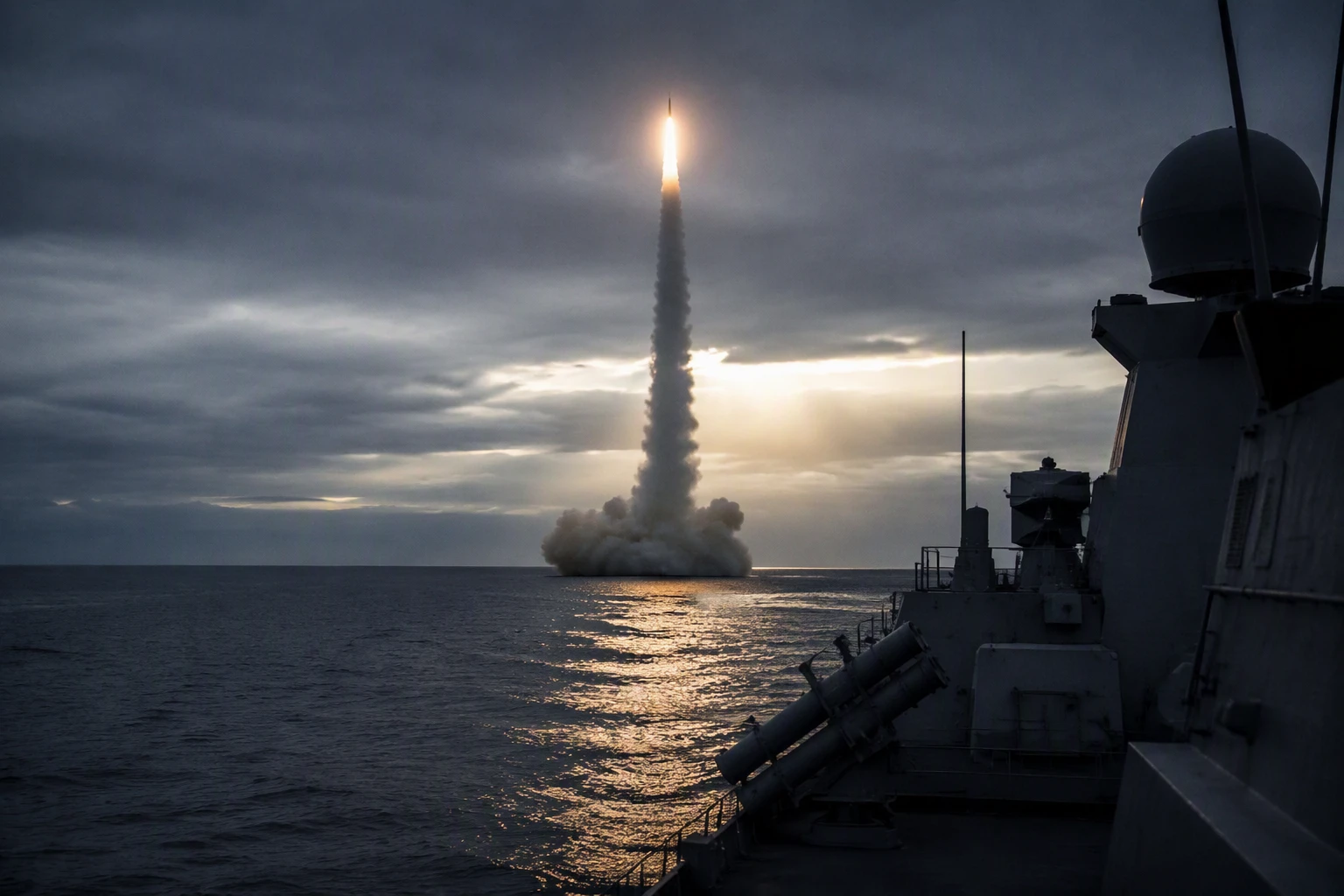
That launch matters because it was more than a technical exercise. Media coverage in October 2025 noted that Tomahawk range extends over North Korea, which helps explain why Pyongyang treats the system as a strategic challenge rather than a routine upgrade. For Tokyo, the missile fits a broader shift toward stronger deterrence, backed by the United States and justified by the pressure of North Korean missile and nuclear development and the uncertainty surrounding China’s military rise.
Kim Yo Jong has long served as one of North Korea’s sharpest public voices, and her latest warning fits a familiar pattern in Northeast Asia: one side’s military modernization becomes the other side’s proof of hostile intent. North Korea uses that argument to defend its own weapons posture, while Japan says its buildup is meant to deter attack and close gaps in reach.
The result is a faster-moving security spiral. Japan’s Tomahawk program gives Tokyo a strike option it once lacked, North Korea answers with threats of “additional military options,” and the United States continues reinforcing its alliance network across the Indo-Pacific. With each step, the room for restraint narrows, and the political value of military signaling rises in Tokyo and Pyongyang alike.
Sources
- [1]reuters.com
- [2]news.usni.org
- [3]youtube.com
- [4]aljazeera.com
- [5]newsweek.com