World
Koizumi says Japan must rethink pacifist posture amid security shift

Shinjiro Koizumi is pressing Japan to rethink the pacifist posture that has defined it since World War Two, as Tokyo moves closer to a defense buildup that would have been unthinkable a generation ago. The shift is not just about budgets. It is about whether Japan can expand military capability, deepen alliance coordination and still claim fidelity to the postwar identity anchored in Article 9, the constitutional clause that renounces war.
The turning point came on December 16, 2022, when Japan's Cabinet approved a new National Security Strategy, National Defense Strategy and Defense Buildup Program. Those documents set out a plan for Japan to take the necessary measures in fiscal 2027 to reach defense spending equal to 2% of current GDP. The government has said the strategy responds to a far harsher regional environment, including China’s activities, North Korea’s missile threat and Russia’s war in Ukraine.
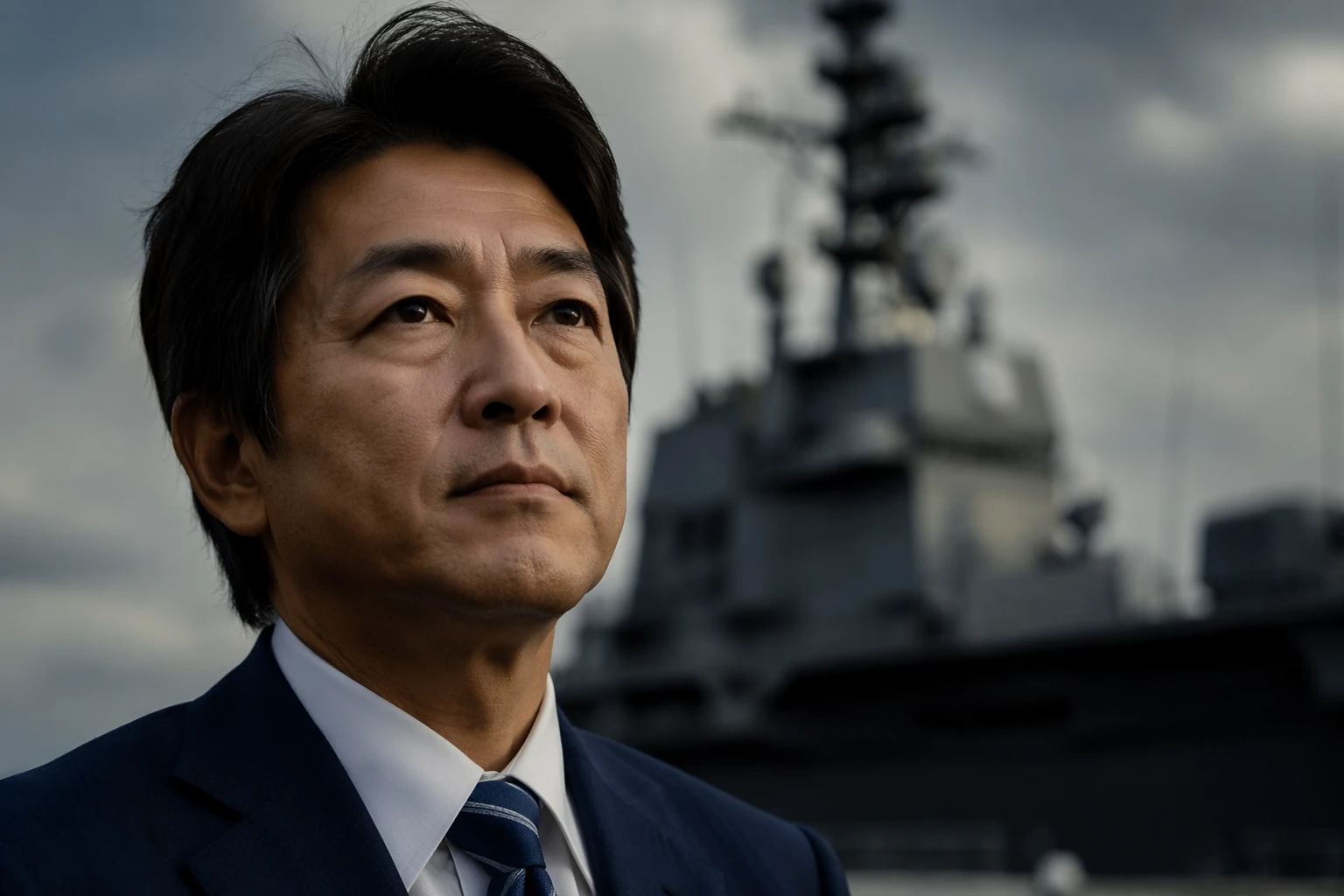
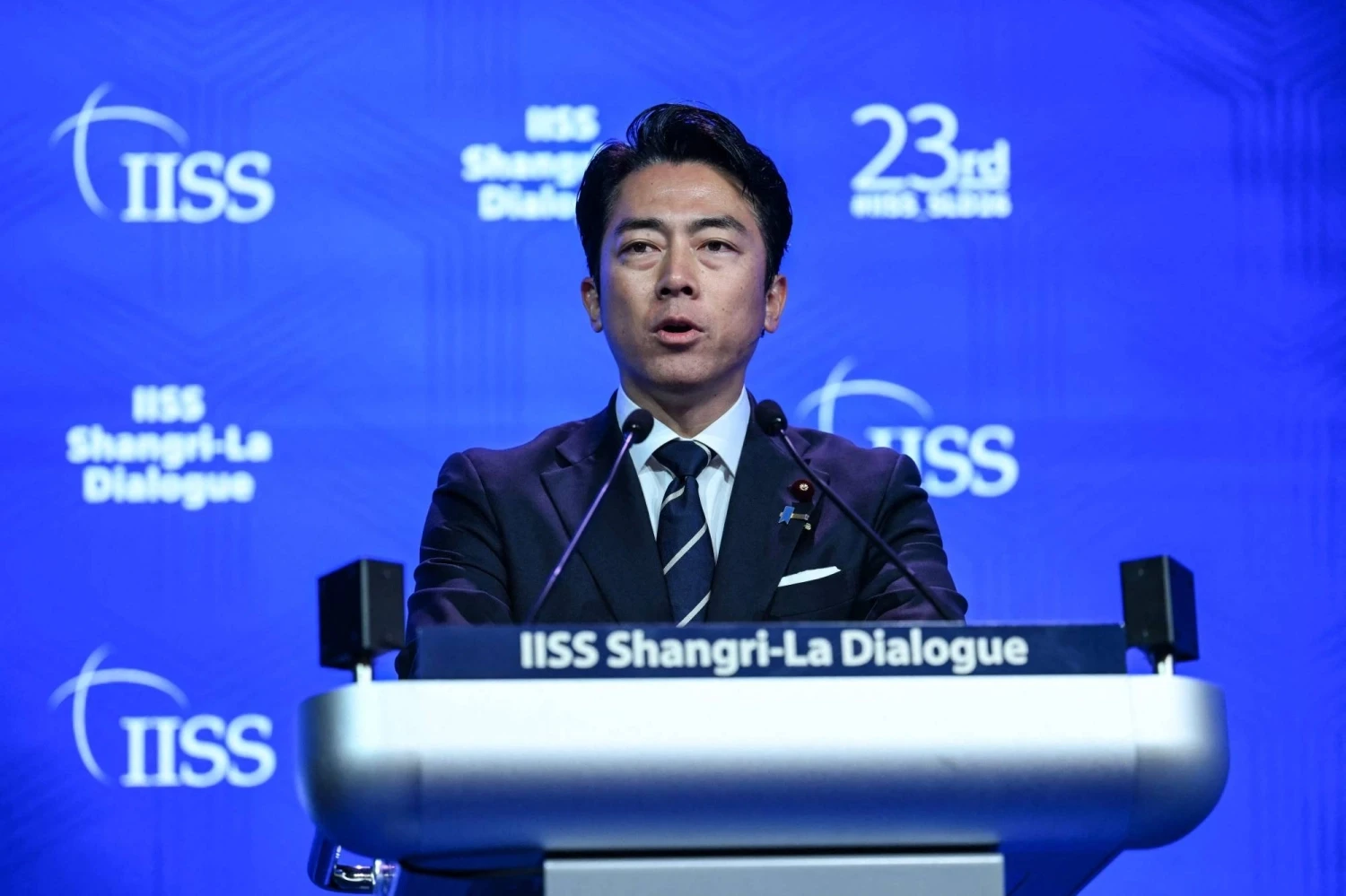
Koizumi has pushed back against warnings that Japan is drifting toward "new militarism." Instead, he has argued that Japan is responding to a "most severe and complex security environment" while keeping dialogue open with other countries. That distinction matters in Tokyo, where Article 9 remains central to Japan’s pacifist identity and where any expansion of military power still collides with long-running public concern over whether stronger defense can coexist with postwar restraint.
The numbers show how far Japan has already moved. Its fiscal 2026 defense-related total has been reported at about 10.6 trillion yen, roughly 1.9% of Japan’s 2022 GDP benchmark. In practical terms, deterrence means making conflict less likely by convincing adversaries that coercion would fail and that Japan, backed by the United States, is prepared to respond faster and more credibly. It also means shifting resources, doctrine and diplomacy around a larger security burden in the Indo-Pacific.

Washington has treated the change as strategically important. In a May 30, 2026 readout, the United States said Koizumi and U.S. officials discussed Japan’s rapid enhancement of defense capabilities and higher defense spending. Japan also hosted the United States for an Extended Deterrence Dialogue from June 8 to June 9, underscoring how central the alliance has become to Tokyo’s security planning. For U.S. readers, Japan’s buildup is part of a broader reshaping of alliances in Asia, where deterrence is becoming the organizing principle of regional security.
Sources
- [1]bbc.com
- [2]mofa.go.jp
- [3]mod.go.jp
- [4]ci.emb-japan.go.jp
- [5]shugiin.go.jp
- [6]state.gov
- [7]kyodoreport.com
- [8]cnbc.com