Lifestyle
Korean Culture Becomes a Global Lifestyle Phenomenon
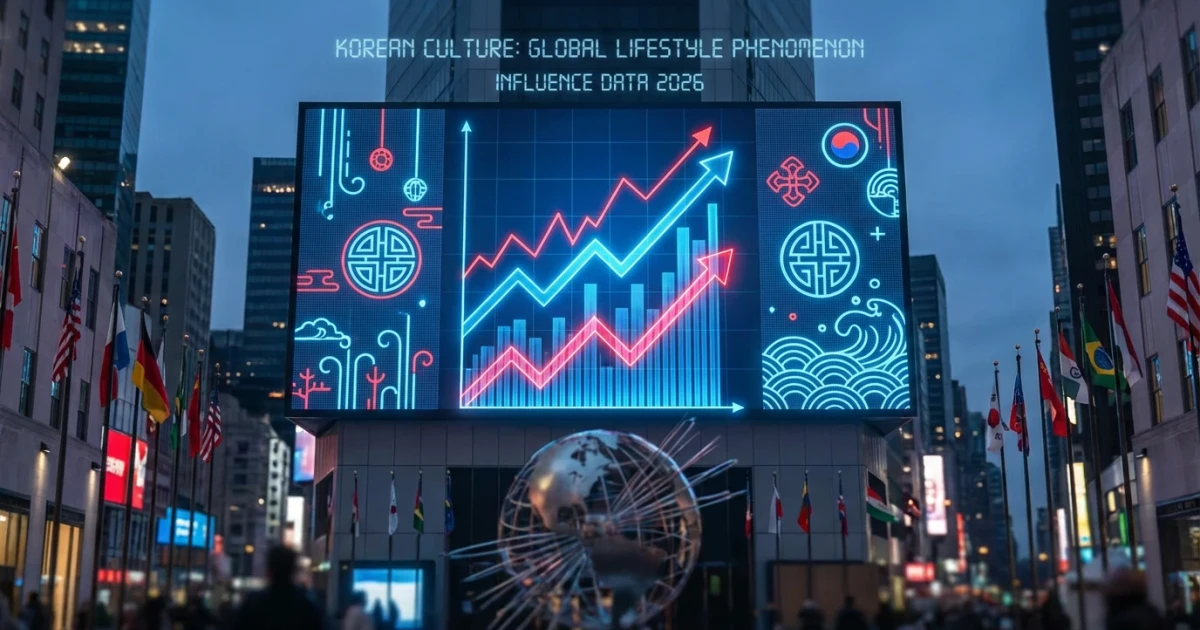
Korean culture—from K-pop and K-dramas to food and beauty—has evolved from a fleeting trend into a lasting part of global lifestyles, according to recent survey findings and cultural data. No longer confined to niche fan communities, the influence of Korean content and products is now visible in mainstream habits and industries around the world.
The Survey: Korean Culture's Global Integration
A new survey shared by The Korea Herald underscores the shift in perception: for many international consumers, Korean culture is no longer viewed as a short-lived fad but as an enduring part of everyday life. Respondents reported that elements such as Korean music, dramas, fashion, and cuisine have become integrated into their routines, social activities, and consumer choices. This aligns with broader research from the Pew Research Center, which shows high familiarity and positive views of Korean pop culture in countries across Asia, Europe, and the Americas.
From Trend to Mainstream: The Data Behind the Shift
- Official statistics from the Korea Culture and Information Service reveal that the export value of Korean cultural content—including music, films, games, and cosmetics—has reached record highs, with Korean content exports exceeding $13 billion annually.
- Data from UNCTADstat confirms South Korea's standing as a leading exporter of creative goods, ranking among the top five globally in recent years.
- The number of official international K-pop fan clubs surpassed 1,500 in 2025, reflecting a growing and organized global fan base.
These figures highlight that Korean culture's reach is not just deepening but also diversifying, with fans engaging in everything from streaming dramas on major platforms to incorporating Korean skincare routines and recipes into their daily lives.
Government Policy and Support
South Korea's government has played an active role in supporting the global spread of its culture, as documented on the UNESCO Policy Monitoring Platform. Initiatives include funding for cultural content creation, export incentives for creative industries, and partnerships with global distributors. These policies have helped sustain the momentum of the so-called Korean Wave (Hallyu), ensuring that new artists, directors, and innovators continue to find international audiences.
Global Perspectives and Cultural Impact
The worldwide embrace of Korean culture is reflected in everyday life. According to the Pew Research Center, younger generations are especially likely to engage with K-pop, K-dramas, and Korean food, with social media helping to amplify trends across borders. In many cities, Korean restaurants, beauty shops, and language classes are now common, further embedding these elements in local cultures.
While some critics once argued that the Korean Wave might fade as global tastes shift, current data and survey responses suggest otherwise. Korean culture continues to evolve, offering new content and products that keep international audiences engaged.
Looking Ahead
The transformation of Korean culture from a trend to a global lifestyle is supported by robust export data, government backing, and positive international perceptions. As more people worldwide adopt K-culture in their daily lives, the influence of the Korean Wave seems poised to remain strong for years to come.