Lifestyle
Korean Eateries in NYC Face Ingredient Shortages
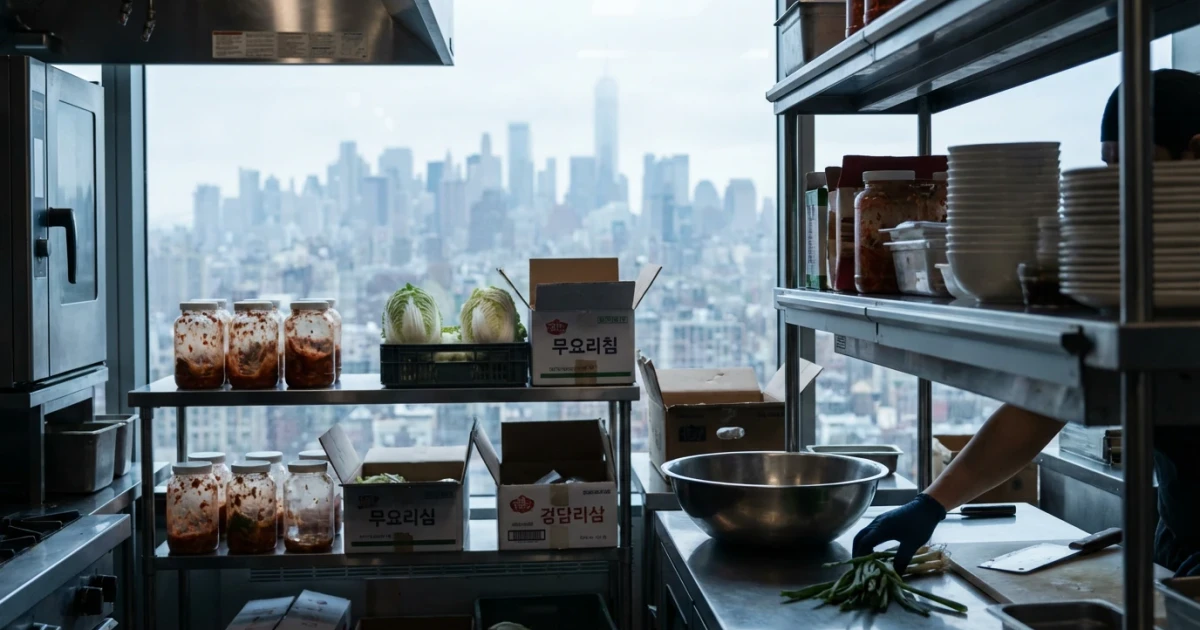
Korean restaurants across New York City are facing significant challenges in sourcing key ingredients, as supply chain disruptions and growing demand for authentic K-food strain availability and pricing. The scarcity of essential items, from kimchi and gochugaru to specialty vegetables, is forcing restaurant owners to adapt menus and pricing while navigating a complex import landscape.
Rising Demand Meets Import Bottlenecks
New York City has seen a surge in the popularity of Korean cuisine, driven by both the expanding Korean population and a broader appetite for K-food among non-Korean diners. But this popularity has put pressure on a supply chain already stressed by global shipping delays and regulatory hurdles related to importing food products into the United States. Many Korean restaurants rely on specialty imports—like fermented sauces, chili powders, and pickled vegetables—that are not easily substituted with domestic alternatives.
According to recent industry analysis, the import value of Korean food products into the US has steadily increased, reflecting both demand and the rising costs of ingredients. However, logistical issues and stricter documentation requirements have slowed the pace of deliveries, leaving some eateries with incomplete orders or delayed shipments.
Key Ingredients in Short Supply
- Kimchi: The staple fermented cabbage dish is in high demand but faces supply chain challenges, as reported by FoodNavigator-USA. US-grown napa cabbage and Korean chili pepper imports are both subject to seasonal fluctuations and import restrictions.
- Gochugaru (Korean chili powder): Authentic gochugaru is difficult to substitute, and import delays have left some restaurants rationing or seeking alternative suppliers.
- Specialty vegetables: Items like perilla leaves and Korean radish are sometimes imported due to limited domestic production, as shown in the USDA Vegetable and Pulses Data.
Restaurants Adapt to the New Reality
The NYC Department of Health reports that Korean restaurants make up a significant and growing segment of the city’s dining scene. Many owners are adjusting menus, raising prices, or experimenting with local substitutes to cope with ingredient shortages. However, purists argue that authenticity can suffer when traditional ingredients are replaced or omitted.
Restaurant operators must also navigate evolving FDA regulations on imported food, which require detailed documentation and adherence to food safety protocols. These requirements, while intended to protect consumers, can add time and cost to an already challenging process.
Looking Ahead: Will Supply Recover?
Experts say the situation may improve as global logistics stabilize and domestic production of Asian vegetables ramps up. Meanwhile, the continued popularity of K-food in the US is likely to incentivize more investment in local supply chains and specialty farming. For now, New York’s Korean restaurants remain resilient—adapting to shortages while striving to serve the city’s ever-growing appetite for Korean flavors.