World
Kosovo bans Serbian minister after ethnic cleansing comment about war
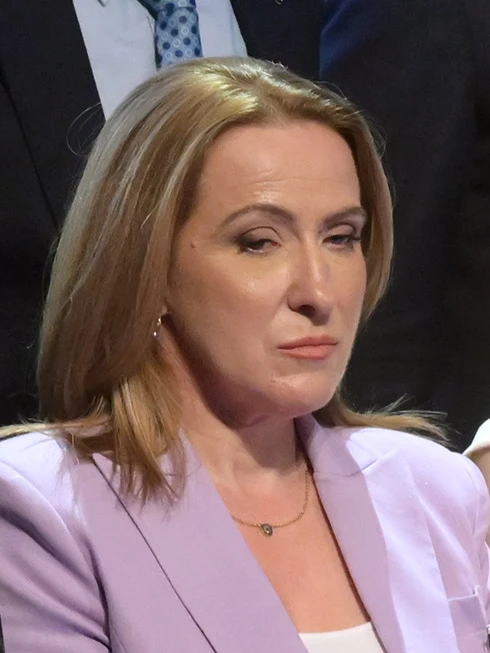
Kosovo permanently banned Serbian minister Snezana Paunovic from entering or transiting through the country after she said in a Monday television interview that she would have ethnically cleansed Kosovo in 1998 if she had been Slobodan Milosevic. The move turned a wartime remark into a fresh diplomatic clash between Pristina and Belgrade, with European Union officials warning that rhetoric glorifying ethnic cleansing has no place in Europe.
Kosovo interior minister Xhelal Svecla announced the decision and framed it as a defense of national dignity against language tied to the 1998-99 war. Paunovic serves as Serbia’s minister for state administration and local self-governance, and regional reporting identified her as a long-time Socialist Party of Serbia official, a party founded by Milosevic. One report said she joined the party in 1992 and became vice president in 2024.
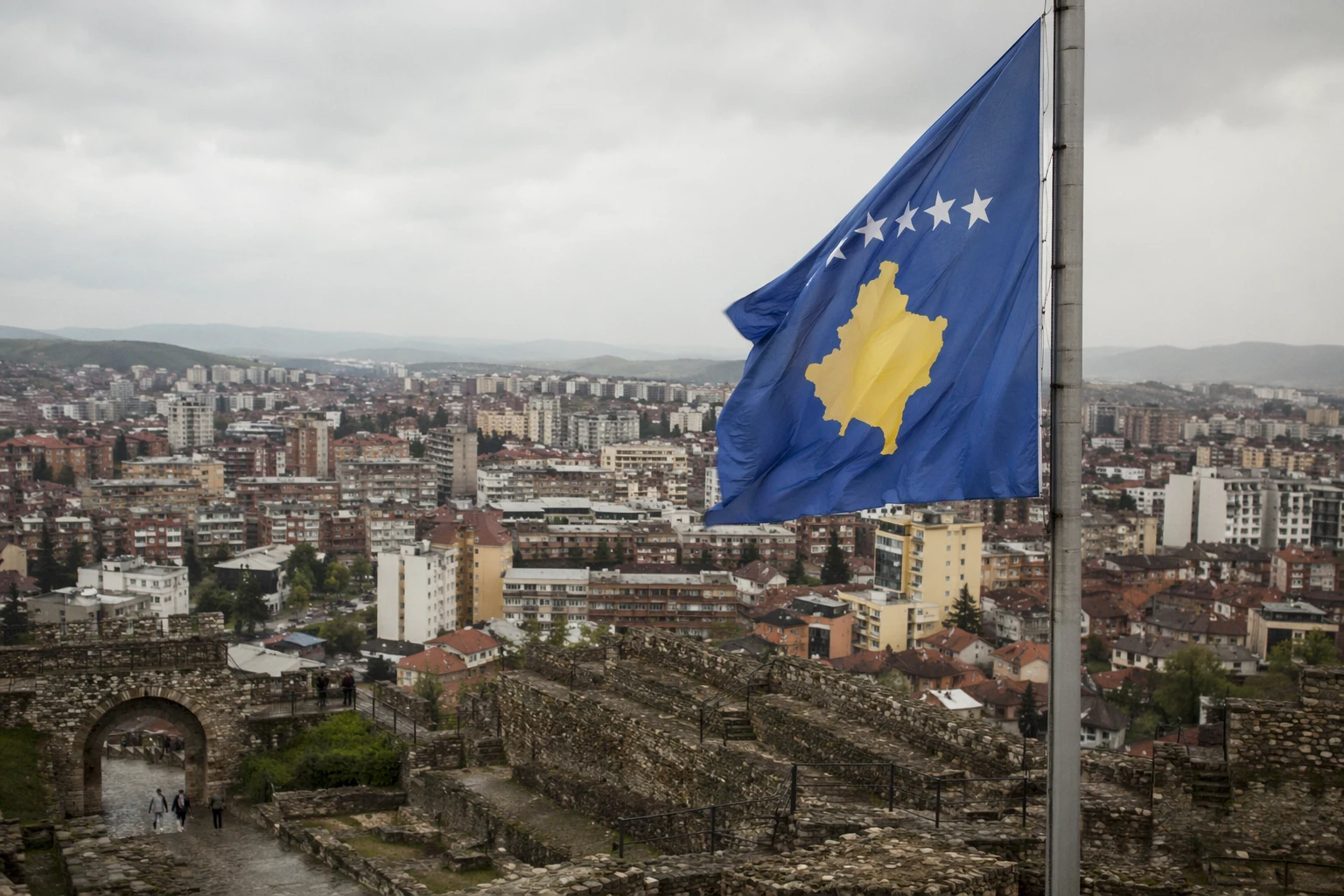
The dispute lands in one of the Balkans’ most sensitive political fault lines: memory of the Kosovo war. More than 13,000 people, most of them Kosovo Albanians, are believed to have died in the conflict, which ended in June 1999 after NATO’s 78-day air campaign against Serbian military and police targets. By March 24, 1999, UNHCR estimated that 460,000 people had been displaced during the Kosovo crisis, and by the end of 1998 it estimated about 257,000 displaced within Yugoslavia, including 180,000 mostly ethnic Albanians displaced within Kosovo.
Kosovo declared independence on February 17, 2008, but Serbia has never recognized it, leaving legitimacy, sovereignty and wartime history locked together in a dispute that continues to shape diplomacy. Milosevic died in The Hague on March 11, 2006, while on trial before the International Criminal Tribunal for the former Yugoslavia, a reminder of how the legal and moral record of the breakup of Yugoslavia still hangs over present-day politics.
The European response underscored the stakes for the EU-mediated normalization process between Serbia and Kosovo. EU officials said there is zero tolerance for rhetoric that justifies ethnic cleansing, and Marta Kos and Kaja Kallas recently said there is no place in Europe for genocide denial, historical revisionism or glorification of convicted war criminals. Kosovo’s ban has an immediate practical effect on Paunovic’s travel, but its wider consequence is to deepen a diplomatic chill in a relationship already shaped by non-recognition, stalled normalization and the unresolved legacy of the war.
Sources
- [1]usnews.com
- [2]internazionale.it
- [3]n1info.rs
- [4]unhcr.org
- [5]refworld.org
- [6]icty.org
- [7]enlargement.ec.europa.eu
- [8]commission.europa.eu