Technology
Kroger’s drone grocery pilot stalled as regulations crushed economics
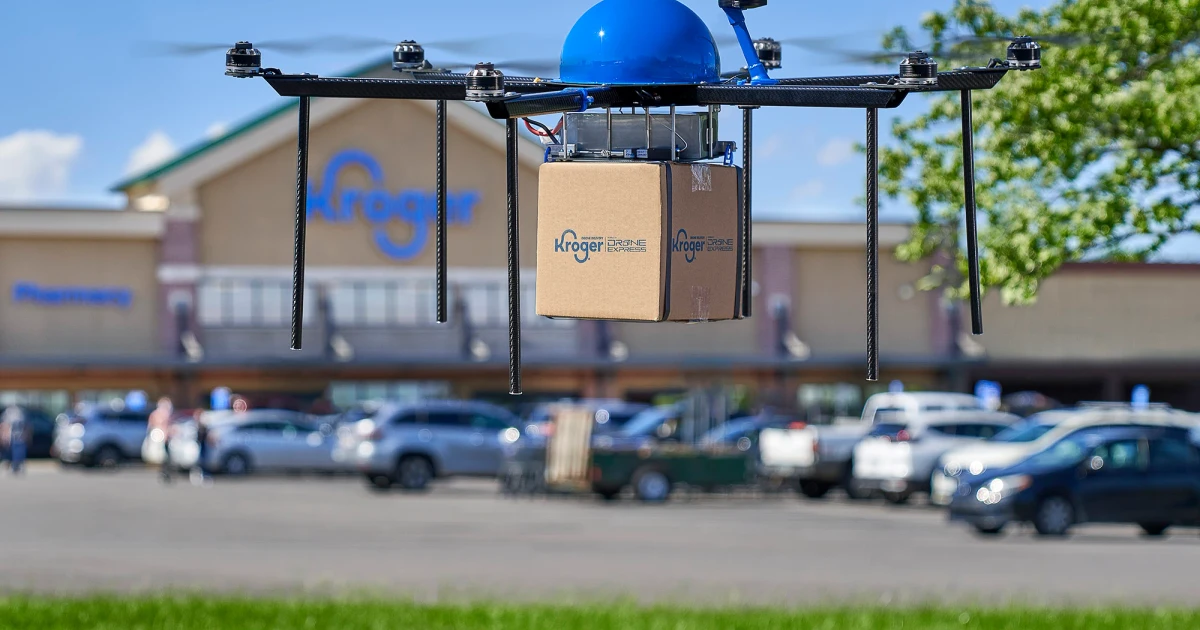
Beth Flippo moved from New Jersey to Ohio in 2021 to run Kroger’s grocery-by-drone pilot, and the program was suspended after about eight months because the numbers never worked. Flippo said the operation needed workers positioned around town to watch the drones, a labor load that erased the business case. “We couldn’t make any money,” she said.
Kroger and Drone Express had unveiled the pilot on May 3, 2021, with test flights set to begin that week near the Kroger Marketplace in Centerville, Ohio. Customer deliveries were scheduled for later that spring, and Kroger also planned a second pilot to launch in California. The concept fit the hype around rapid delivery, but the operating model was immediately constrained by federal rules that kept the drones tied to human supervision.
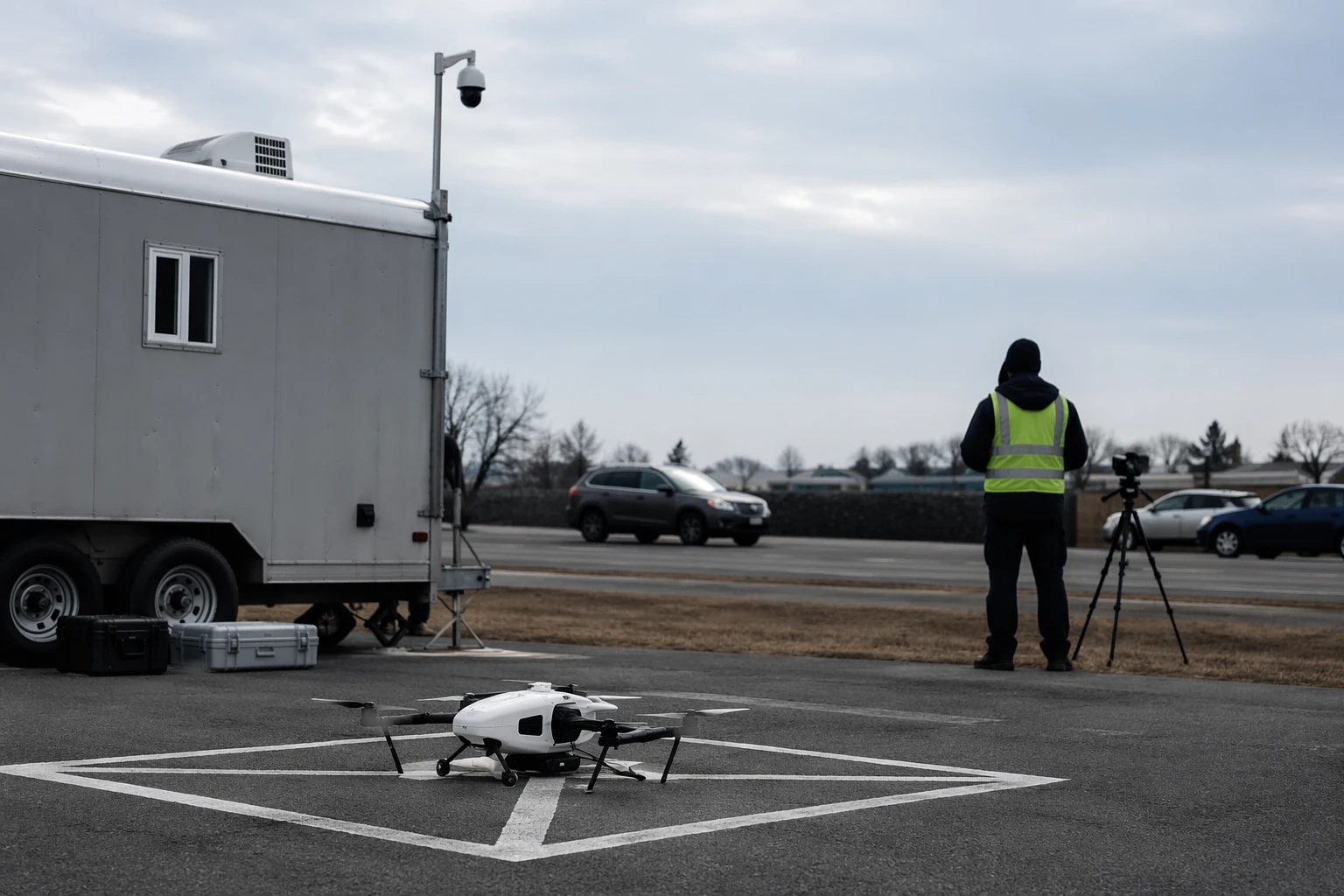
FAA Part 107 required the remote pilot in command, any visual observer, and the person manipulating the flight controls to be able to see the aircraft throughout the entire flight. The FAA could issue waivers for specific operations if operators showed safe alternative methods, but those approvals still imposed a steep compliance burden. In practice, Drone Express said the Centerville pilot relied on licensed pilots in an on-site trailer plus additional off-site monitoring, a setup that made each delivery closer to a small aviation operation than a scalable retail service.
The delay between technical progress and commercial scale has remained a central obstacle across the sector. Dexa later obtained an FAA waiver to fly beyond visual line of sight, but the process took four years, a reminder that regulatory approvals can move far slower than investor enthusiasm. Dexa is now in active talks with Kroger to revive the suspended drone program, suggesting the retailer has not abandoned the idea even after the first attempt stalled.
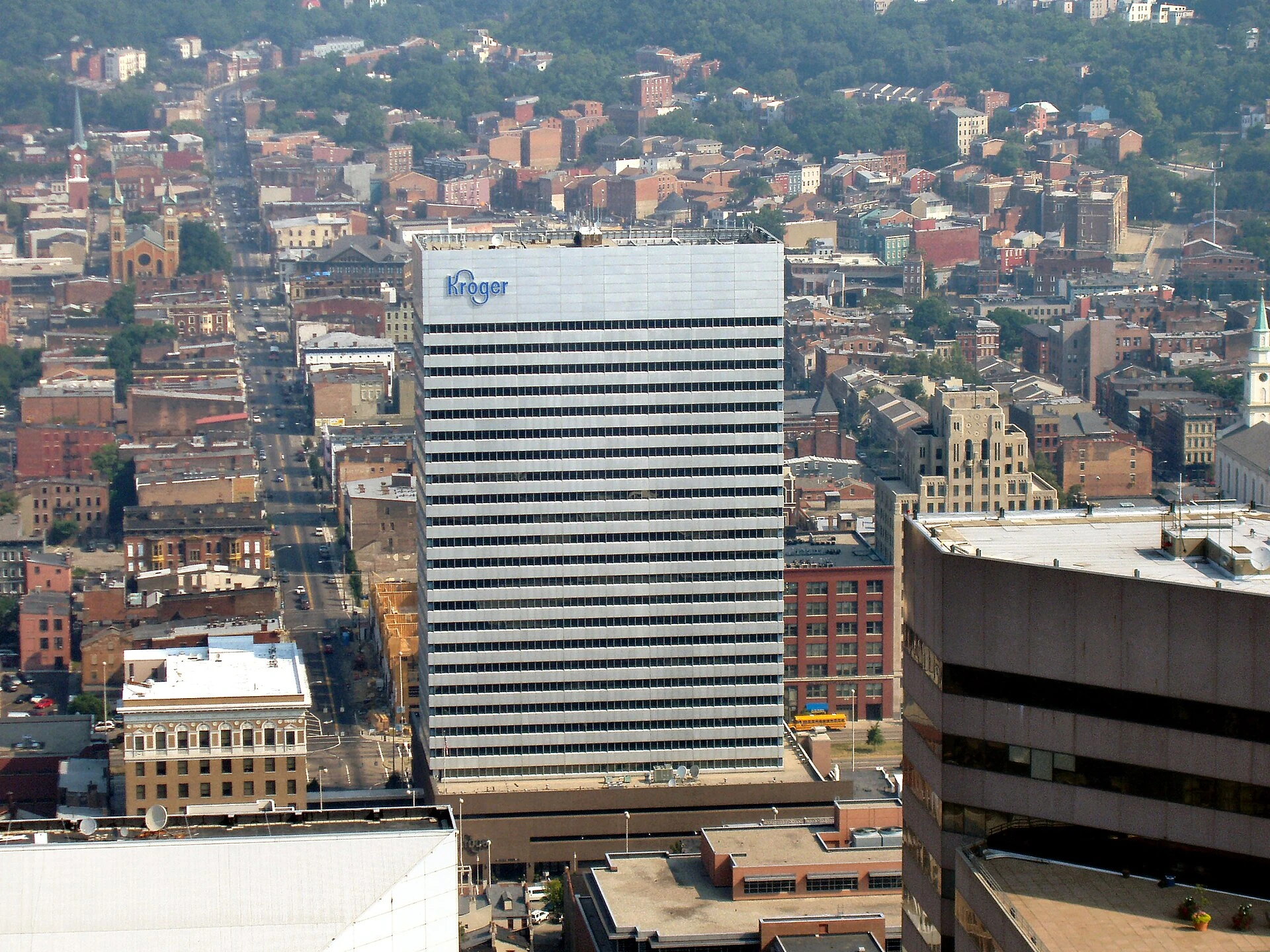
That persistence rests on a market still widely expected to grow. PwC estimated in 2024 that the U.S. drone market would expand 65% a year through 2034, a forecast that underscores why companies keep returning to the space despite the labor, weather, density, and approval barriers that have slowed real-world deployment. For grocery delivery, the problem has not been drone technology alone. It has been building a route, a labor model, and a regulatory path that can survive outside the pilot stage.
Sources
- [1]usnews.com
- [2]ir.kroger.com
- [3]faa.gov
- [4]ecfr.gov