World
Kumamoto's quake lessons reshaped Japan's building safety and rescue training
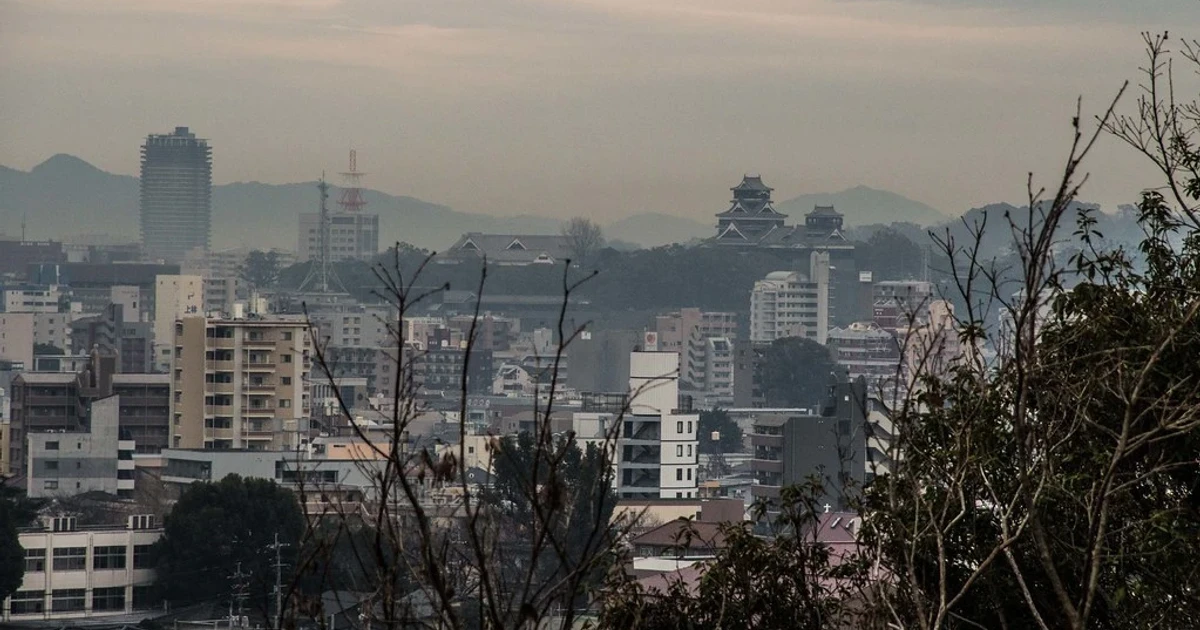
The Kumamoto earthquakes forced Japan to treat building safety and rescue capacity as a public policy system, not a one-off repair job. The 2016 foreshock and main shock left 49 people dead in Kumamoto prefecture, thousands of homes destroyed, and losses measured in trillions of yen, then pushed local governments and universities to turn those lessons into standards, drills, and faster damage checks.
The loss that changed priorities
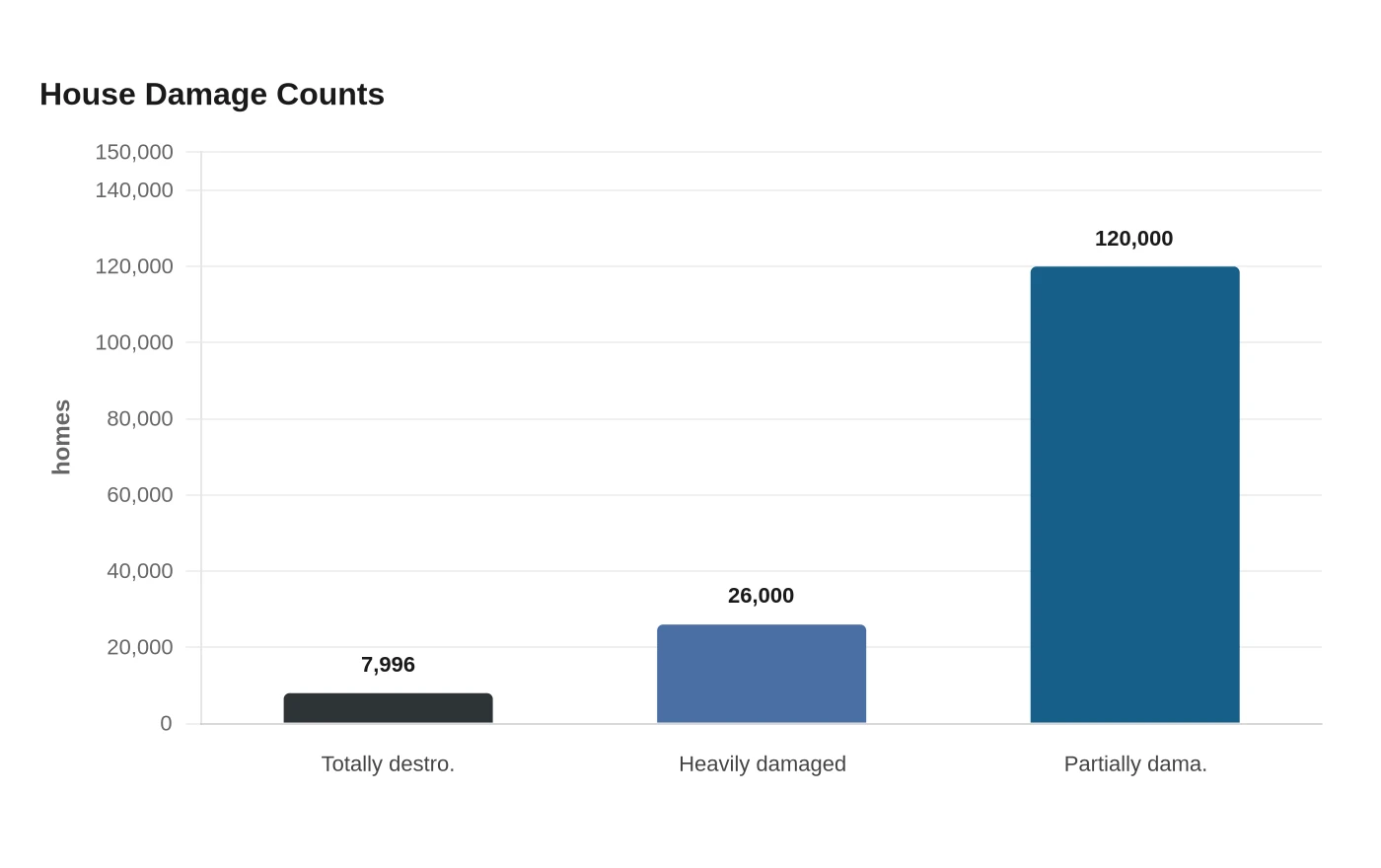
The Geotechnical Extreme Events Reconnaissance report dated the first major shock to April 14, 2016 and the main shock to April 16, 2016. It recorded magnitudes of 6.2 and 7.0, with both quakes reaching the highest level on Japan Meteorological Agency intensity scale in parts of Kumamoto Prefecture. A preliminary Asian Disaster Reduction Center assessment put the death toll at 49 in Kumamoto prefecture and said 7,996 houses were totally destroyed across Kumamoto and Oita prefectures.
Later academic summaries deepened the picture: more than 8,000 houses totally collapsed, about 26,000 heavily damaged, and 120,000 partially damaged. The same disaster carried direct economic losses estimated at ¥2.4 trillion to ¥4.6 trillion, or about US$24 billion to US$46 billion. A Kumamoto City publication marking the 2026 anniversary said the disaster claimed 90 lives in the city alone, displaced up to 110,000 people, and damaged 130,000 homes, underscoring why the response moved beyond emergency relief into long-term preparedness.
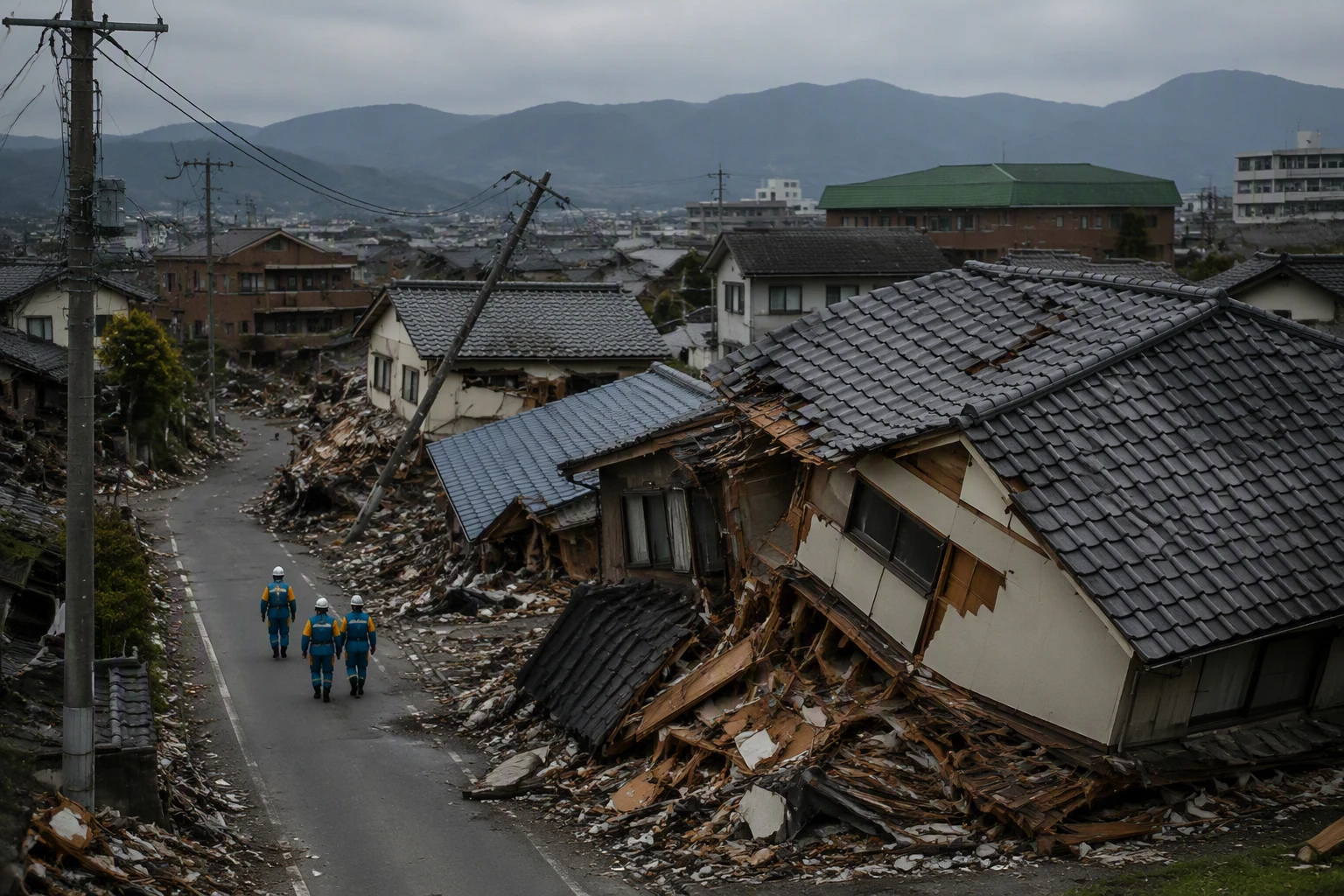
Two weeks after the first quake, about 90,000 people were still living in evacuation centers in Kumamoto. That scale of displacement made one lesson hard to ignore: a city can survive the shaking and still be overwhelmed if buildings, shelters, and local response systems are not ready for the days after the first collapse.
Why seismic isolation became a central answer
Engineering reviews found that seismically isolated buildings generally performed well in the 2016 Kumamoto earthquakes and avoided collapse, although some nonstructural damage occurred. One paper from Fukuoka University, by Mineo Takayama and Keiko Morita, said Japan had more than 4,000 seismically isolated buildings, including offices, condominiums, hospitals, and detached houses. That matters because it shows the measure was not experimental anymore; it was a deployable standard with uses far beyond prestige projects.
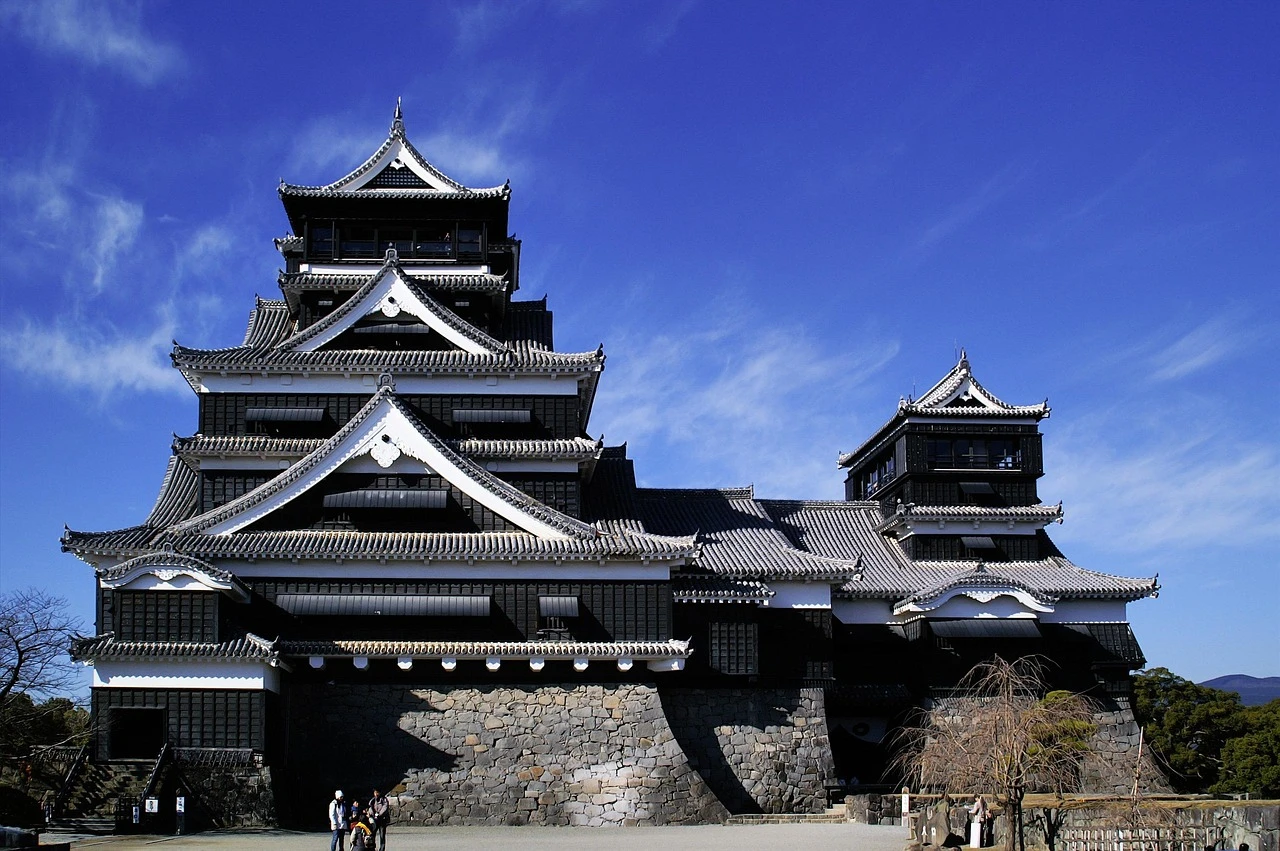
The practical value is straightforward. Seismic isolation gives a building a controlled way to move with the ground instead of absorbing the full force of the quake, which is why hospitals and other critical facilities have become a priority for the technology. The Kumamoto experience also exposed what the system does not solve on its own: furniture still fell, and nonstructural damage still interrupted use, so anchoring interiors and protecting equipment became part of the same safety conversation.
For regions that want a realistic model, the Kumamoto lesson is not to copy a single structure type. It is to pair code-compliant construction with targeted seismic isolation for critical buildings, then treat interior safety and utility continuity as design requirements rather than afterthoughts.
Local training turned response into a routine
Kumamoto did not stop at stronger buildings. Kumamoto University said it established a Disaster Countermeasures Headquarters immediately after the earthquakes to confirm safety and assess building damage, a move that turned institutional self-checks into a first response tool. That kind of rapid internal triage matters for universities, city halls, schools, and hospitals because it quickly separates usable structures from those that need evacuation or repair.
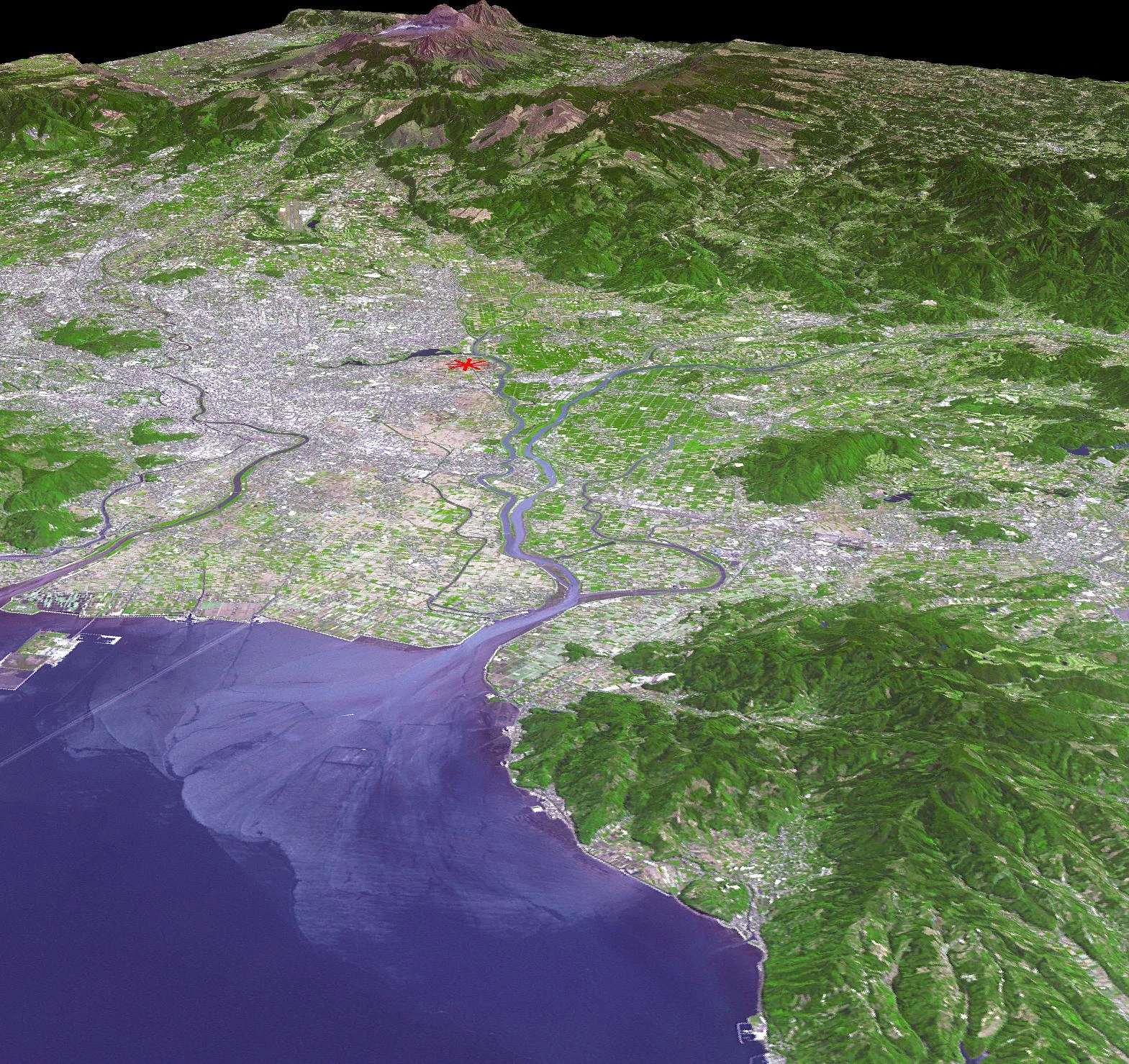
The city also trained for the exact conditions that had produced the worst losses. A Kumamoto City special disaster-prevention drill on May 8, 2026 included operation training of the local command headquarters, rescue training from collapsed buildings, and prevention training related to building fires. Those drills match the 2016 experience closely: first comes command, then structural rescue, then the fire risk that follows damaged gas lines, electrical faults, and blocked streets.
This is the model other quake-prone regions can adopt without building a new bureaucracy from scratch: • Train local command headquarters to take over quickly when communications fail. • Practice rescue from collapsed buildings, not just generic evacuation. • Include fire-prevention drills tied to damaged buildings and utilities. • Run post-quake building checks as an operational routine, not a paperwork exercise.
Institutional memory kept the lessons alive
Kumamoto Prefecture and Kumamoto University both produced recovery materials that reviewed, recorded, and verified the lessons from the earthquakes. That matters because disaster memory fades quickly once rebuilding begins, and without a formal record the same mistakes reappear in the next emergency. A 2019 recovery video said the prefecture was still conveying its reconstruction efforts three years later and expressing gratitude for support from around the world, showing that recovery messaging was tied to rebuilding, not just commemoration.
The engineering side also benefited from field work led by Katsu Goda, with colleagues including Emily So and Yoshihiro Okumura, in a report on the Kumamoto earthquakes of 14 and 16 April 2016. Their work, alongside Japanese researchers and institutions, helped translate what happened in collapsed neighborhoods and standing towers into usable lessons about performance, damage patterns, and response priorities. That combination of local administration, university capacity, and structural engineering expertise is what made the Kumamoto response more than a memorial exercise.
The clearest blueprint from Kumamoto is simple: invest before the shaking in better-placed seismic isolation, rapid damage assessment, and command-center drills, then keep the institutional record alive after the sirens stop. Japan’s experience shows that when those pieces are connected, the next quake still causes damage, but it does not have to produce the same human cost.
Sources
- [1]nytimes.com
- [2]adrc.asia
- [3]geerassociation.org
- [4]istructe.org
- [5]atcouncil.org
- [6]pubs.aip.org
- [7]ewww.kumamoto-u.ac.jp
- [8]city.kumamoto.jp
- [9]en.nippon-foundation.or.jp
- [10]www3.nhk.or.jp
- [11]bbc.com
- [12]pbs.org