Politics
Labour accuses Conservatives of rewriting history on defence cuts
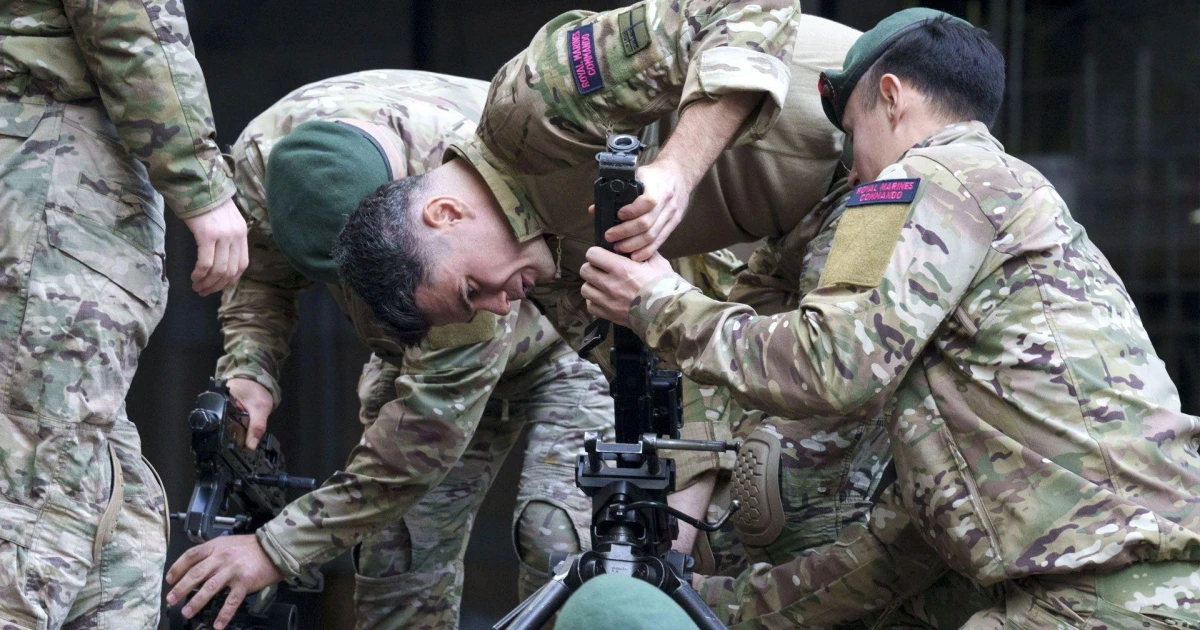
Labour has accused the Conservatives of trying to “rewrite history” on defence after the party paired a promise to grow the reserve forces to 50,000 with a tax incentive aimed at new recruits. The challenge lands at a sensitive moment for the armed forces, with official Ministry of Defence figures showing trained Future Reserves 2020 personnel fell to 29,570 at 1 April 2024, down 790, or 3%, on the year.
The same statistics showed the total strength of UK Armed Forces at 183,230, down 5,590, or 3%, from 1 April 2023. New joiners to Future Reserves 2020 rose to 3,930 over the previous 12 months, up 360, or 10%, but that increase did not prevent the trained reserve total from slipping. That leaves the Conservatives arguing for expansion while confronting a record that still shows a smaller force than a year earlier.

The party’s pitch has been folded into a broader tax-cutting message and comes alongside its separate election pledge for a form of National Service for 18-year-olds, offering military or volunteering options. But the practical test is whether a tax break and a headline target can solve recruitment and readiness problems that have been building for years, or whether the plan simply creates a more attractive slogan than a sustainable manpower strategy.
A Ministry of Defence Reserve Forces Review 2030 paper said the reserves were much improved since the 2010 Strategic Defence and Security Review and the Future Reserve 2020 programme, but it also stressed the need for continued investment. That warning sits uneasily with Labour’s attack line, which casts the Conservatives as seeking credit for defending the armed forces after years in office in which opposition figures say capability was allowed to weaken.

The pressure on ministers is sharpened by the findings the External Scrutiny Team said were recorded in a 2024 House of Commons Defence Committee report. It said the Chief of the General Staff, the Chief of the Defence Staff and the Minister for the Armed Forces all acknowledged that the reserve could not currently provide the mass required in wartime.

The wider defence debate has also been framed by ex-military chiefs, who in 2024 warned that Britain faced its “gravest threats since the Cold War” and urged parties to commit to spending at least 2.5% of GDP on defence each year of the next Parliament, with a longer-term goal of 3% by 2030. That makes the Conservatives’ reserve promise more than a campaign flourish: it is a test of whether they can show a credible plan for staffing, training and readiness, or only a sharper line of attack on their opponents.