World
Labour Cabinet Divided as Calls Grow for Starmer Exit Plan
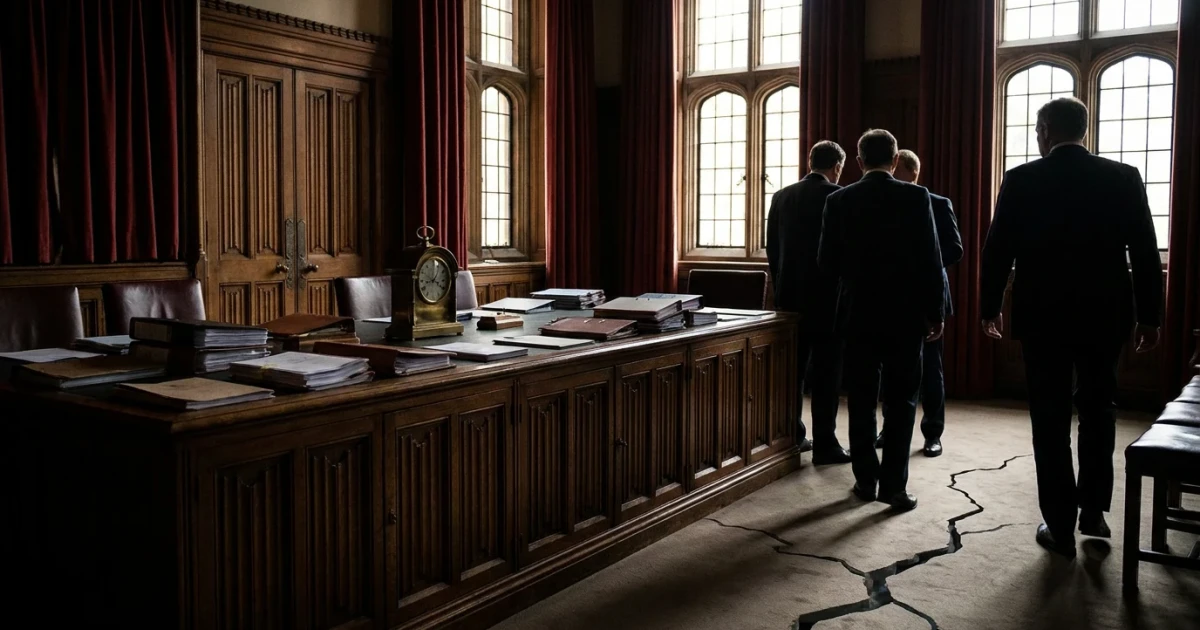
Labour leader Keir Starmer faces mounting pressure after a visible split emerged within his cabinet, with Home Secretary Shabana Mahmood and other senior ministers publicly calling for him to set out a clear timetable for his resignation. The rift, first reported by the BBC, signals deepening divisions at the top of the Labour Party as Starmer struggles to retain the confidence of his team and MPs.
Cabinet Demands Clarity on Leadership Transition
The BBC reported that Shabana Mahmood, serving as Home Secretary, is joining a growing faction of cabinet members urging Starmer to provide a public roadmap for stepping down as party leader. This follows days of speculation about Labour's future direction after recent political setbacks and growing unrest among backbenchers and grassroots supporters.
While precise details of the internal cabinet deliberations remain undisclosed, Mahmood’s intervention marks a significant escalation, with multiple ministers now seeking a formal timetable for a leadership contest. The BBC noted that Starmer is "fighting to save his premiership as scores of Labour" figures express concern over the party’s stability and leadership.
Context: Labour’s Internal Challenges
The Labour Party has historically faced leadership challenges during periods of electoral underperformance or internal disputes. According to a House of Commons Library briefing, Labour’s rules require a formal nomination and voting process for any leadership contest, with the Parliamentary Labour Party and affiliated organizations playing key roles in the selection and transition. The most recent calls for Starmer’s resignation reflect ongoing debates about Labour’s strategic direction and public appeal.
Current cabinet records show a range of senior Labour figures, whose support is crucial for the leader’s survival. A visible split at this level, especially involving high-profile ministers like Mahmood, could accelerate leadership challenges or force a quicker resolution to the current impasse.
Electoral and Party Implications
- Labour’s leadership rules, as outlined in the official briefing, require a nomination threshold from MPs before triggering a formal contest.
- Past election results demonstrate that party infighting can affect voter confidence and turnout, impacting Labour’s prospects in the next general election.
- The Institute for Government explains that leadership challenges in UK parties often follow internal splits, with public calls for resignation accelerating leadership transitions.
What Comes Next for Labour?
As Starmer weighs his options, Labour faces several possible scenarios: a negotiated leadership transition with a set timetable, an abrupt resignation triggering an immediate contest, or a drawn-out internal battle that could undermine party unity. The involvement of senior cabinet members like Mahmood increases the likelihood of a formal process being initiated in the coming days.
Labour’s future direction will depend on how the party manages this internal conflict, with the outcome likely to shape its electoral fortunes and public image. As the cabinet split widens, party members and the public await Starmer’s response and a possible announcement outlining his plans for resignation and succession.