Politics
Labour faces backlash over North Sea drilling pledge
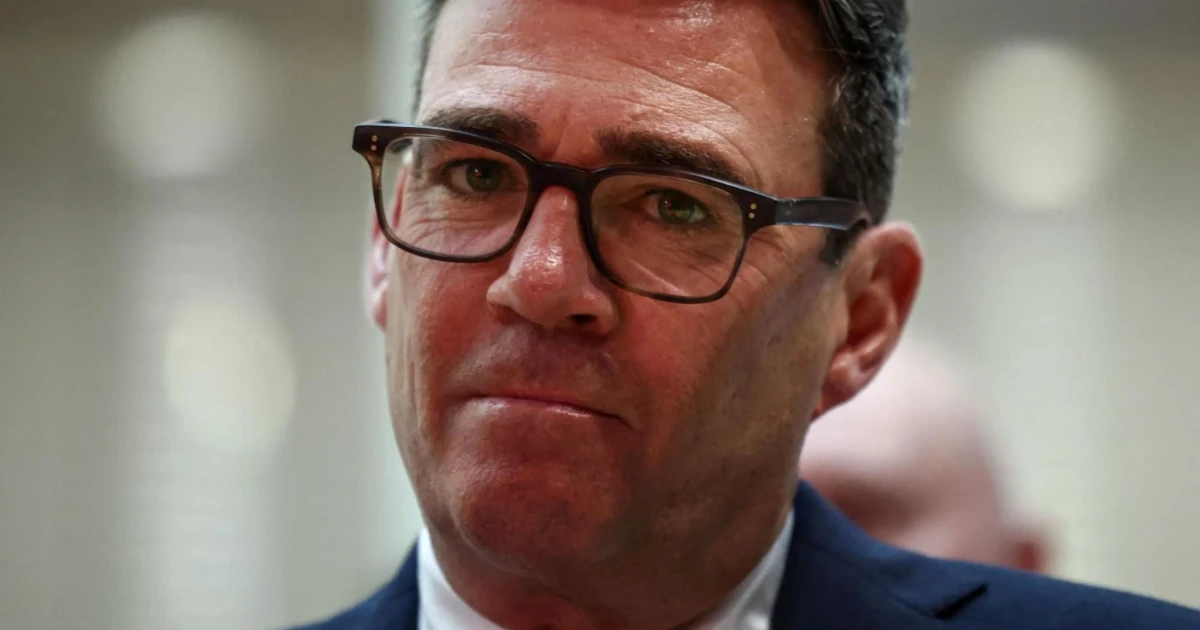
Labour’s 2024 manifesto pledged not to issue any new North Sea exploration licences, and that promise is now at the centre of a row over whether the party is reversing course or carving out an economic exception for drilling. The manifesto also framed Labour’s energy agenda around making Britain a “clean energy superpower,” putting climate policy and industrial policy on a collision course.
The dispute has already created legal and political pressure. After Labour’s election victory, the party was said to be grappling with a legal dilemma over an immediate ban on new North Sea licences because companies may have spent millions on their bids. That has sharpened scrutiny of how quickly any new restrictions could be imposed, and whether ministers would be vulnerable to challenge from firms that had already invested in the process.
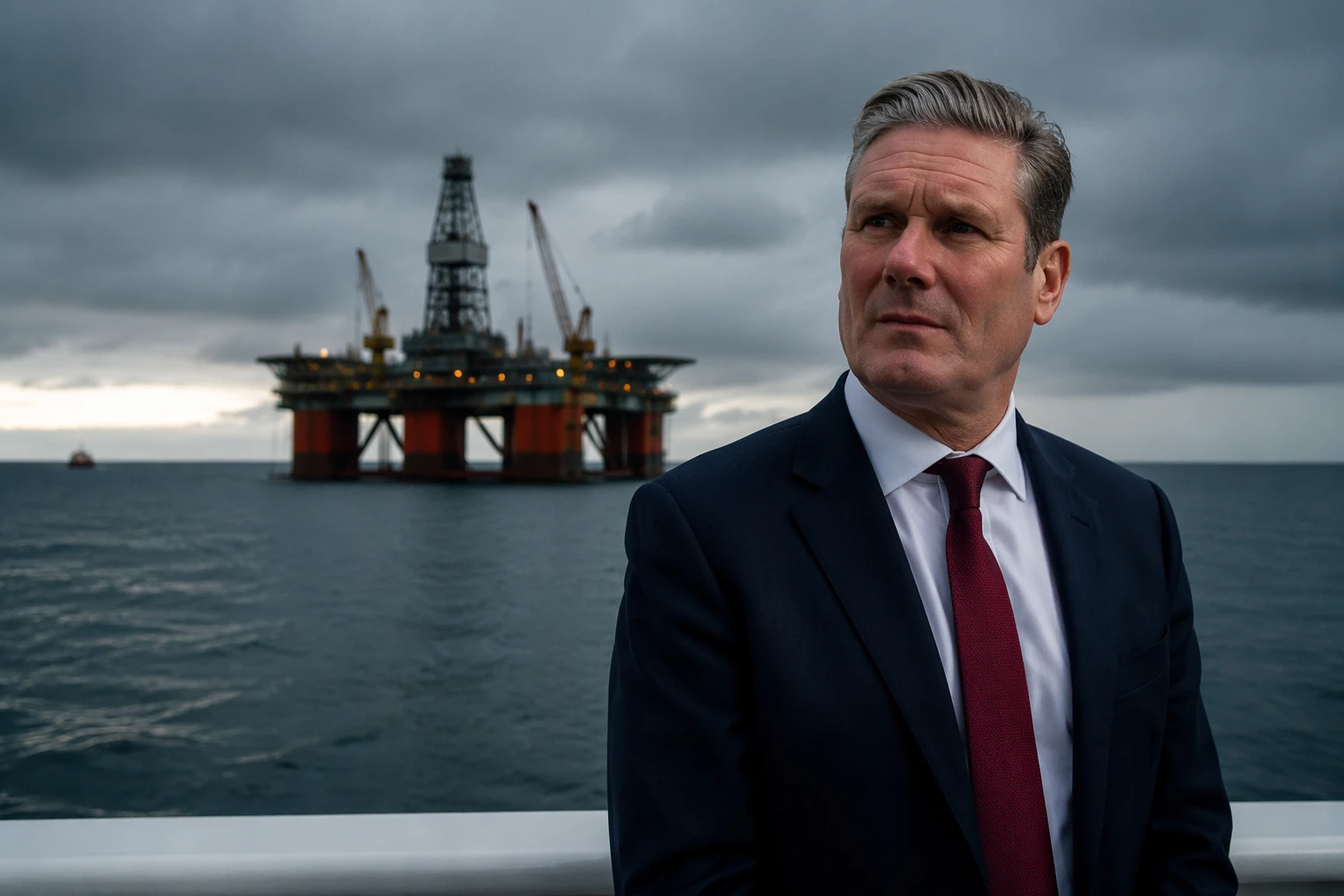
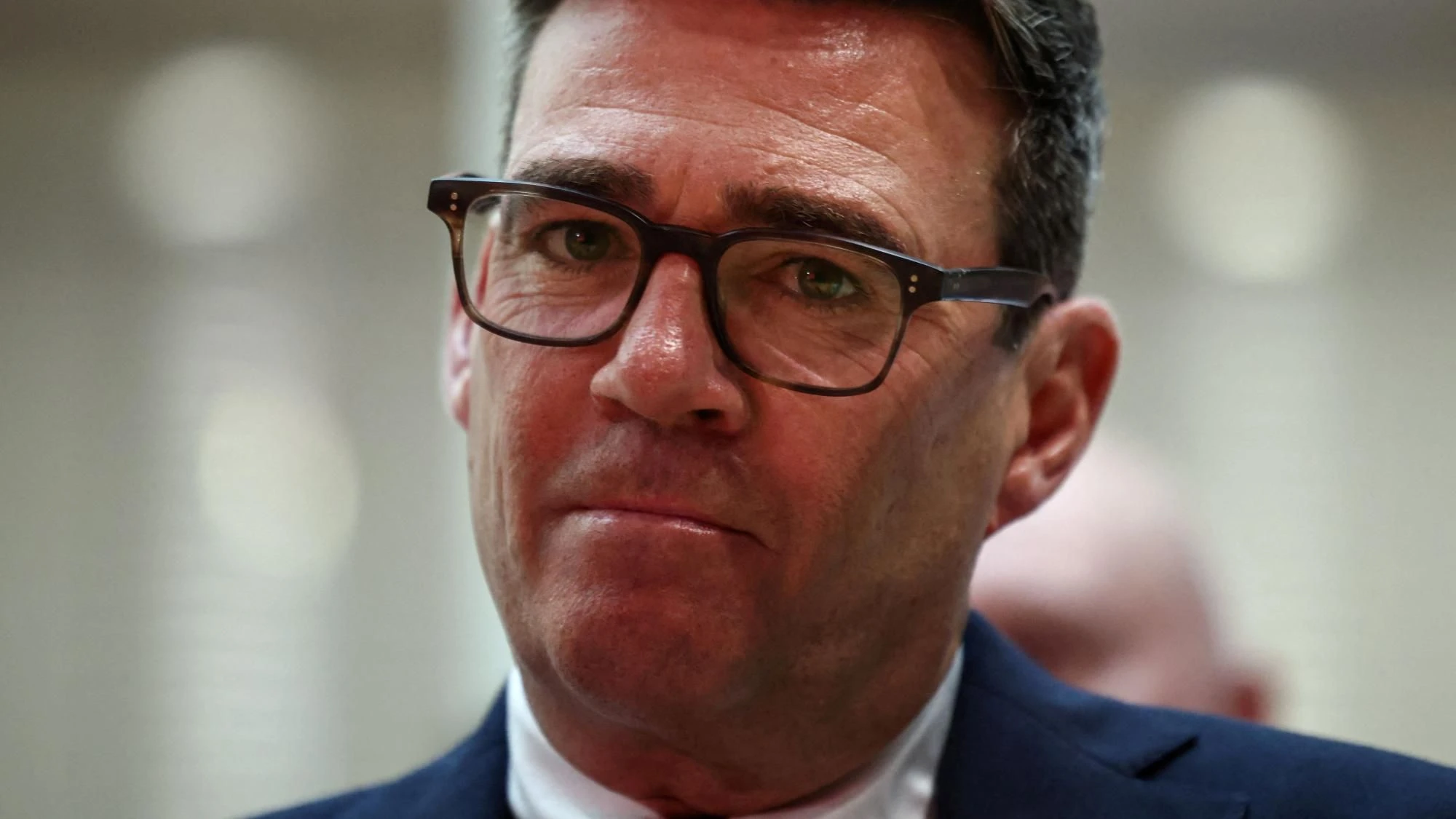
The argument is not just about law. Industry documents say the North Sea still provides thousands of jobs, generates revenue and helps protect the UK against energy shocks. That has made the basin a focal point in the wider debate over post-Ukraine energy security, with supporters of continued production arguing that the UK cannot afford to weaken domestic supply while global markets remain volatile. Aberdeen’s economic future has become part of that fight, with pro-industry voices warning that the city remains tightly bound to offshore activity.
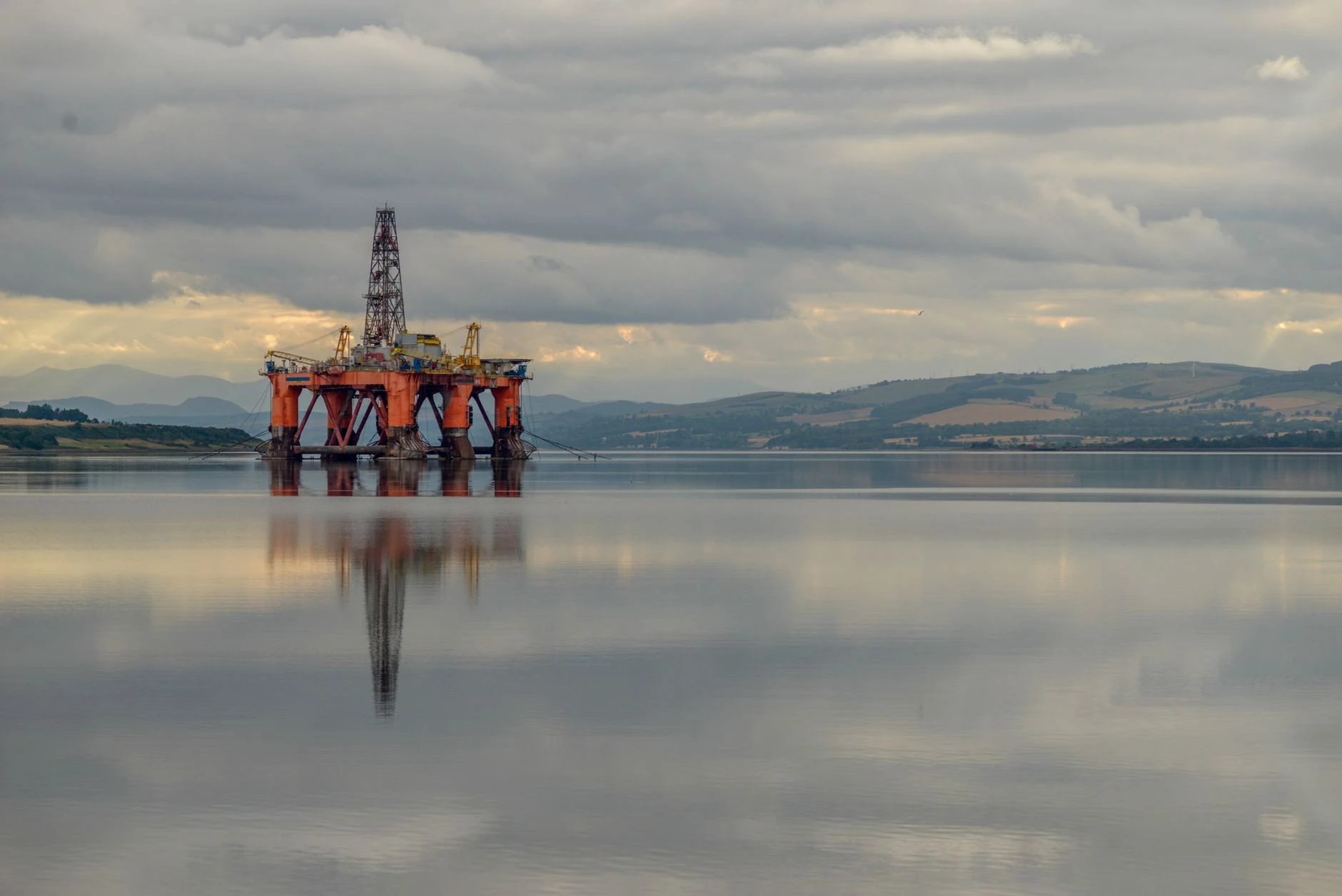

Labour’s own record makes the row harder to contain. A parliamentary research briefing said one of the party’s five missions for the 2024 general election was to make the UK a clean energy superpower, while the UK Energy Research Centre noted that Keir Starmer had already announced in 2023 that a Labour government would grant no new oil and gas licences in the North Sea. On the other side, Kemi Badenoch circulated a claim that 1,000 jobs are lost every month in the North Sea oil and gas sector because of Labour’s ban on new drilling licences, a figure that has become part of the backlash even as the broader argument over jobs and climate intensifies. The controversy now stands as an early test of how a Burnham-led Labour government would balance industrial policy, climate policy and energy security.