Politics
Labour faces pressure over North Sea drilling and jobs plan

Andy Burnham’s push for new North Sea drilling collides with Labour’s most important climate promise: no new oil and gas licences. The clash has exposed a sharper question inside center-left climate politics, whether energy security and industrial pragmatism are being used to redraw the party’s environmental red lines.
Labour’s pledge and the contradiction at its core
Labour’s 2024 manifesto, branded “Make Britain a Clean Energy Superpower,” set out a direct political bargain: cut bills, create jobs and deliver security through cheaper, zero-carbon electricity by 2030. It also said the party would not issue new oil and gas licences for the North Sea, a line designed to signal a cleaner break with the old energy model without promising an immediate shutdown of existing production.
Labour would leave current licences in place while working with the sector on the transition, making the manifesto a compromise rather than an outright ban on North Sea output. Burnham’s drilling push tests whether that compromise can survive pressure from Labour’s own rank and file, the unions that represent energy workers, and voters who are still split over the role of fossil fuels in Britain’s energy future.
Why the North Sea remains politically potent
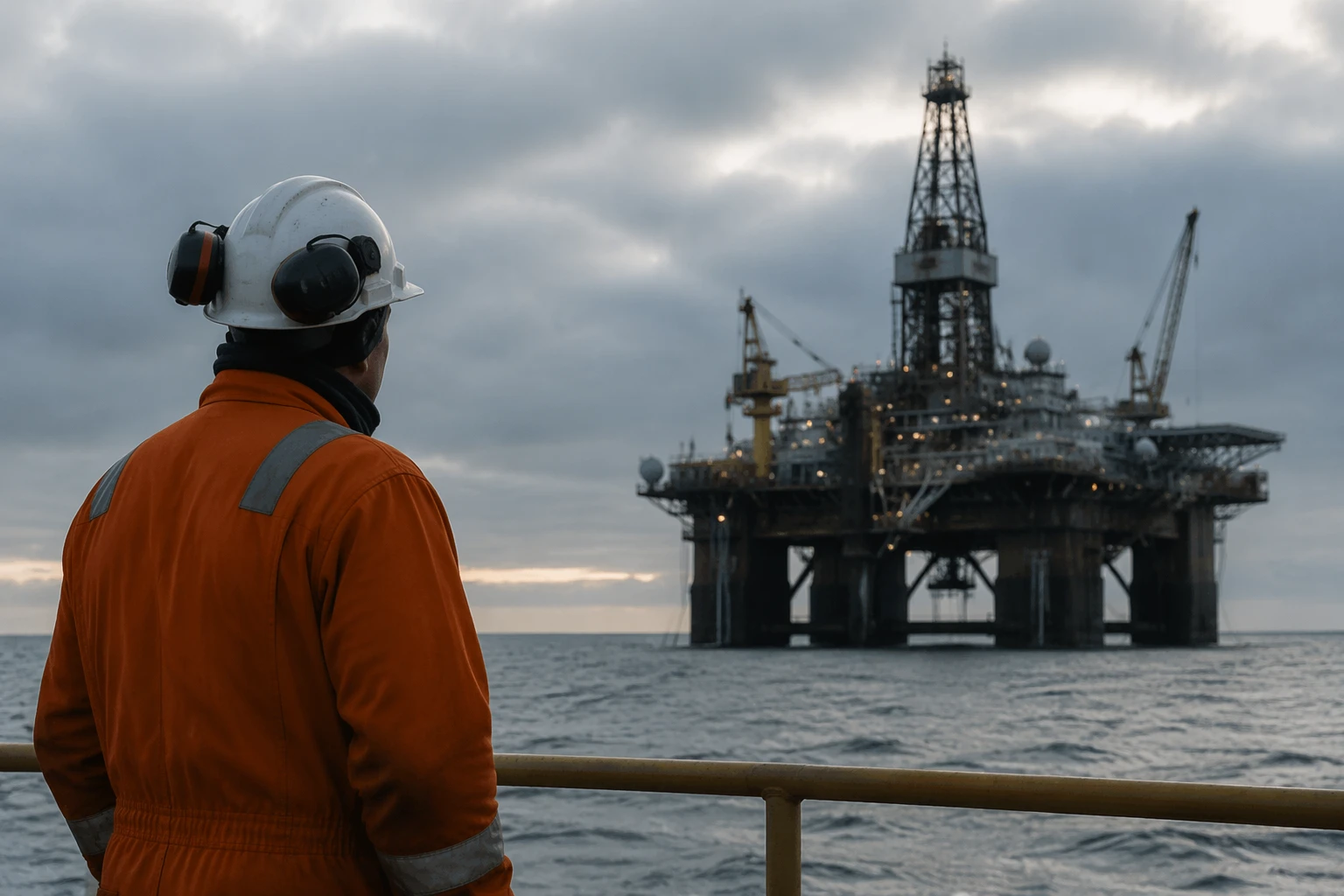
The North Sea is no longer the dominant source of oil for the UK, but it still carries enormous political weight. The industry is in its sixth decade of offshore production and directly employs over 30,000 people in the private sector. Offshore Energies UK says it supported just over 120,000 jobs directly or indirectly in 2023, with a further 85,000 jobs supported in the wider economy. The offshore energy sector contributes more than £25 billion to the UK economy and sustains over 200,000 skilled jobs.
North Sea policy can move quickly from climate strategy to industrial politics. The jobs are concentrated in supply chains, fabrication, engineering and servicing work that reaches far beyond the rigs themselves, including north-east Scotland and other coastal communities tied to offshore employment. Any move to restrict new drilling therefore lands as a question not just of carbon, but of local economic continuity and the pace of transition.

In 2024, just 7.7% of the oil used in UK refineries to make petroleum products came from the UK Continental Shelf, down from 50% in 1996, according to Parliament’s POST briefing. That long slide undercuts the argument that more drilling would restore energy self-sufficiency, even if it does not erase the political force of preserving jobs while the basin shrinks.
Unions, industry and the language of jobs
Labour is being squeezed from both sides of the argument. Industry groups and commentators have pressed the party to rethink its position, while climate-focused voices and the Green Party have called for tougher action and a clearer end to new drilling. The debate is not simply about whether to drill, but about whether Labour can keep credibility with workers while drawing a harder line on new fossil-fuel extraction.
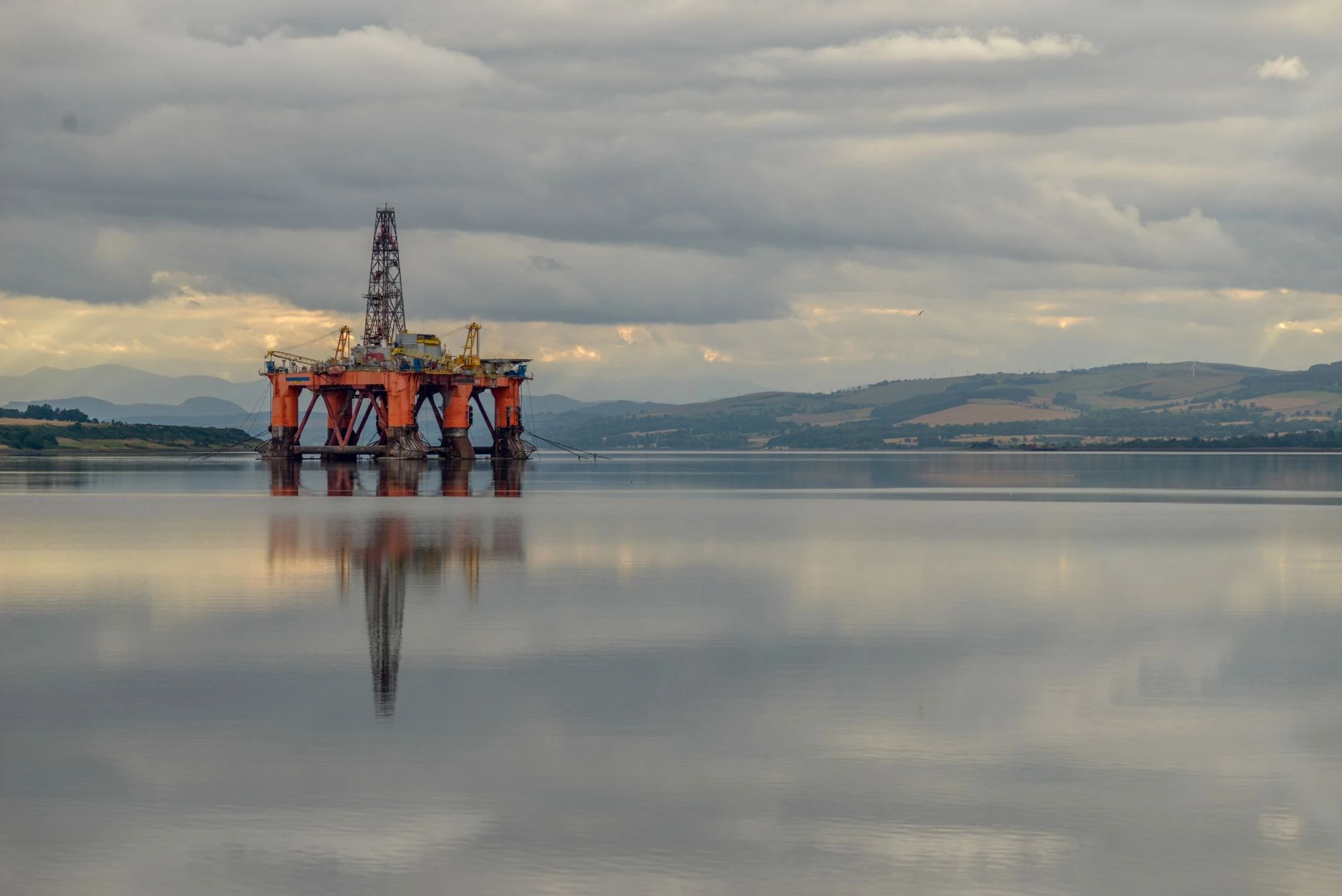
Unite’s general secretary, Sharon Graham, put that pressure into one line in May 2024 when she warned that oil and gas workers risk becoming “the coal miners of our generation” if Labour bans new licences without a jobs plan. The warning turns climate policy into an employment test: a party can promise a managed transition, but it cannot expect workers to trust it unless the transition is visible, funded and specific.
If a senior Labour figure signals openness to more North Sea drilling, the justification will almost certainly rest on jobs, supply resilience and industrial realism. But unless those claims are matched by a concrete replacement plan for offshore work, they risk sounding like a way to delay the party’s clean-energy commitments rather than a serious attempt to implement them.
Public opinion and the legal limits of an outright ban

The political room for maneuver is narrower than either side would like. The public is split, with 24% wanting the government to maintain its ban on new oil and gas developments and 49% wanting new licences granted. That gap shows why Labour’s North Sea stance remains vulnerable to attacks from both environmental campaigners and pro-development critics.
In July 2024, Labour faced a legal dilemma over an immediate ban on new North Sea licences. Policy here is not just about political will, but about how far a new government can go without reopening existing licences or triggering complications around the transition framework it inherited.
Sources
- [1]bbc.co.uk
- [2]labour.org.uk
- [3]insider.co.uk
- [4]oeuk.org.uk
- [5]ukeiti.org
- [6]post.parliament.uk
- [7]theguardian.com
- [8]the-independent.com
- [9]greenparty.org.uk
- [10]bbc.com