Politics
Labour front-runner says English teacher convinced him to choose Cambridge
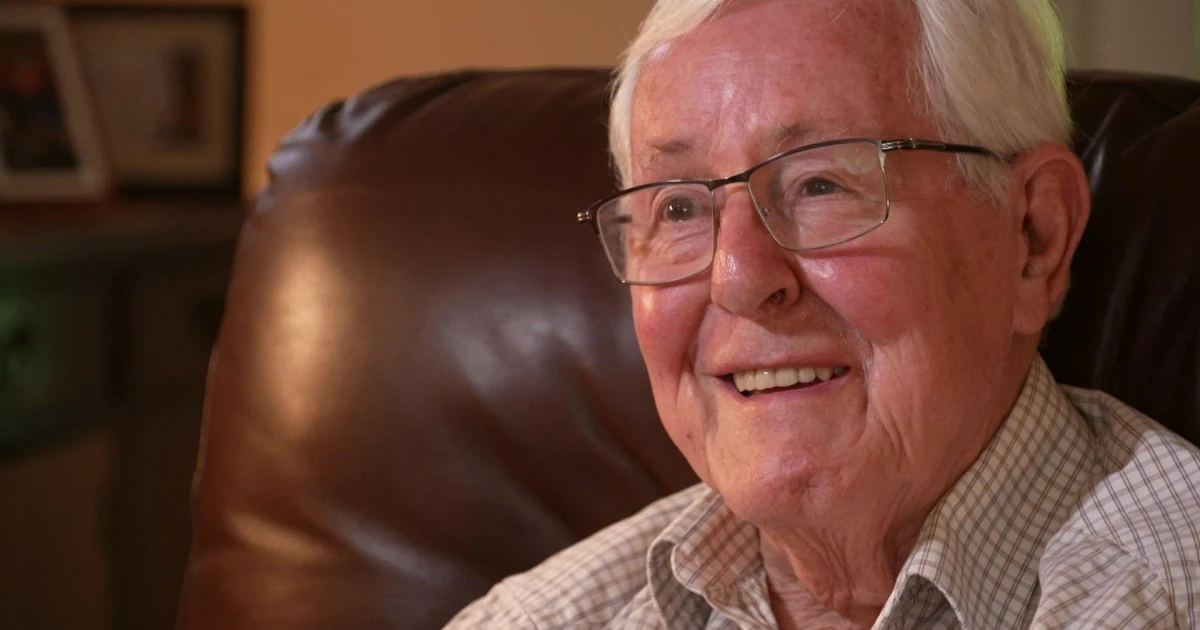
Steve Harrington, who taught Andy Burnham English in the late 1980s, said he had to persuade the future Labour heavyweight to apply to Cambridge University. Burnham has said Harrington did more than nudge an application, he boosted his confidence at school and changed his view of where someone from his background could study.
Burnham has said Cambridge did not feel like a place for someone like him before Harrington urged him forward. He went on to read English at Fitzwilliam College, Cambridge, graduating in 1991, after being educated at St Aelred’s Roman Catholic High School in Newton-le-Willows. Burnham has also said that once he arrived at Cambridge, he struggled at times to feel part of things, a reminder of the social and cultural adjustment that can confront students from working-class backgrounds at elite universities.

The teacher’s influence now sits alongside Burnham’s national political profile. He was first elected Mayor of Greater Manchester in May 2017, won re-election in 2021 and carried every ward in Greater Manchester. He has also returned to Westminster as the Labour MP for Makerfield, taking up the seat on 18 June 2026. Burnham’s route from a school in north-west England to a prominent position in Labour has made his education central to the way his career is being read, especially by those watching the party’s next leadership battle.

That focus has also pulled in the University of Cambridge itself. On 24 June 2026, the Cambridge Faculty of English highlighted commentary from Chancellor Lord Chris Smith arguing that studying English develops human insight, empathy and critical thinking. The timing gave extra weight to Burnham’s own path, because his degree in English was not just a personal qualification but part of a larger argument about who benefits from elite education and what it can do for social mobility.
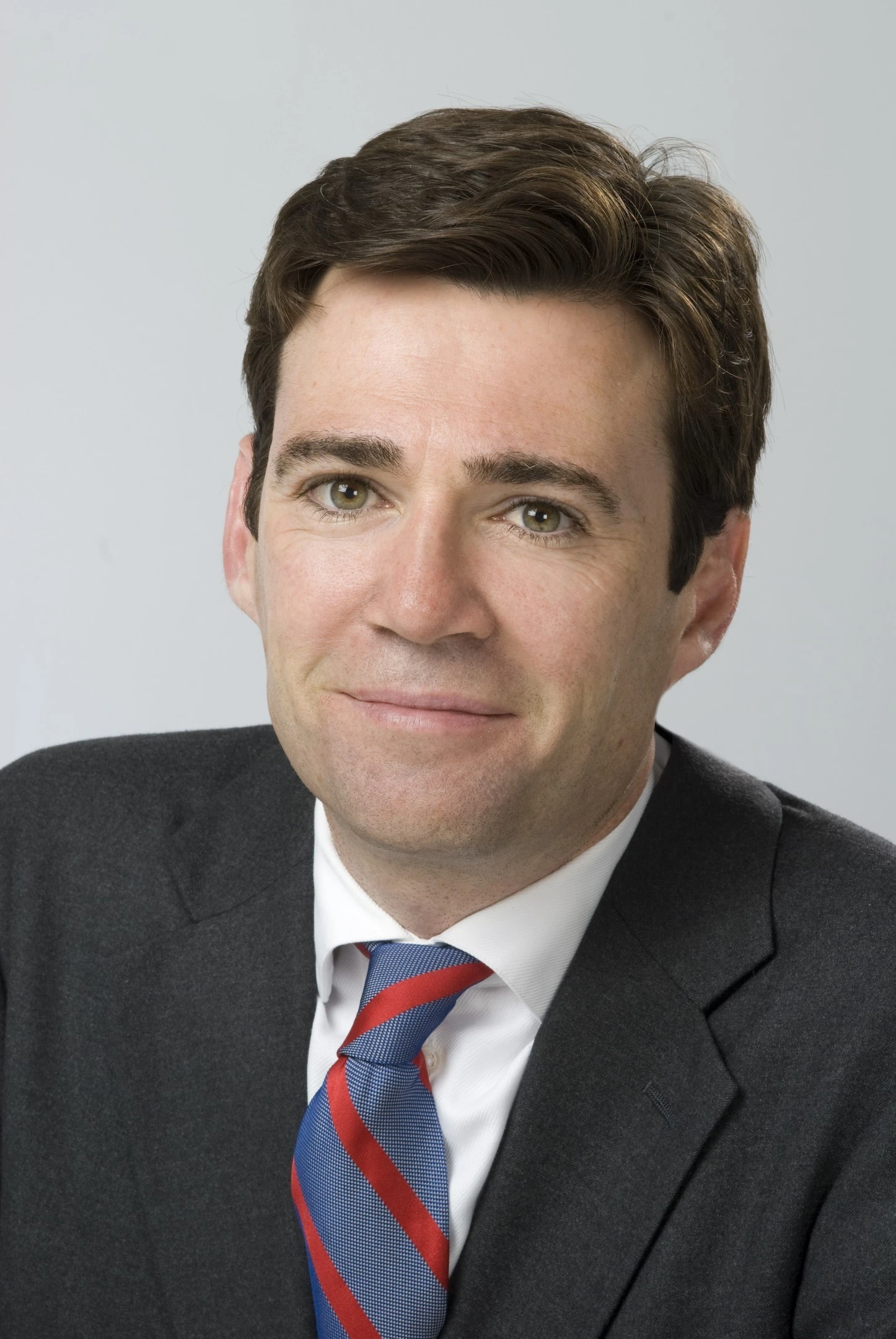
Burnham’s story is now being used to test that argument in real life. Harrington’s encouragement helped move a pupil from hesitation to application, and Burnham’s later career shows how a single teacher’s intervention can alter the educational and political trajectory of a student who once assumed Cambridge was not meant for him.