Politics
Labour MPs begin choosing Starmer successor as Burnham eyes Number 10
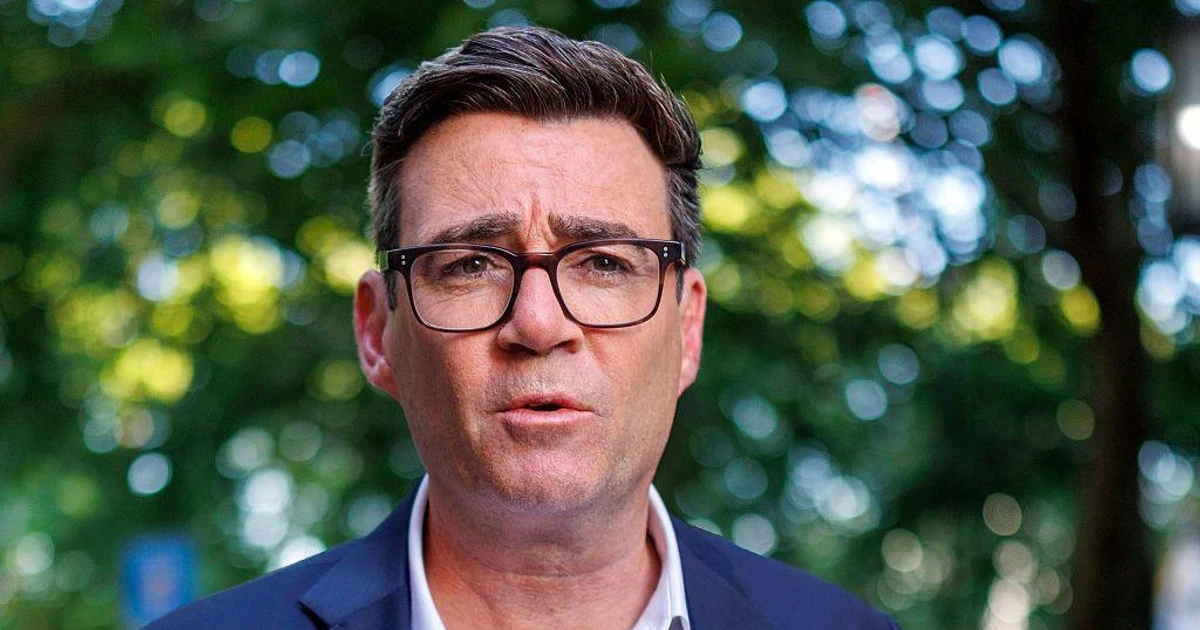
Labour published its 2026 leadership timetable on 25 June, setting the stage for MPs to choose Sir Keir Starmer’s successor after he announced his intention to resign. Starmer was due to remain leader of the Labour Party and Prime Minister until the contest concluded. That left one central question hanging over the party: whether Andy Burnham, now both Mayor of Greater Manchester and Labour’s MP for Makerfield, could turn a powerful city-region record into a route to Number 10.
Burnham was first elected mayor in May 2017 and went on to win re-election in 2021 and again on 2 May 2024. In that contest he secured 420,749 votes, 63.4% of the total, on a 32.05% turnout. Greater Manchester Combined Authority says the mayor is the directly elected leader of the city-region, with responsibility for strategic governance across transport, housing, policing and skills. The post also carries £30 million a year for 30 years from 2017 in government investment, giving Burnham a platform that few Labour politicians outside London can match.
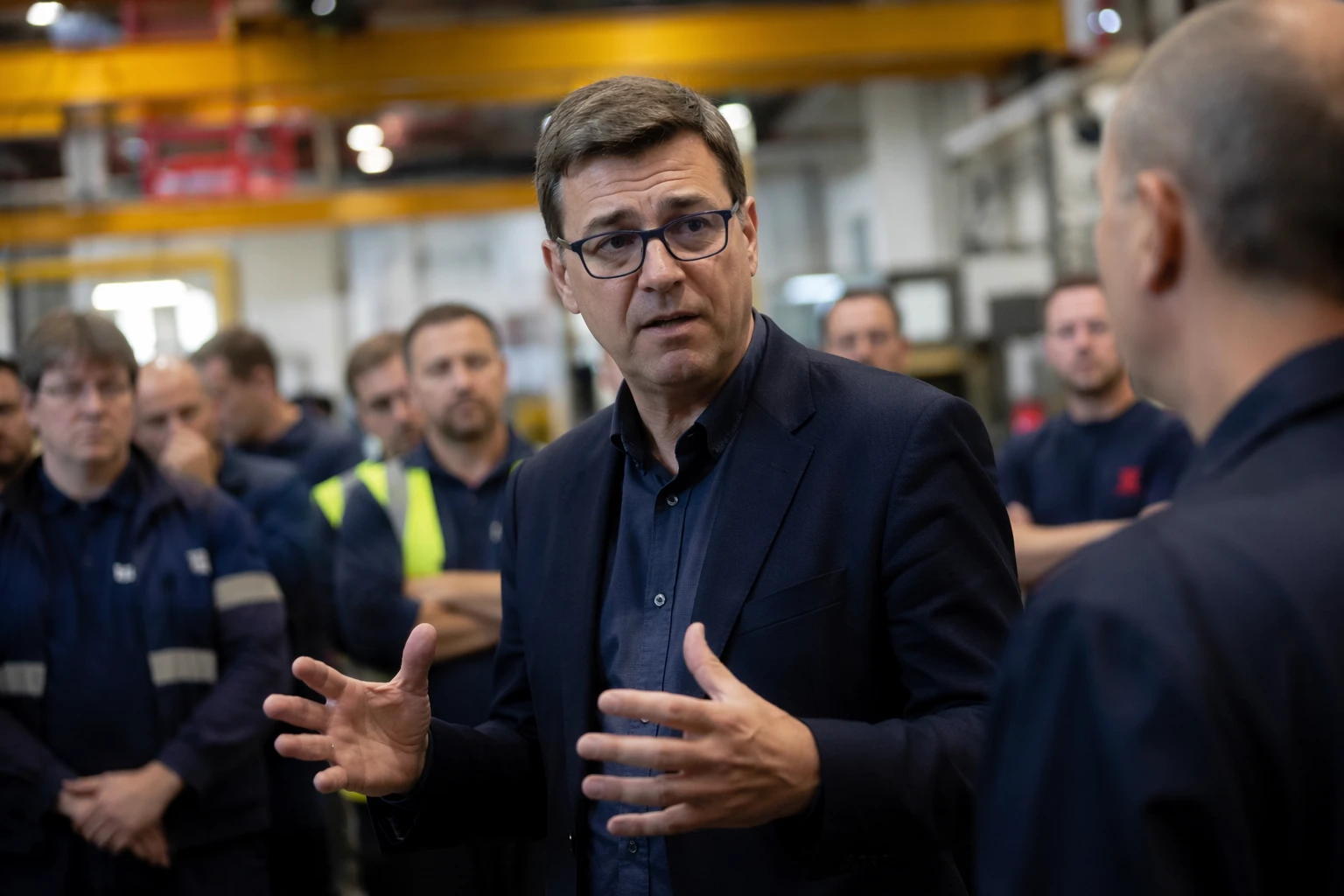
Burnham has said the mayoralty gives him a base on devolution, transport, housing, policing and social policy. That breadth matters because Labour MPs and members are now weighing not just personality but governing proof, and the Greater Manchester job offers one of the clearest tests in the party of whether local power can translate into national authority. The role was created as part of English devolution, and it was designed to carry real executive weight rather than ceremonial visibility.
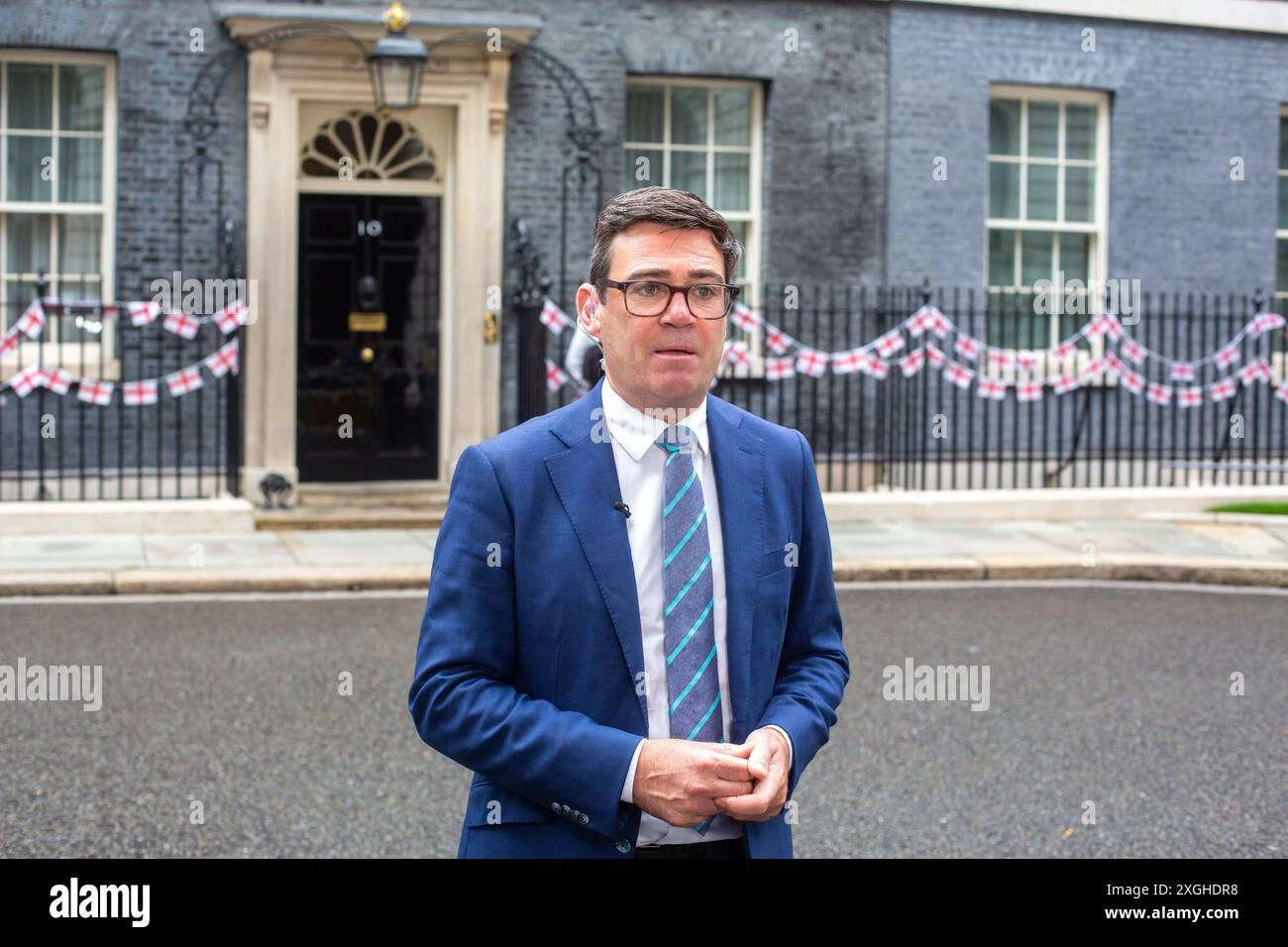
His national ambitions are not new. Burnham contested the 2015 Labour leadership election and lost to Jeremy Corbyn, a defeat that kept him in the conversation as a high-profile figure on Labour’s left. Parliament now lists him as the Labour Co-op MP for Makerfield, with his current parliamentary career beginning on 18 June 2026 after he won the seat the previous month. That adds a Westminster base to a profile built in Greater Manchester, where his mandate in 2024 was substantial even on a relatively low turnout.
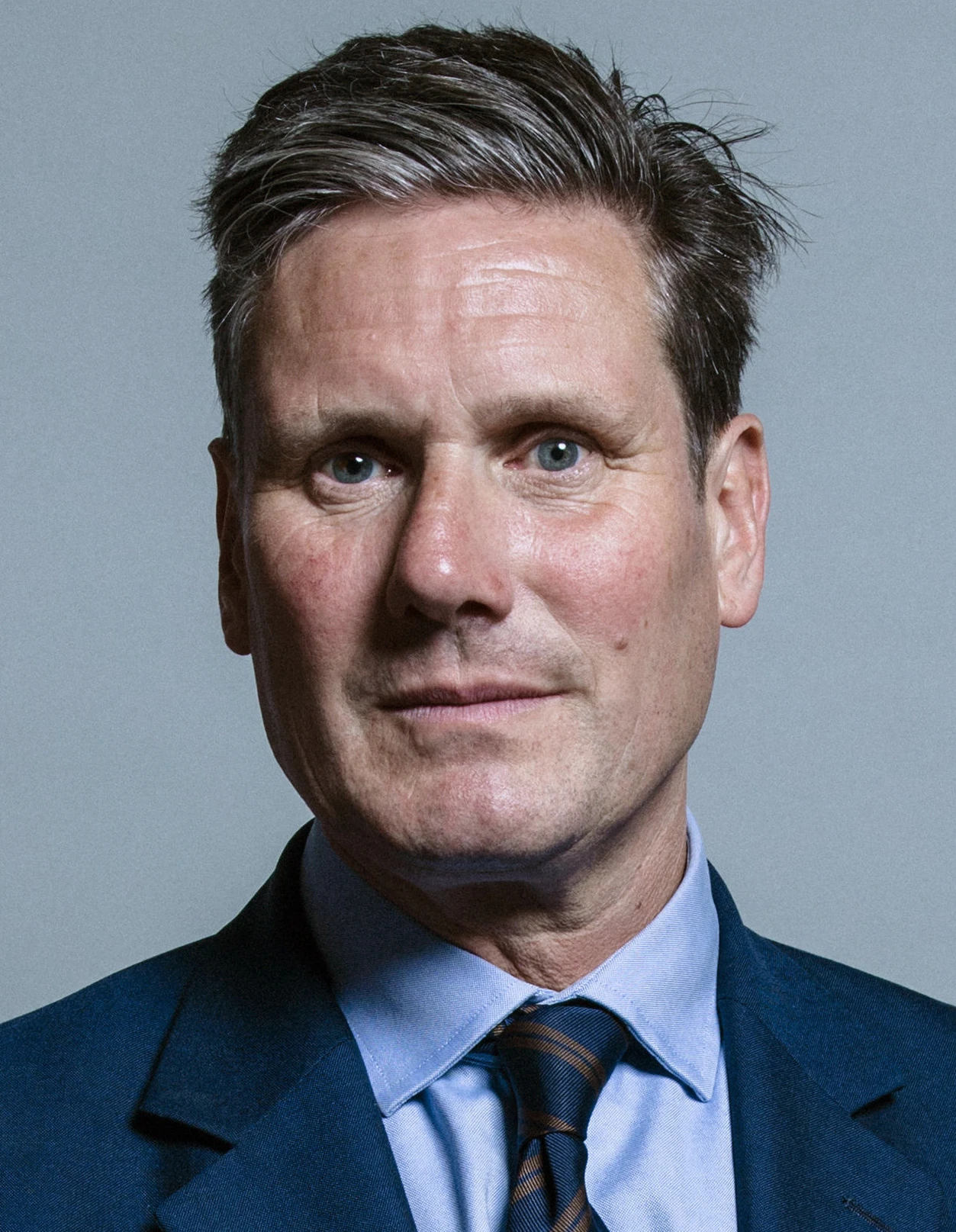
For Labour, Burnham’s challenge is not simply fame, but whether a mayoralty shaped by transport, housing, policing and social policy can be read as preparation for the wider demands of government. The leadership contest will show whether the party wants a prime minister-in-waiting forged in the machinery of devolution, or one whose authority comes first from Westminster.