World
Lai warns Taiwan cadets against China spying and infiltration
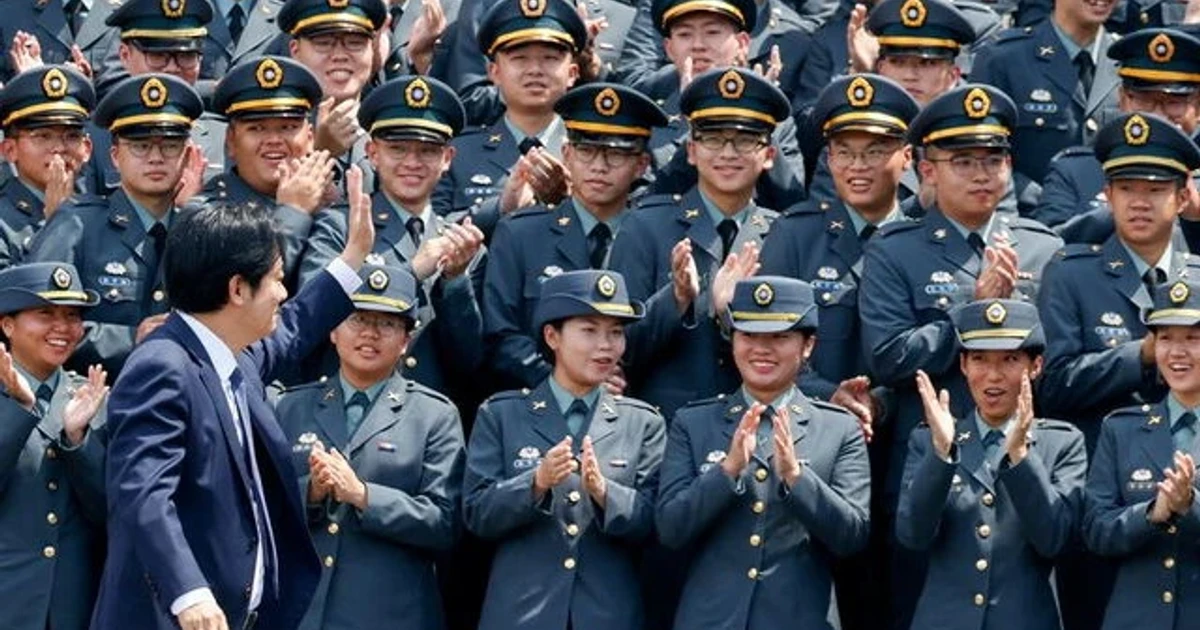
Taiwan President Lai Ching-te warned graduating cadets not to yield to China’s spying, infiltration, division and sabotage efforts as he addressed a military college built for the anti-communist fight. The ceremony at Fu Hsing Kang College in Beitou District, Taipei, turned a graduation into a warning about gray-zone pressure, with Lai urging the next generation of officers to defend freedom, democracy and a clear sense of friend and foe.
The setting gave the message added weight. Fu Hsing Kang College was established on July 15, 1951, after the defeated Republic of China government fled to Taiwan, and it was modeled after Moscow Sun Yat-sen University to train political commissars loyal to the Kuomintang. During the Cold War, it also trained officers from other anti-communist countries, and the campus still displays large Chinese characters painted by Chiang Kai-shek that frame national survival as a personal responsibility.
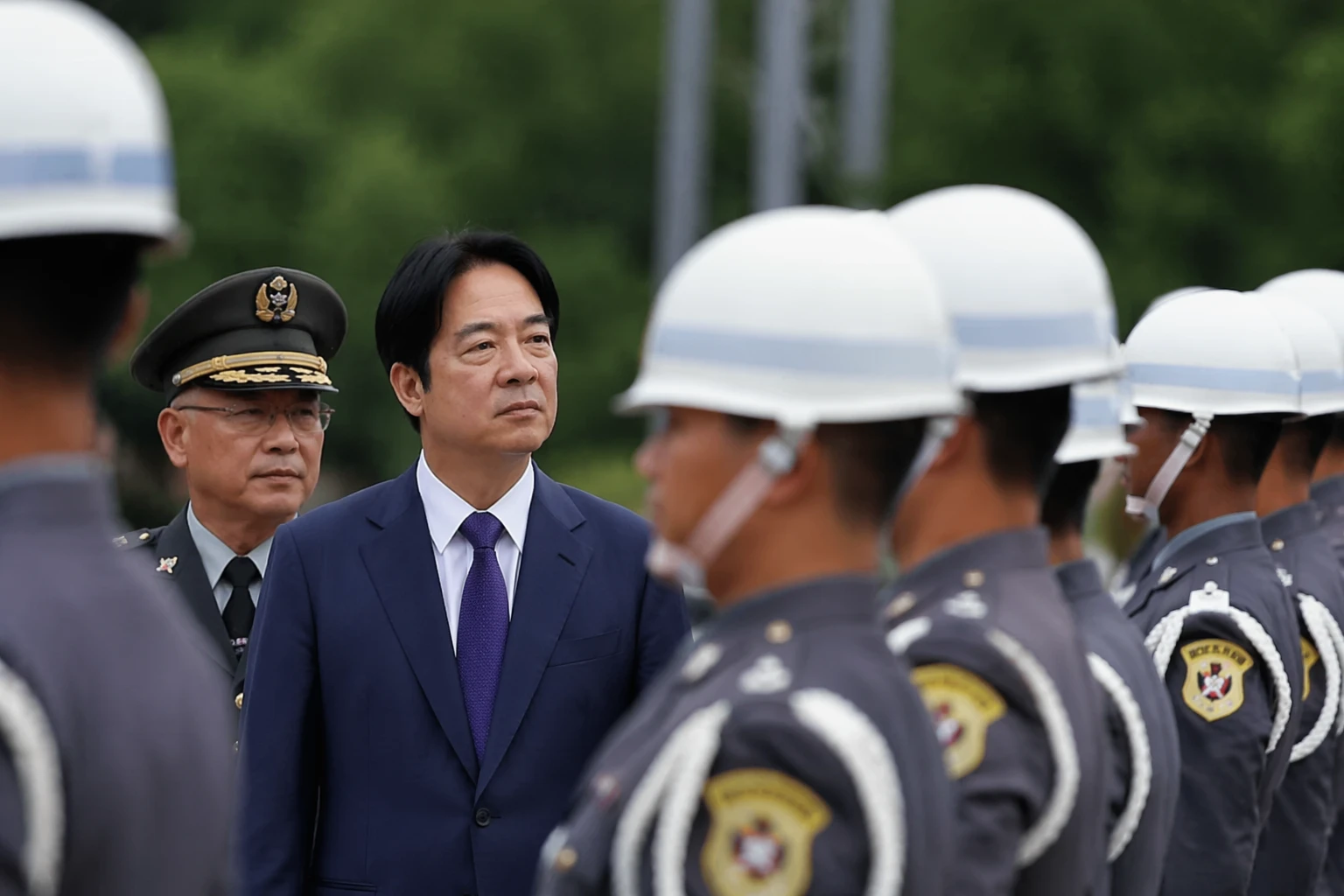
Lai’s warning came as Taiwan’s security agencies have been tracking a steady rise in Chinese espionage cases, especially inside the armed forces. Taiwan’s National Security Bureau said 64 people were prosecuted for suspected Chinese espionage in 2024, up from 48 in 2023, and that active-duty military personnel made up 43% of those prosecutions while retired military personnel accounted for 23%. The bureau said the number of spy cases climbed from three in 2021 to 15 in 2024, evidence that Beijing’s pressure campaign has moved beyond rhetoric into direct efforts to recruit, compromise and exploit Taiwanese personnel.
The threat reaches well beyond the barracks. Taiwan security agencies say infiltration has touched the Presidential Office, the Ministry of National Defense, the Ministry of Foreign Affairs, the legislature and the armed forces, with cases spanning multiple party lines. In March 2025, Lai announced 17 national security strategies to counter those efforts, including reinstating the military court system and tightening scrutiny of immigrants from China, Hong Kong and Macau.
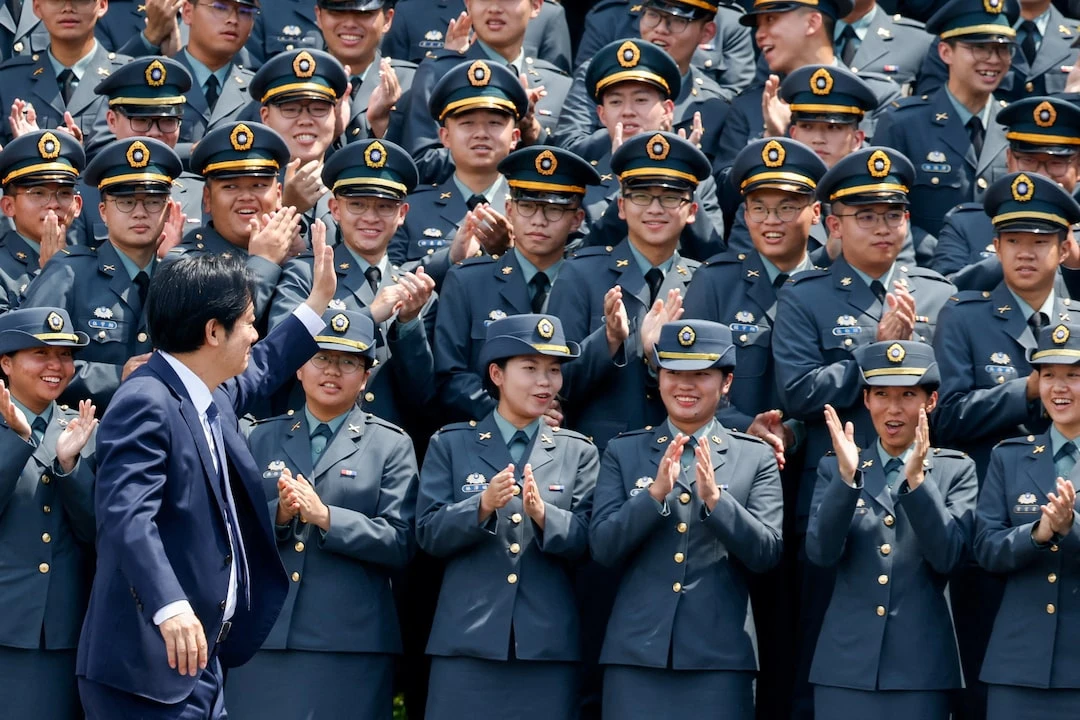
The graduation ceremony also underscored Taiwan’s unusual international position. Diplomats from countries that still recognize Taiwan attended, along with a Jordanian de facto ambassador, as Lai pressed the cadets to resist temptation and remain loyal to the state they would soon serve. His speech framed espionage and infiltration as immediate security threats, not abstract warnings, at a time when Chinese military activity around Taiwan continues daily and Beijing has never renounced the use of force.
Sources
- [1]usnews.com
- [2]taipeitimes.com
- [3]nbcnews.com
- [4]taiwannews.com.tw
- [5]globalsecurity.org
- [6]wikipedia.org