World
Lake Mead hits historic low as Colorado River crisis deepens
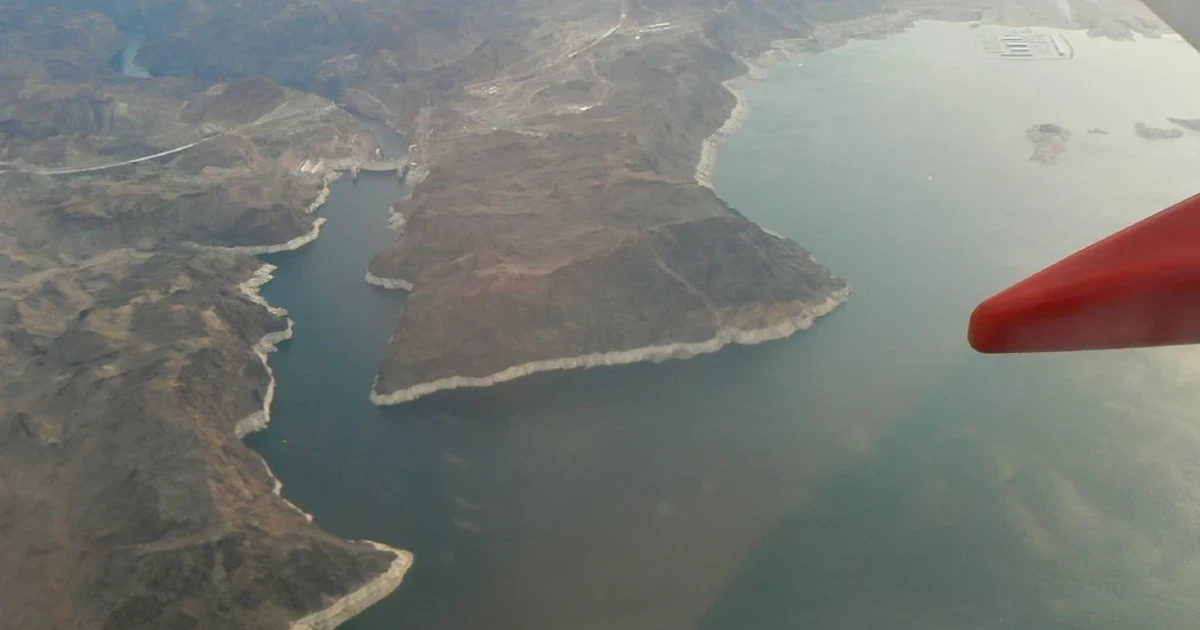
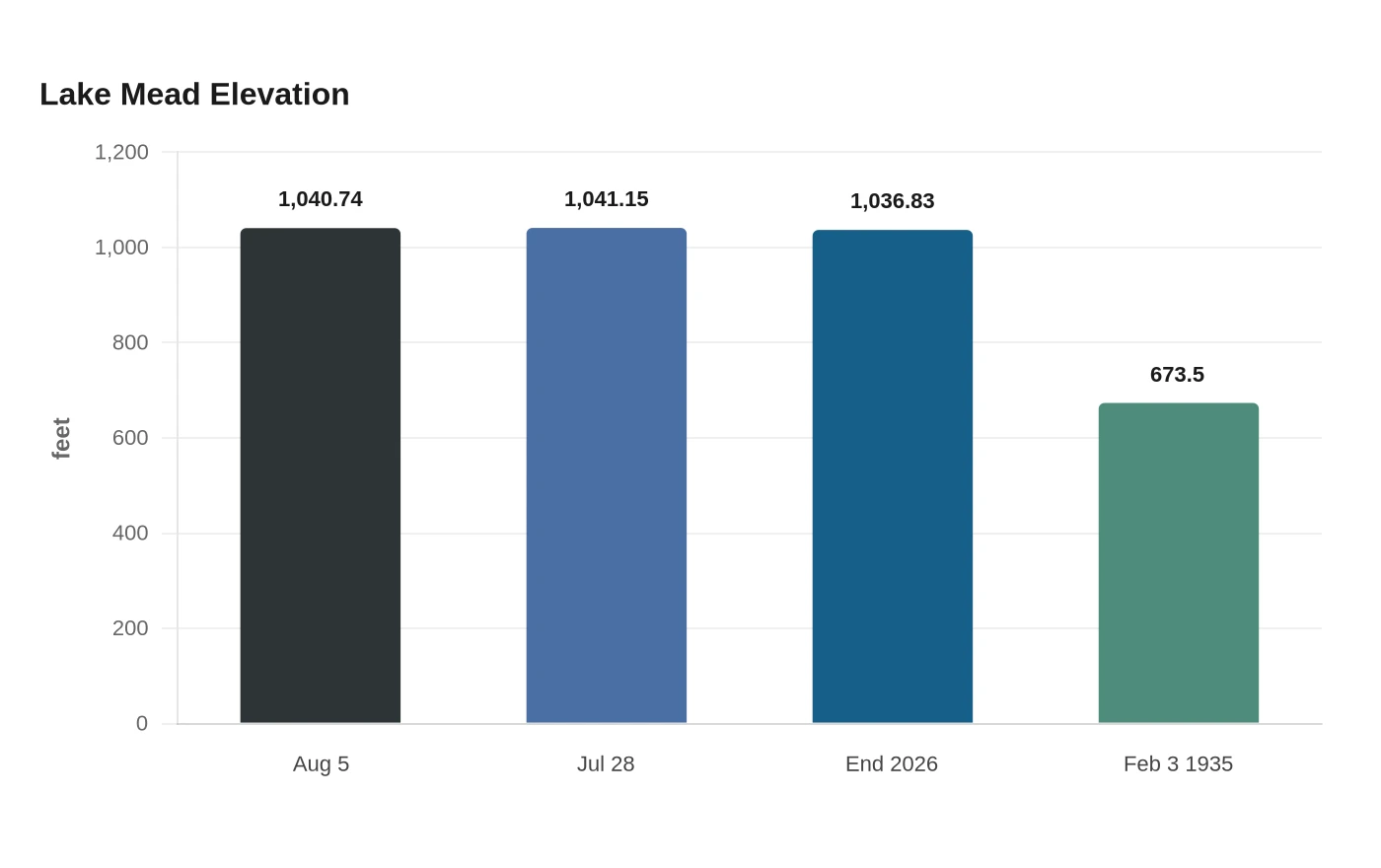
Lake Mead fell to 1,040.74 feet above sea level on Aug. 5, leaving the reservoir just 0.16 feet, or 1.9 inches, above its modern record low. The drop sharpened the pressure on the Colorado River system, where the lake behind Hoover Dam serves as the biggest storage buffer for water deliveries, farm supply and hydropower across the American Southwest.
The Bureau of Reclamation listed Lake Mead at 1,041.15 feet at midnight on July 28, and a late-June hydrologic update projected an end-of-2026 elevation of 1,036.83 feet. In July, Reclamation said total Colorado River system contents were 34% of capacity, a stark measure of how little slack remains in a basin that supplies water to more than 40 million people in seven U.S. states and Mexico. Lake Mead is the nation’s largest reservoir by storage capacity, which makes each decline visible far beyond Nevada.
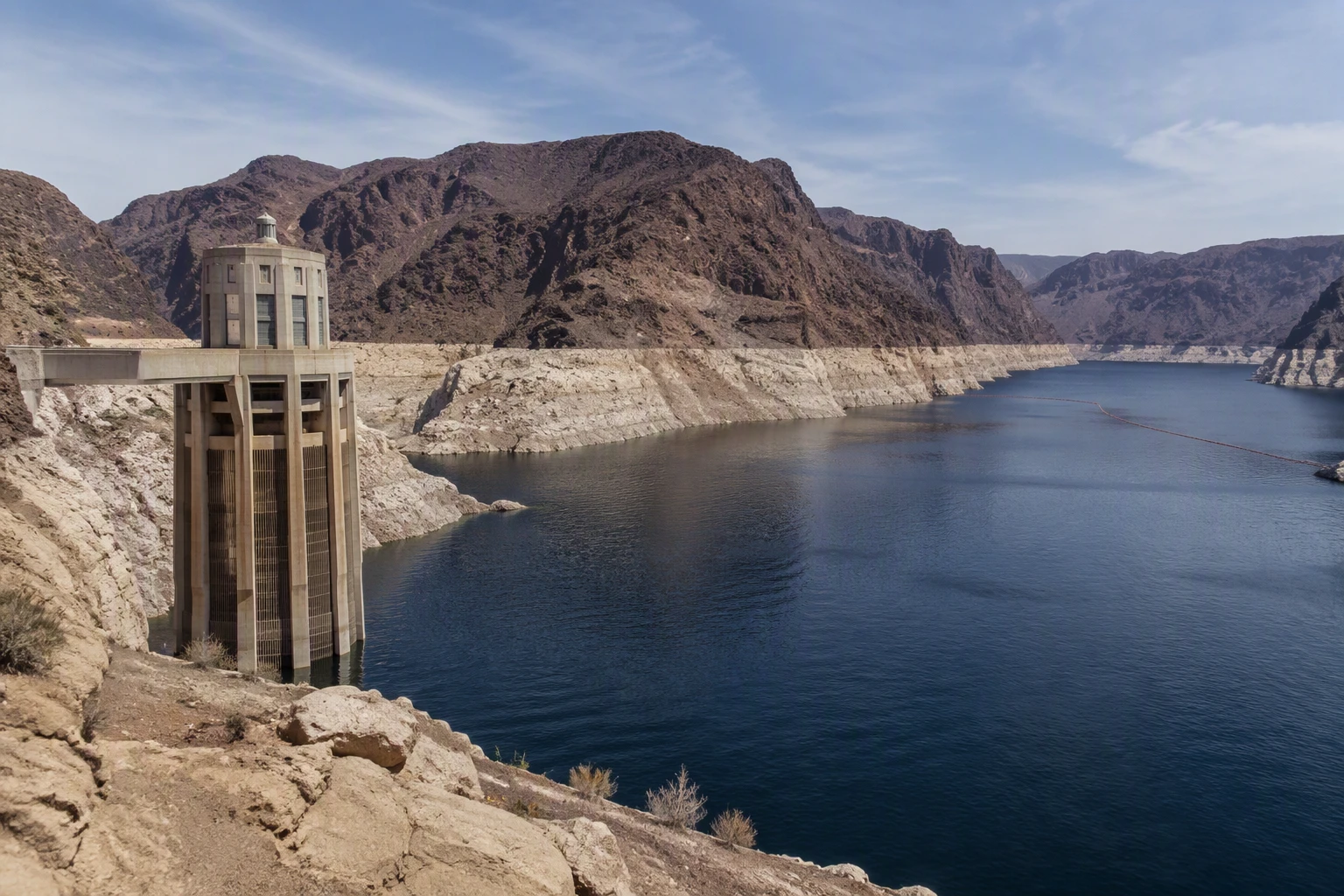
The consequences are not abstract. Lower levels can reduce hydropower output at Hoover Dam, where electricity has long helped serve millions of customers. They also tighten the squeeze on agriculture, cities and irrigation districts already operating under cutbacks and conservation rules. The Southern Nevada Water Authority says Lake Mead has fallen about 160 feet since 2000, and it describes the Colorado River Basin as experiencing the worst drought in recorded history. Reclamation’s historical table puts Lake Mead’s all-time low at 673.50 feet on Feb. 3, 1935, a figure that underscores how exceptional the current decline has become even before the reservoir reaches any new absolute low.
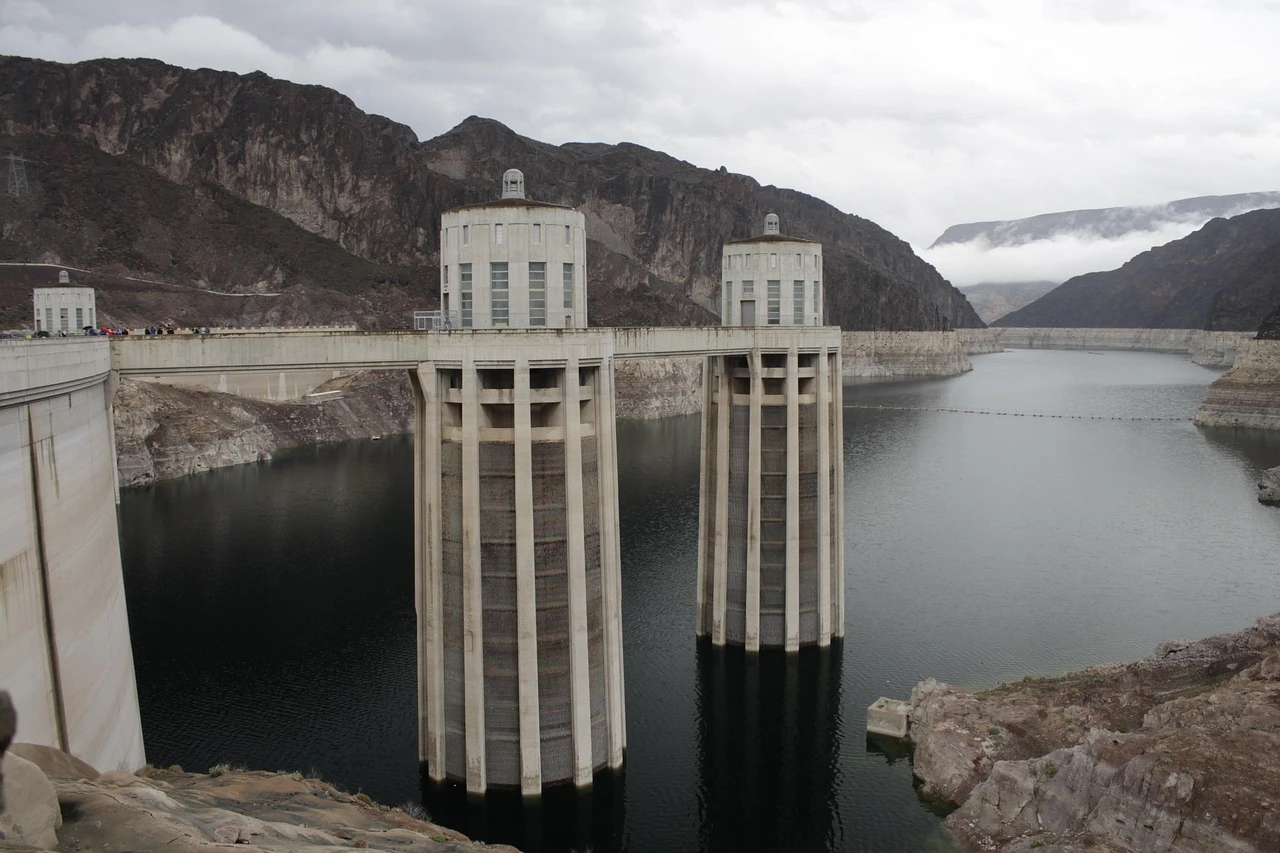
The political stakes are rising with the water itself. Several Colorado River operating agreements and decision documents are set to expire at the end of 2026, and Reclamation launched the post-2026 operations process in June 2023. That timetable has turned Lake Mead’s slide into a deadline for governors, federal officials, tribal governments, irrigation districts and cities that depend on the river to renegotiate how shortages will be shared.
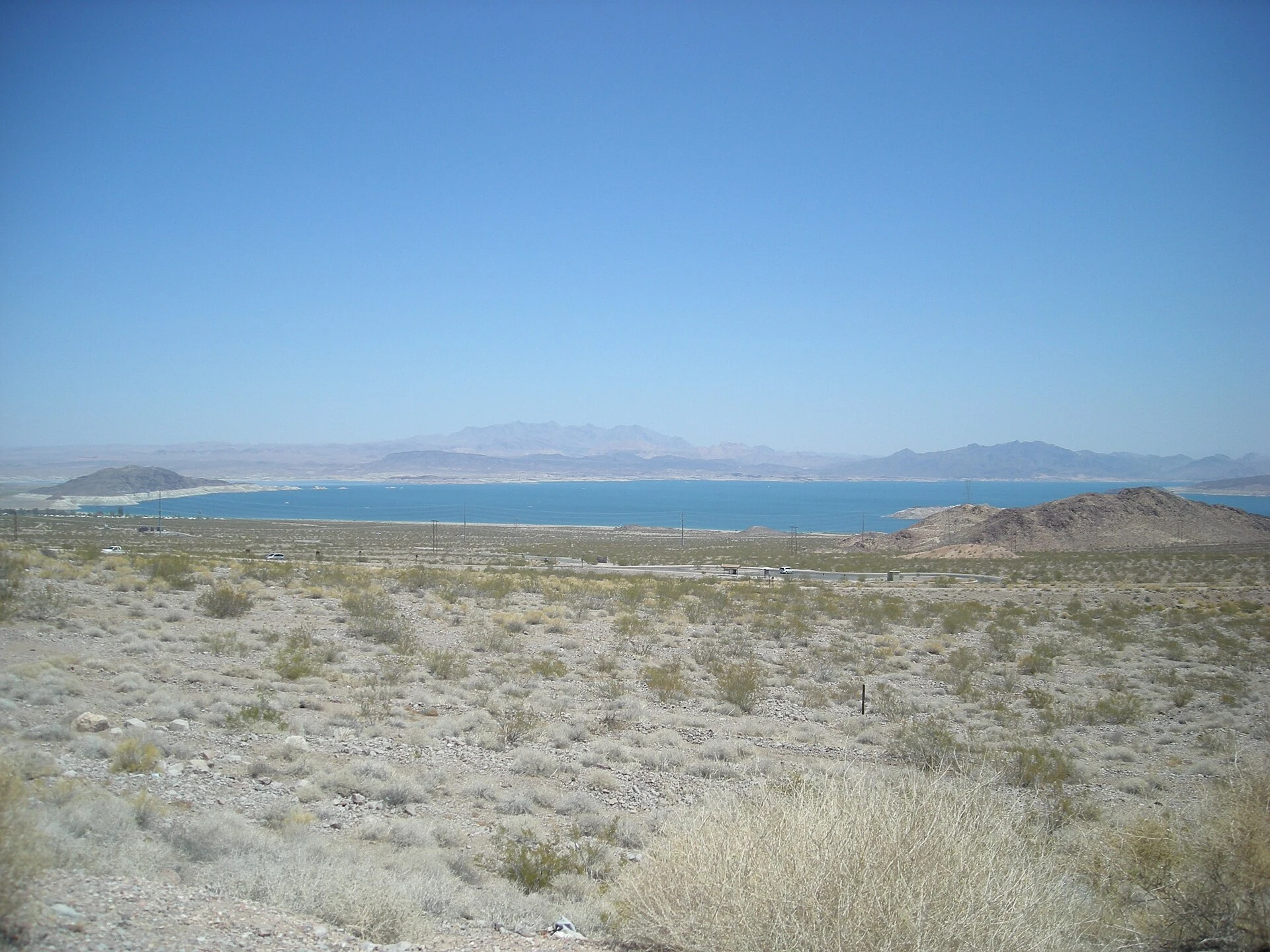
Reaction to the latest federal framework has already exposed how difficult that bargain will be. Colorado Public Radio said responses ranged from “encouraged” to “draconian,” Nevada Gov. Joe Lombardo called the plan unrealistic, and Sen. Michael Bennet called it “the bare minimum.” Those split responses reflect a basin where long-term demand keeps colliding with a shrinking water supply, and where another temporary workaround may no longer be enough to hold the system together.
Sources
- [1]apnews.com
- [2]newsweek.com
- [3]usbr.gov
- [4]snwa.com
- [5]cpr.org
- [6]8newsnow.com