US News
Lake Powell nears critical lows, raising Colorado River power concerns
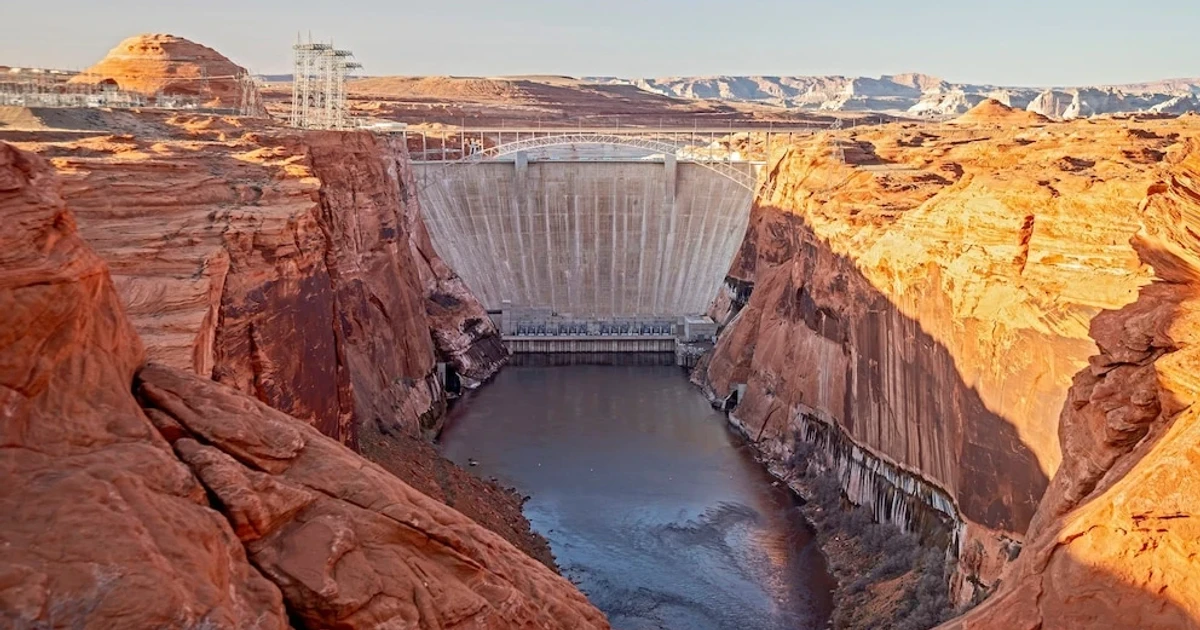
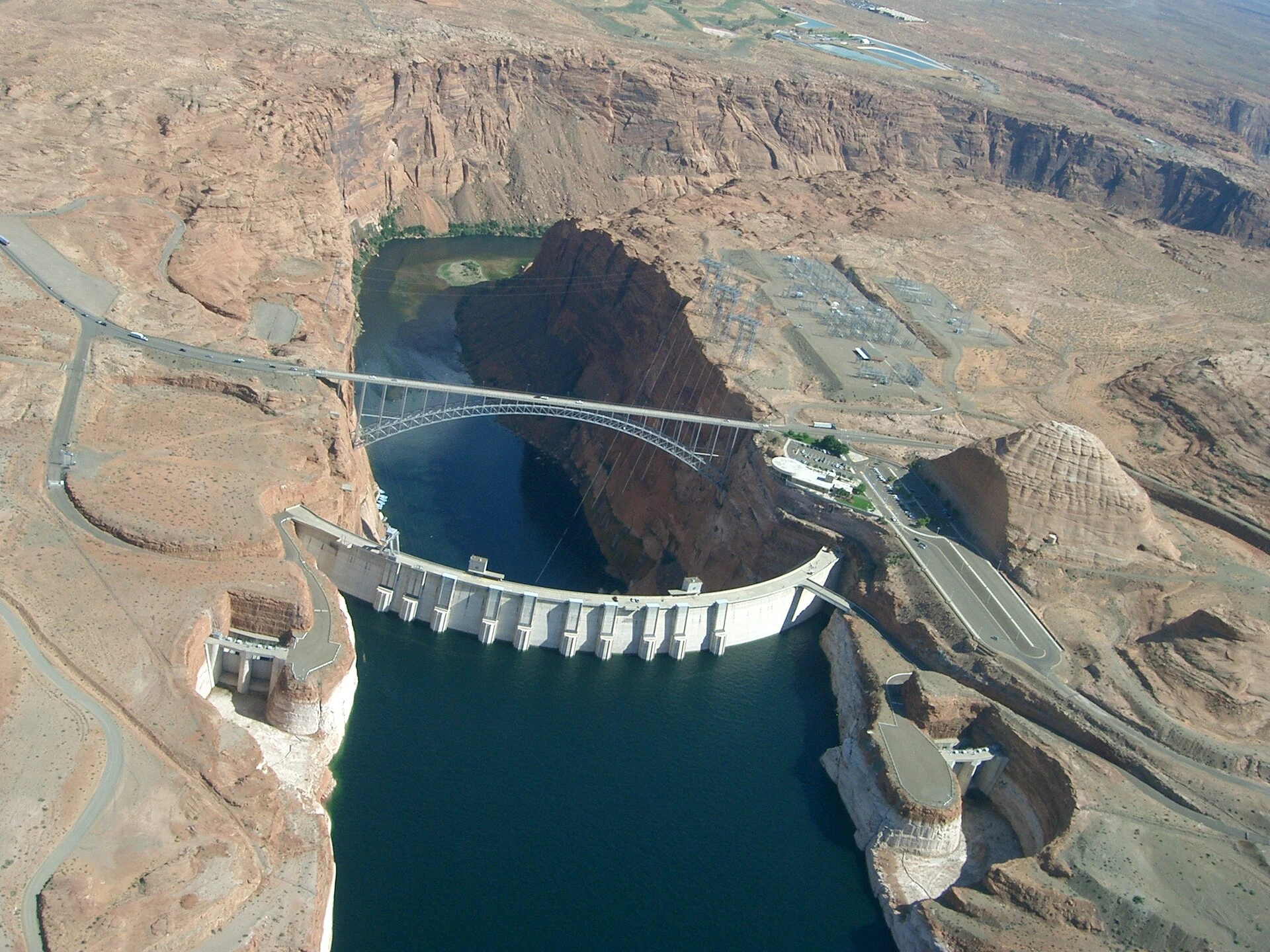
Lake Powell stood at 3,524.45 feet above sea level on July 11, leaving it about 34 feet above the 3,490-foot minimum power pool at Glen Canyon Dam, the point where hydropower stops. The reservoir held about 5.51 million acre-feet, roughly 22.7 percent to 24 percent of capacity, and sat only a few feet above its March 11, 2023 low of 3,520 feet.
Lake Powell is one of the Colorado River system’s main storage banks for more than 40 million people in Arizona, California, Colorado, Nevada, New Mexico, Utah, Wyoming and Mexico. Electricity customers would feel the first direct hit if the lake drops to minimum power pool, because Glen Canyon Dam can no longer generate power below that line. If levels keep falling toward the 3,370-foot dead pool, water can no longer move past the dam by gravity.
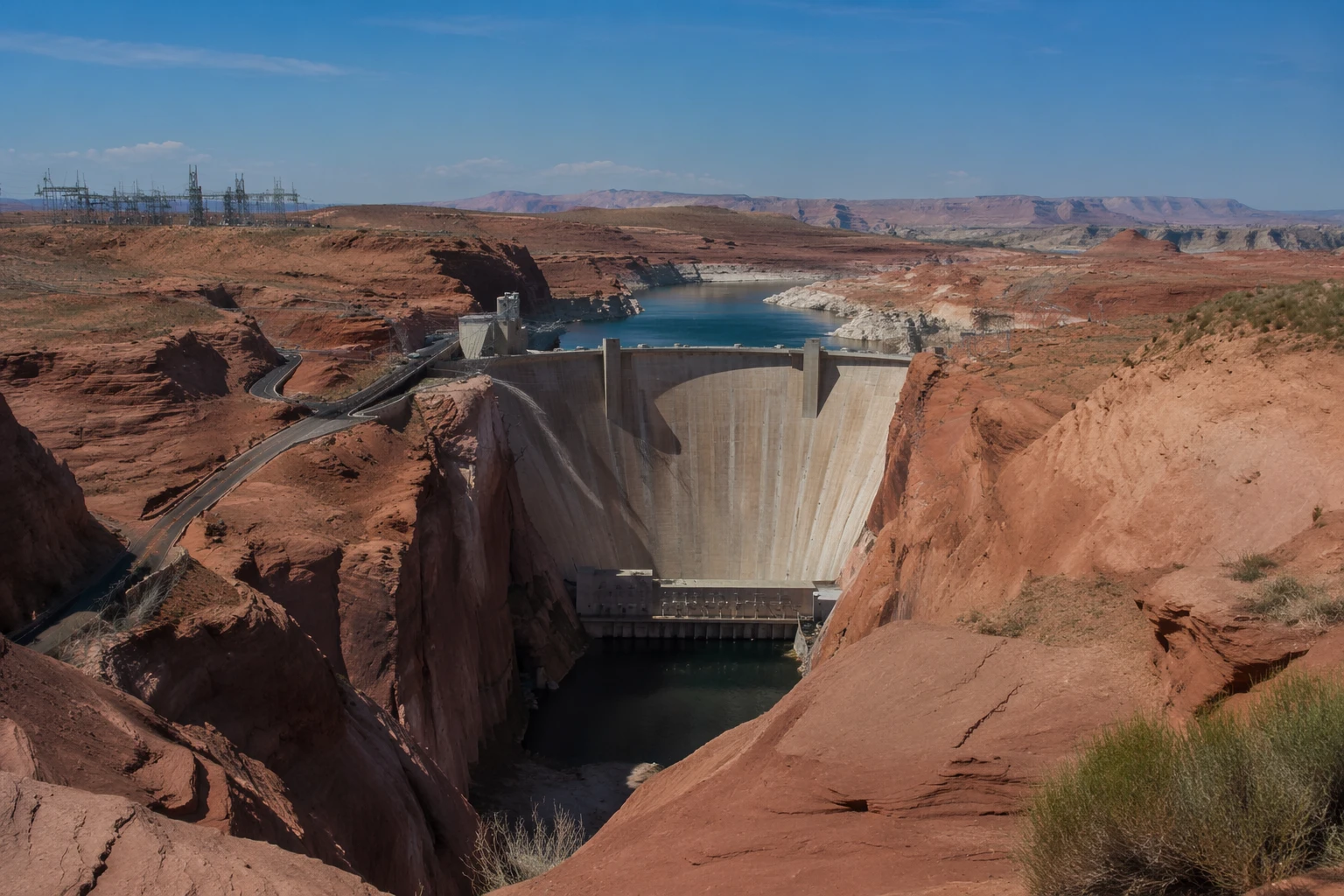
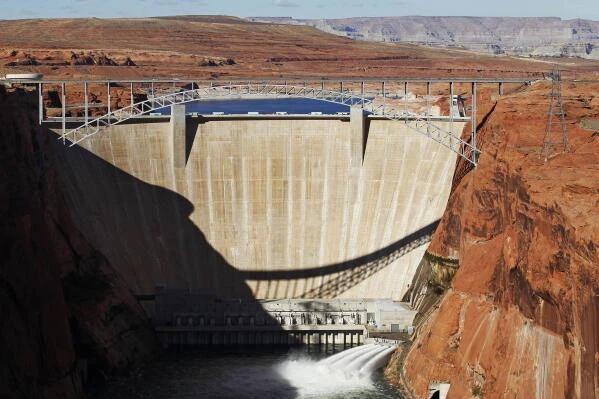
The 2007 Colorado River Interim Guidelines ran through Dec. 31, 2025, and a May 2024 Record of Decision revised near-term Colorado River operations through the end of the 2026 operating year to address continued low-runoff conditions. In late 2025, Reclamation projected Lake Powell would start 2026 at 3,538.47 feet, about 48 feet above minimum power pool and holding 7.48 million acre-feet. Federal projections later put the lake at 3,490 feet as soon as December 2026 if conditions worsen.
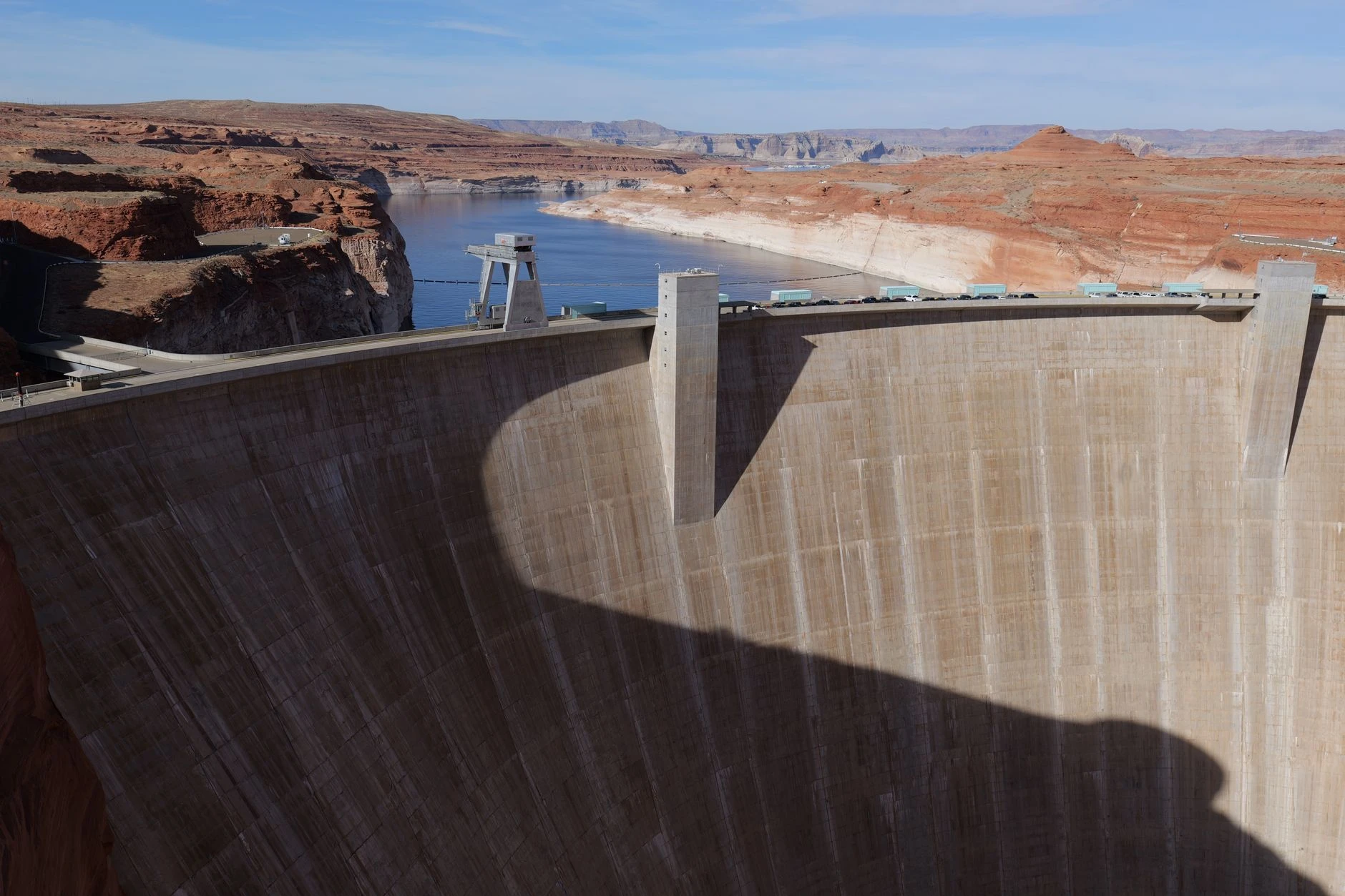
Once hydropower is gone, the strain shifts downstream to the cities, farms and tribal communities that depend on Colorado River deliveries through Lake Mead and the broader basin.
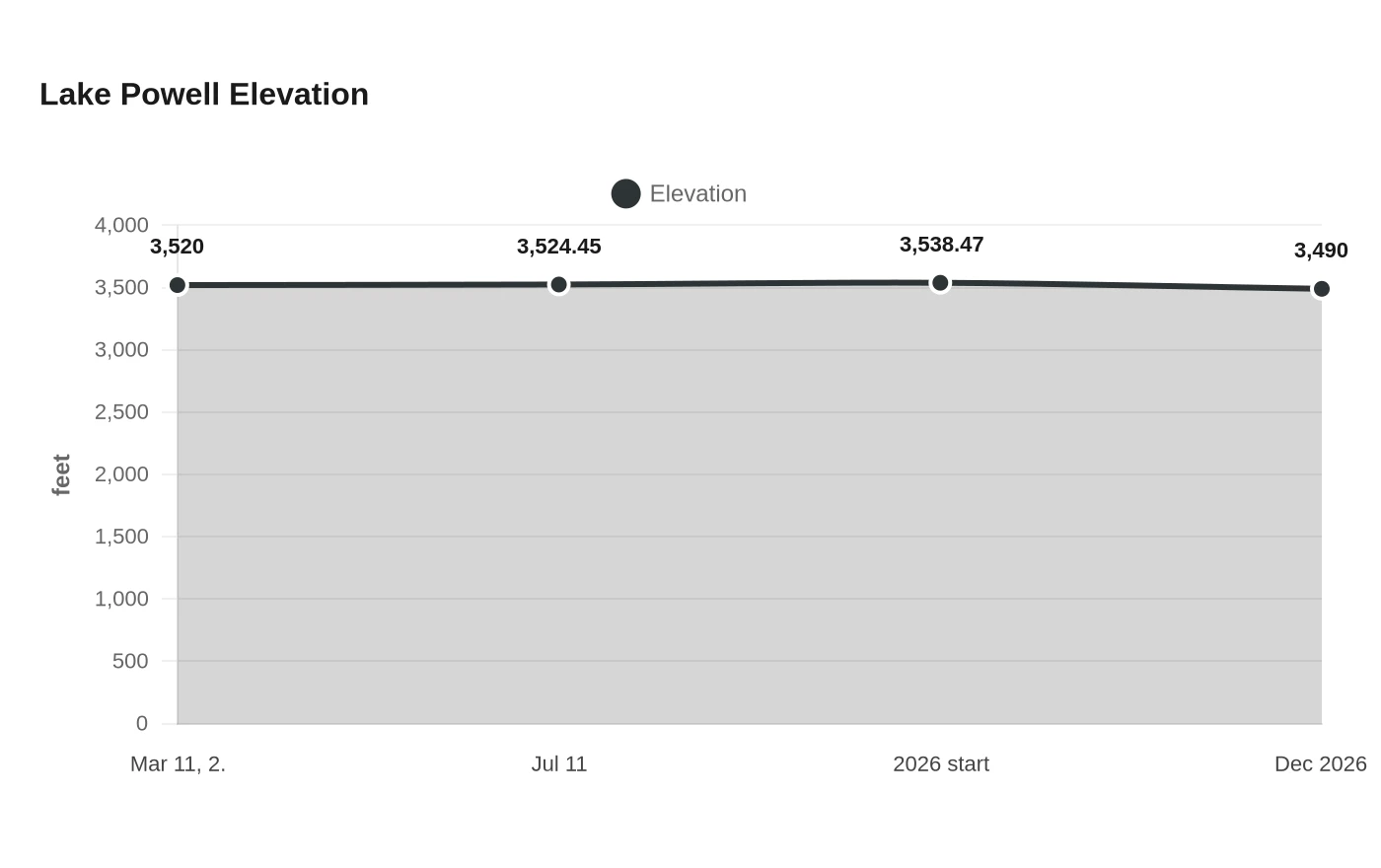
Lake Powell last fell to 3,520 feet on March 11, 2023, the lowest level since the reservoir first filled in the 1960s. In February 2026, Glen Canyon National Recreation Area did not expect to lose lake access that summer, but it was preparing for declining conditions and changes to launch ramps and visitor access. Glen Canyon Institute asked, “Why was Glen Canyon Dam built? Is that still working?”
Sources
- [1]abcnews.com
- [2]usbr.gov
- [3]coloradopolitics.com
- [4]nps.gov