Politics
Lankford says Congress should ratify any Iran peace deal
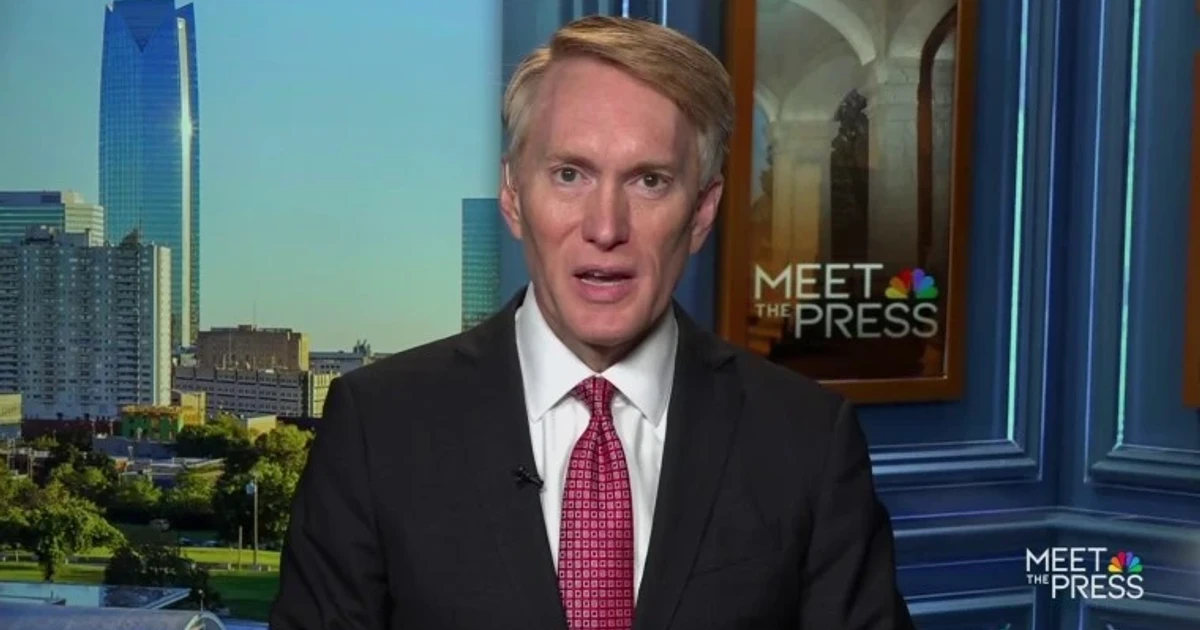
The fate of any U.S.-Iran agreement may turn less on diplomacy than on durability: Sen. James Lankford said Congress should ratify any deal so it would have a more lasting effect, rather than leaving the next president free to rewrite it.
Speaking Sunday on NBC News’ Meet the Press, the Oklahoma Republican said it is best if Congress votes to approve any potential deal to end the war in Iran. Lankford said President Donald Trump is trying to “end Iran’s constant attack of Americans and American assets and American allies in that region,” but argued that a congressional ratification would give any agreement stronger staying power.

That distinction matters because Trump said a U.S.-Iran agreement could be signed Sunday, raising the prospect of an executive arrangement that might depend heavily on the political will of one administration. If Congress is bypassed, the accord could be more vulnerable to reversal when control of the White House changes.

Congress is already signaling that it wants a say. On June 3, the U.S. House of Representatives voted 215-208 to direct the president, under the War Powers Resolution, to remove U.S. forces from hostilities with Iran. Four Republicans joined Democrats in backing the measure, a narrow but notable bipartisan rebuke that exposed unease inside Trump’s own party over the conflict.
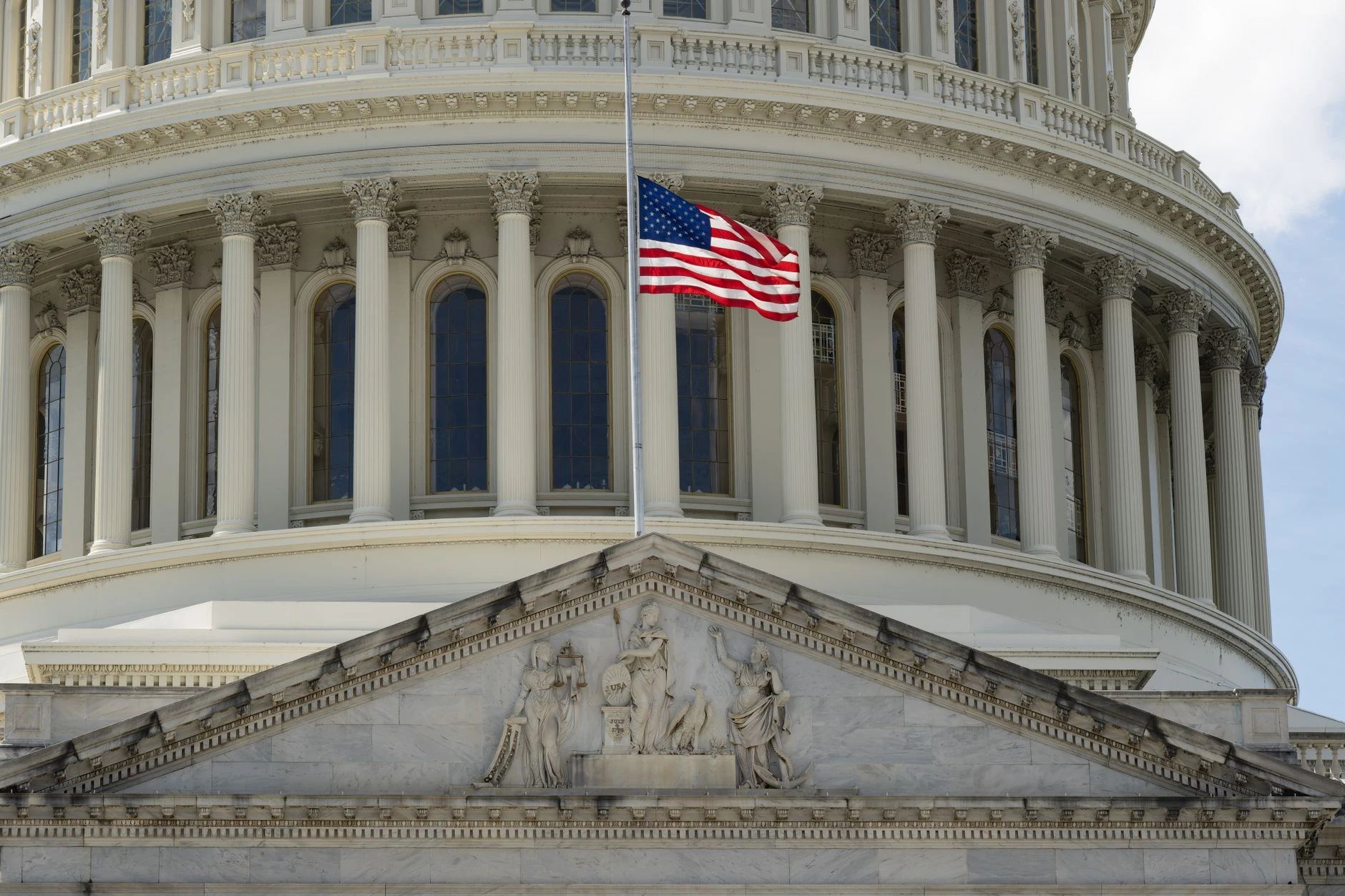
The dispute echoes earlier fights over Iran policy. Under the Iran Nuclear Agreement Review Act of 2015, Congress reviewed the Joint Comprehensive Plan of Action, and lawmakers did not enact a resolution of disapproval by the September 17, 2015 deadline. The agreement formally took effect on October 18, 2015, a sequence that showed how congressional involvement can shape the political longevity of an Iran deal even when lawmakers stop short of blocking it.

That precedent is now back at the center of the debate. Lankford’s call for ratification framed the issue as a constitutional question as much as a foreign-policy one: whether the United States wants a one-president commitment to Iran or a deal with enough legislative backing to survive the next administration.
Sources
- [1]nbcnews.com
- [2]clerk.house.gov
- [3]congress.gov