Health
Laron syndrome may hold clues to cancer prevention, researchers say

A 2023 study found 30 cancer cases in 26 people with congenital IGF-1 deficiency, compared with 31 cases among 131 relatives. The pattern adds to evidence that Laron syndrome, a rare growth-hormone receptor deficiency, is linked to a lower cancer incidence than the wider population.
Laron syndrome, also called growth hormone receptor deficiency or growth hormone insensitivity, was first described in 1966 by Israeli physician Zvi Laron in consanguineous Jewish families from Yemen. Fewer than 350 people worldwide are thought to live with the condition, with especially well-studied cohorts in Ecuador and Israel. That scarcity makes the disorder unusual in medicine, but it also makes every documented cancer case valuable.

The biological interest is the growth hormone and IGF-1 pathway, which researchers increasingly view as central to cancer biology because it has tumor-promoting functions. Earlier work had already pointed in the same direction. A preliminary report in PubMed said patients with congenital IGF-I deficiency seemed protected from the development of malignancies, and a 2011 paper led by Rachel Steuerman, Orit Shevah and Zvi Laron said homozygous patients with congenital IGF1 deficiency and insensitivity to growth hormone seemed protected from future cancer development, even if treated by IGF1. A later 2017 review reached the same broad conclusion, saying IGF-I deficiency protects against cancer even when treated.
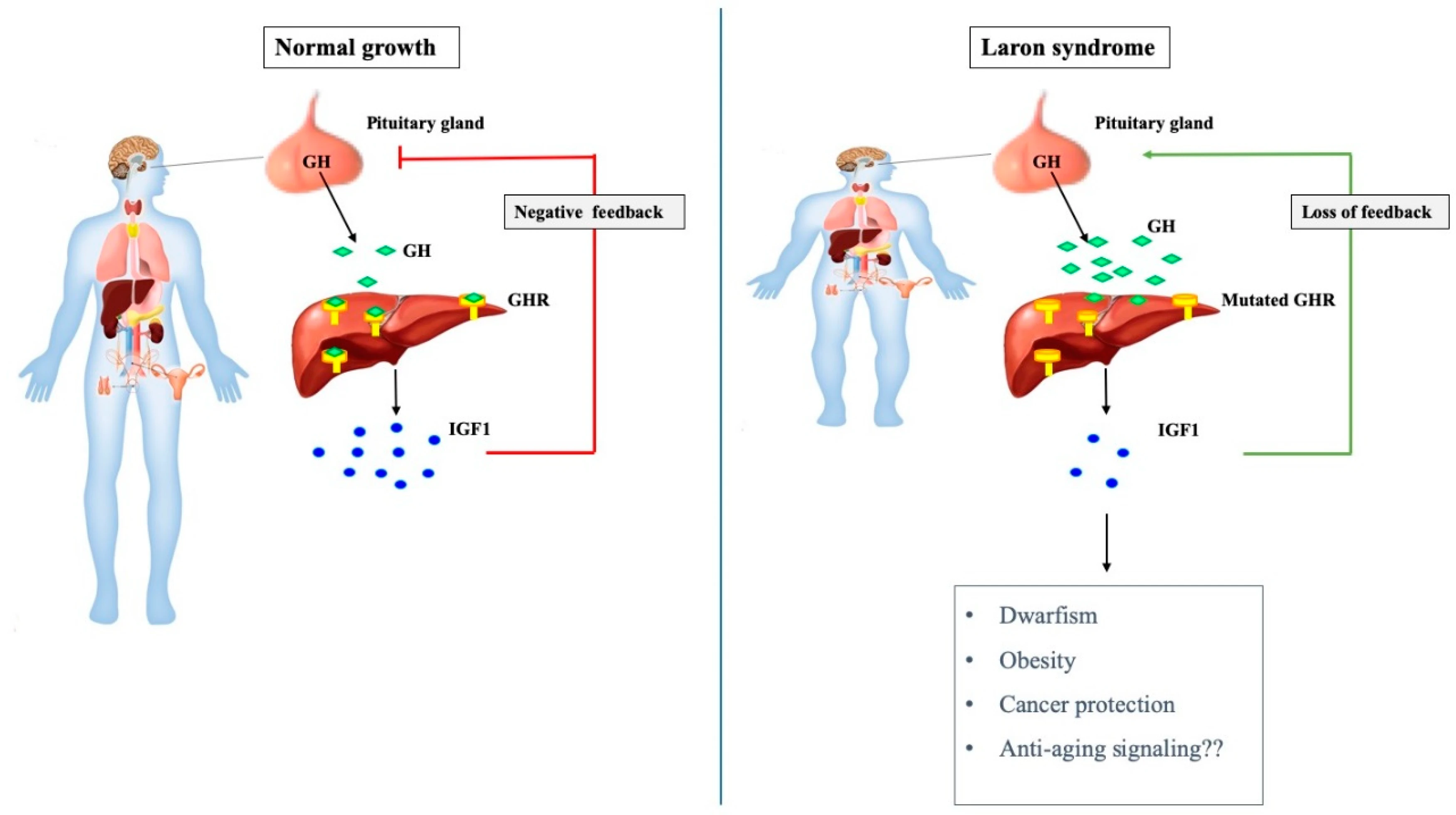
The Ecuadorian cohort has been particularly influential because it suggested obesity does not always track with higher cancer risk. That matters because Laron syndrome is often associated with short stature, obesity, insulin resistance and glucose intolerance, yet some treated patients can live a normal lifespan. Jorge Guevara-Aguirre and colleagues have used that population to explore whether the absence of IGF-1 signaling changes the body’s baseline vulnerability to malignancy.

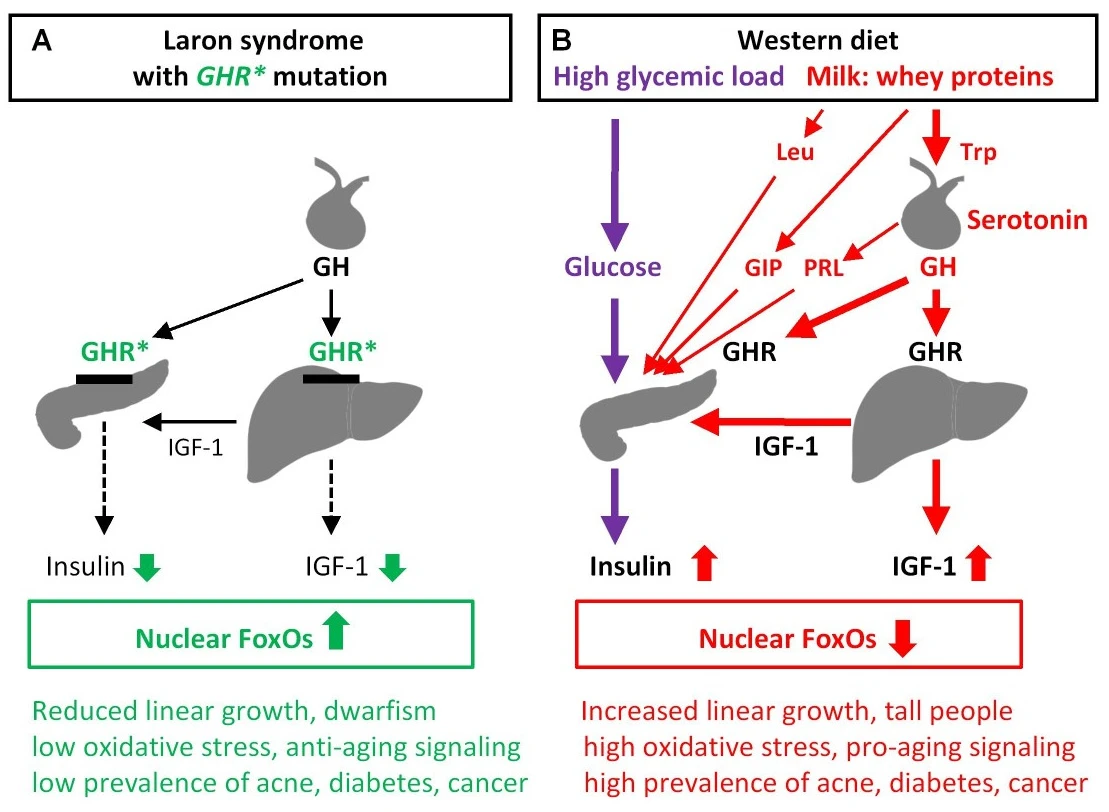
What is established today is narrow but important: people with Laron syndrome appear to develop cancer less often, and multiple studies have tied that pattern to congenital IGF-1 deficiency. What remains speculative is whether blocking the same pathway in other people would safely prevent cancer. Any usable therapy would have to move from observations in a tiny, unusual population to a mechanism that can be reproduced, tested and shown to reduce cancer risk without unacceptable side effects. That is a long path, even as the disorder continues to offer a rare window into how growth signals and tumor biology intersect.
Sources
- [1]bbc.co.uk
- [2]bbc.com
- [3]pubmed.ncbi.nlm.nih.gov
- [4]iv.iiarjournals.org
- [5]medlineplus.gov