US News
Las Vegas buffets shrink as the Strip’s dining era fades
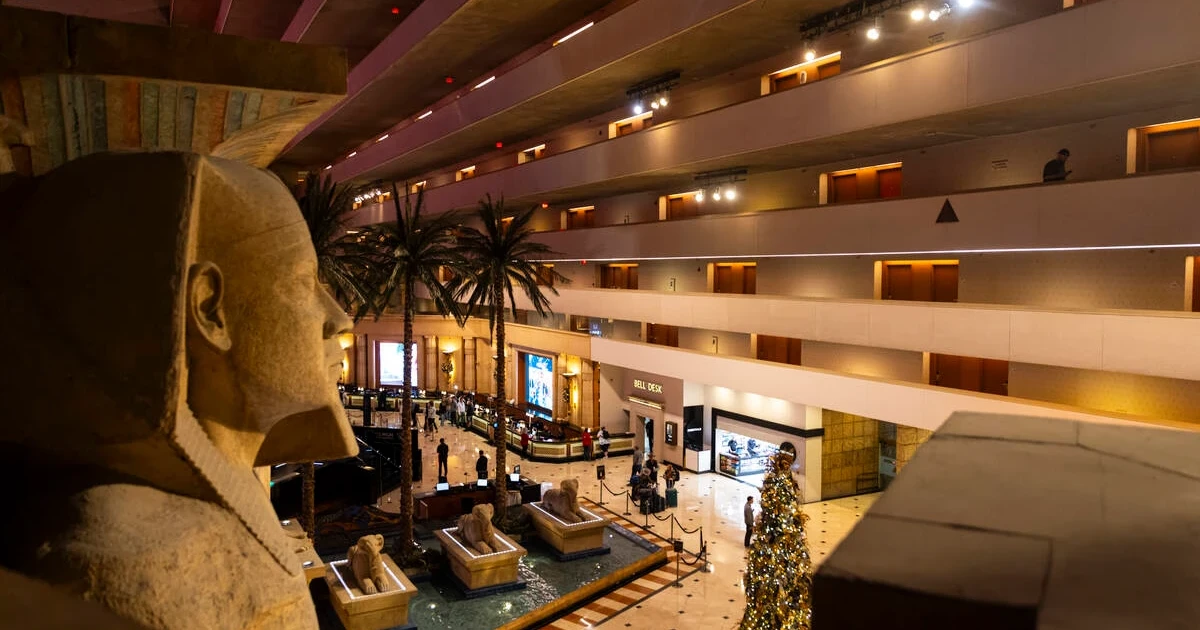
The Buffet at Luxor closed on March 30, 2025, and that exit says as much about the Strip’s economy as it does about one restaurant. In Las Vegas, the buffet was once the clearest symbol of cheap spectacle, a place where abundance was measured by the tray and the plate. Now the city’s best-known all-you-can-eat rooms survive only by becoming bigger, pricier, or both.
The end of the bargain buffet
The Buffet at Luxor was one of the Strip’s more budget-friendly examples, which made its closure especially revealing. MGM Resorts International shut it down at the end of March 2025, removing a low-cost option from a corridor that has steadily moved away from mass-market dining. The loss matters because it was not just another restaurant closing; it was part of a long retreat from the old idea that the Las Vegas feast should be broad, cheap, and easy to access.
That shift has been building for years. Early Las Vegas buffets were designed around volume and value, feeding crowds quickly and cheaply in a city built on impulse spending. Over time, the Strip leaned toward celebrity-chef names, higher-end dining rooms, and experiences that promised polish more than sheer quantity. The buffet did not disappear, but it stopped being the center of the dining story.
Why Bacchanal still stands
Caesars Palace still sells Bacchanal Buffet as the largest buffet in Las Vegas, and the scale helps explain why it has endured. Caesars describes it as more than 25,000 square feet, with 10 kitchens, 9 chef-attended action stations, and more than 250 menu items, a format built to feel like a destination rather than a discount line. Caesars also says Bacchanal traces its origins to the opening of Caesars Palace in 1966, even though the current premium version first opened in 2012.
That pedigree gives the buffet a useful kind of old-school credibility, but Bacchanal’s modern identity is just as important. It was positioned from the start as a premium buffet concept, not a throwback to the cheapest possible meal on the Strip. In an era when diners expect more curation, more showmanship, and more visible preparation, the room’s chef-attended stations and sprawling footprint give it a way to feel both excessive and elevated.
Caesars has also made a point of defending the brand in public. After social-media rumors that Bacchanal might shut down, the company said it was “not going anywhere.” That statement was more than a reassurance to fans; it was a signal that, even in a changing market, Caesars sees one marquee buffet as worth protecting.
What the numbers say about the Strip
The buffet squeeze sits inside a broader slowdown in Las Vegas itself. The Las Vegas Convention and Visitors Authority said the city drew 38.5 million visitors in 2025, down 7.5 percent from 2024, marking the first year-over-year decline in the post-COVID era. At the same time, Nevada’s nonrestricted casino licensees won $15.8 billion in 2025, a new annual record, showing that the gambling floor can still thrive even when visitor traffic softens.
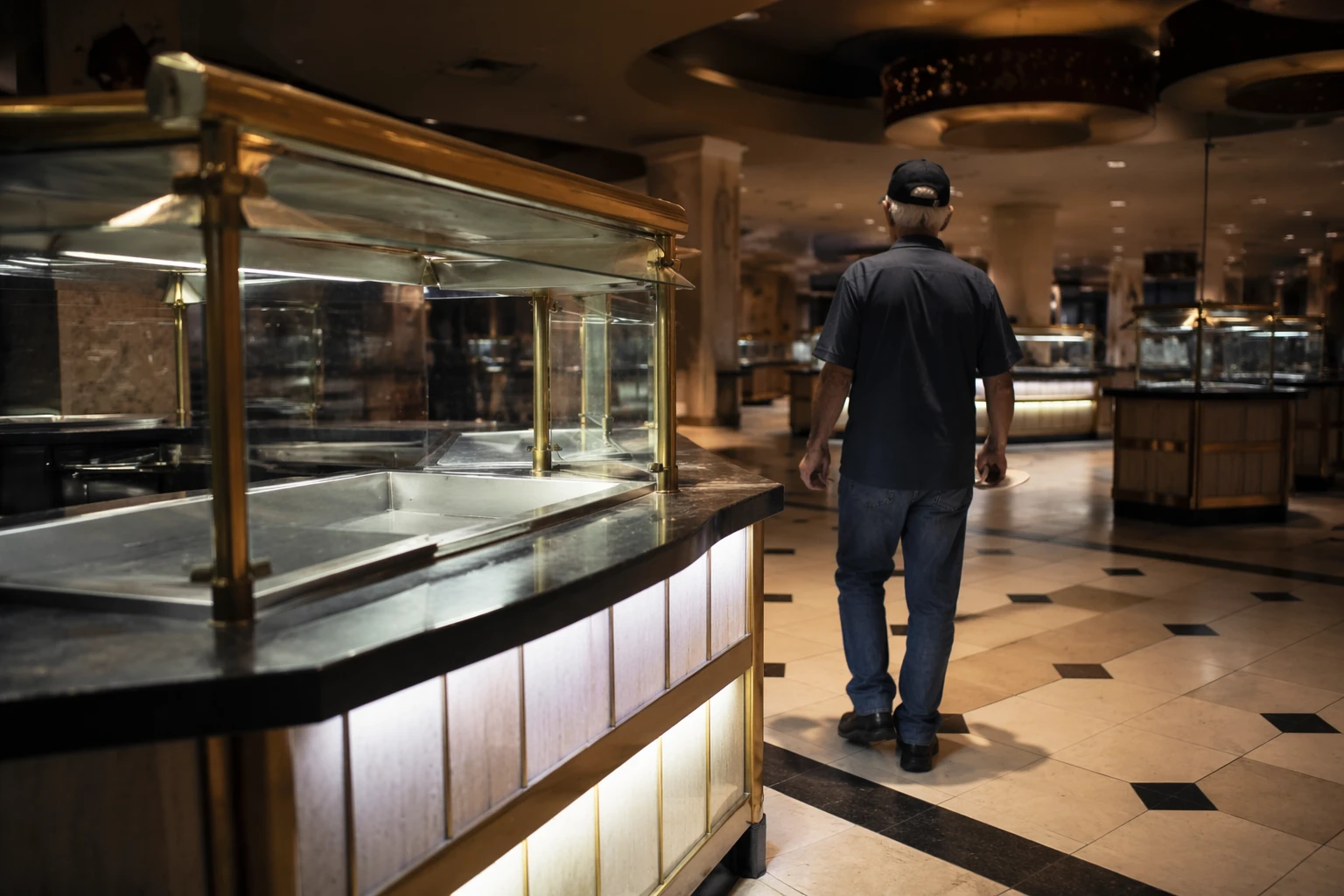
That split helps explain why buffet operators face such pressure. A city can set a gaming record while still losing some of the everyday foot traffic that once filled large dining rooms with bargain-seeking crowds. Caesars Entertainment’s own second-quarter 2025 results showed the strain in Las Vegas, with a 3.7 percent year-over-year decline in net revenue and a nearly 21 percent drop in net income from its local operations. Even with that drag, both Caesars and MGM have stayed publicly optimistic about convention-driven demand later in 2025 and into 2026.
Those numbers matter because buffets depend on steady volume. Large rooms, long serving lines, constant replenishment, and sprawling kitchens only make sense when enough people keep coming through the doors. When visitation softens, the buffet’s scale becomes part of the problem, not just its selling point.
What changed after the pandemic
The buffet’s decline is also cultural. Post-pandemic diners are more sensitive to hygiene, more wary of self-service formats, and more selective about where they spend on a big meal. That does not mean all buffets are obsolete, but it does mean the old promise of unlimited, anonymous abundance no longer carries the same easy appeal it once did. The Las Vegas buffet now has to justify itself as an experience, not just a deal.
That shift reaches beyond Las Vegas. Across the country, restaurants are contending with higher labor costs, stricter cleanliness expectations, and consumers who are less committed to the idea that more food automatically means better value. The buffet used to embody a kind of democratic excess, where middle-class diners could eat like high rollers for one fixed price. As that model gets harder to sustain, the loss is not only culinary but social: one of the few rituals that made mass abundance feel accessible to almost anyone is fading from view.
What remains of the old promise
Buffets still matter in Las Vegas because they condense the city’s mythology into a single room. Crab legs, prime rib, dessert towers, carving stations, and endless trays still promise a specifically Las Vegas form of excess, one that feels playful even when it is highly managed. Bacchanal keeps that fantasy alive by staging abundance as theater, with enough kitchens and stations to make the room feel like a controlled explosion of food.
But the city around it has changed. The cheap, sprawling feast that once anchored the Strip is now an endangered format, squeezed by economics, newer dining expectations, and a post-COVID sense that endless self-service is no longer the default. What survives will likely be the buffets that can turn excess into premium entertainment. What disappears is the old bargain itself, the idea that abundance could be both democratic and inexpensive at the same time.
Sources
- [1]nytimes.com
- [2]reviewjournal.com
- [3]caesars.com
- [4]neon.reviewjournal.com
- [5]apnews.com