Technology
Last-minute launch problem delays NASA's Swift satellite rescue mission
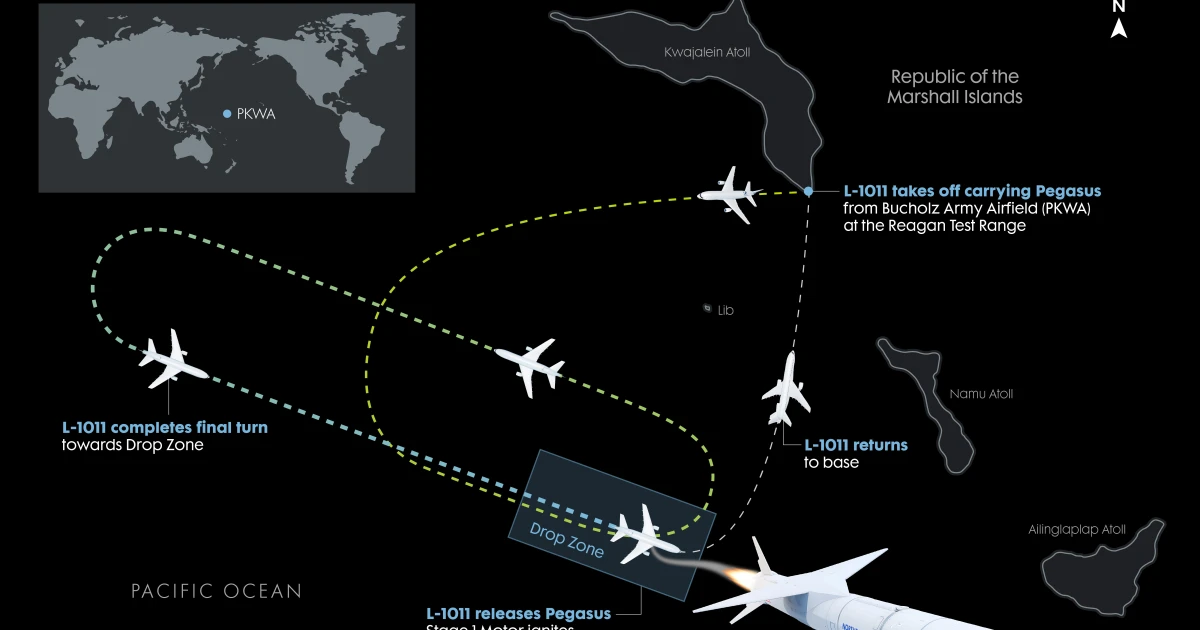
The Stargazer L-1011 took off from Kwajalein Atoll carrying Northrop Grumman’s Pegasus XL for NASA’s Swift Boost mission before a launch vehicle issue stopped the flight, delaying a rescue effort meant to keep the Neil Gehrels Swift Observatory working before it falls back to Earth. Teams reviewed the data from the aborted attempt, fixed the rocket issue and set the next launch attempt for no earlier than Friday, July 3, at 8:35 p.m. UTC+12.
Swift has been in rapid orbital decay for years, and increased solar activity has accelerated the observatory’s descent. Launched in 2004, Swift studies gamma-ray bursts and a broad range of visible, ultraviolet, X-ray and gamma-ray sources. Without a boost, the spacecraft is expected to re-enter Earth’s atmosphere in fall 2026.
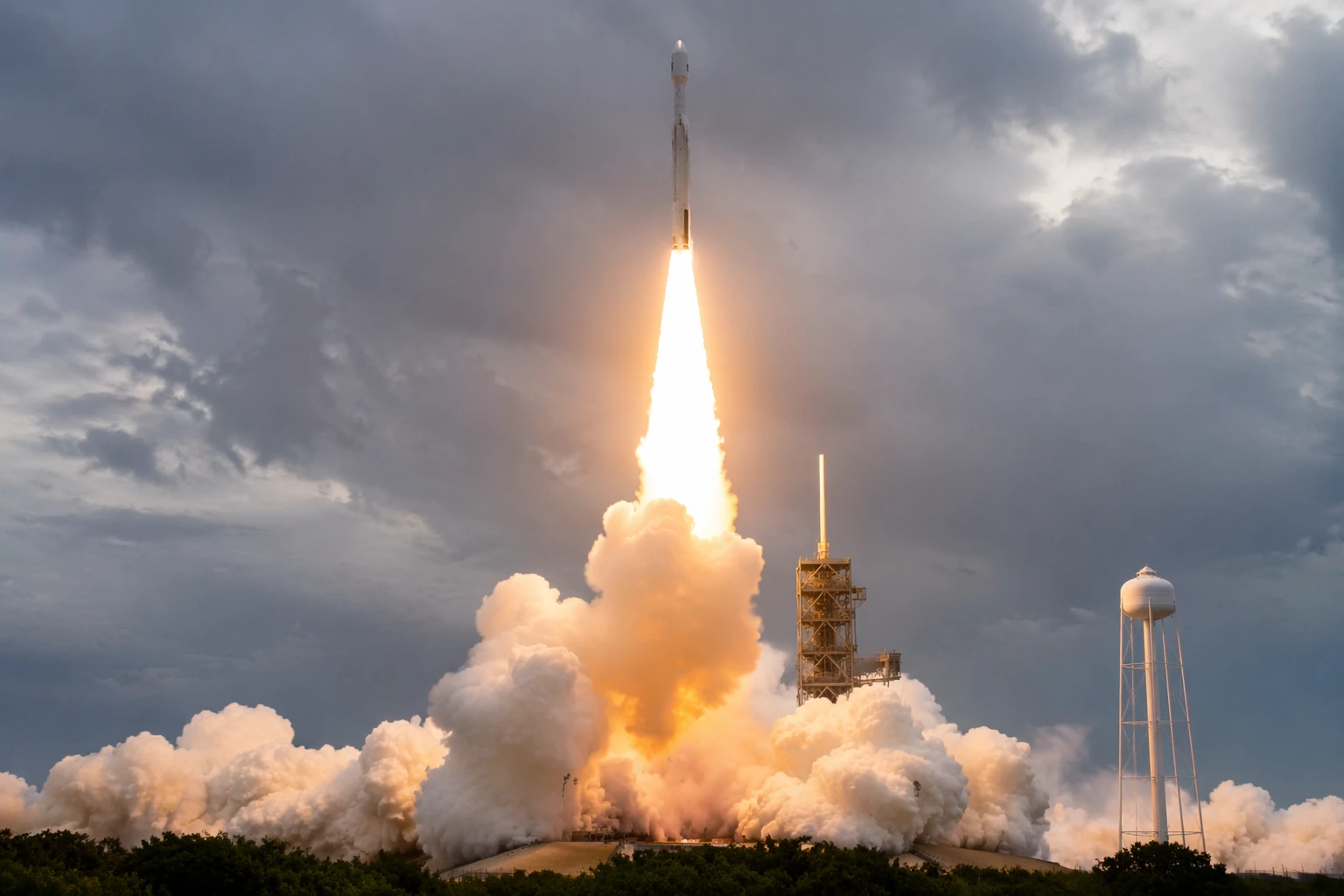
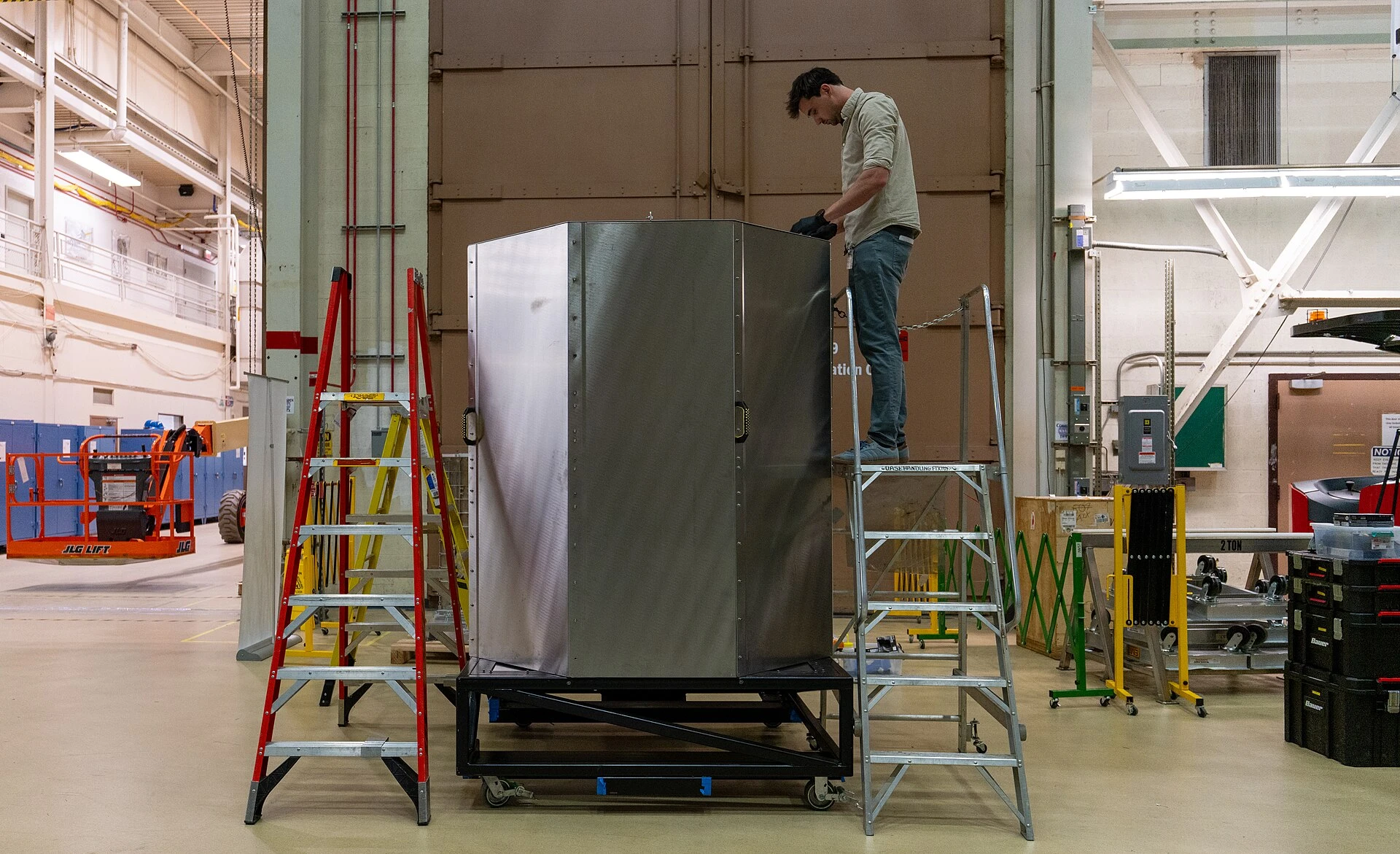
NASA gave Katalyst Space a contract in September 2025 to design and fly a spacecraft that could rendezvous with Swift and raise its orbit. Katalyst, based in Flagstaff, Arizona, designed, built and tested its LINK spacecraft in eight months, then encapsulated it inside the Pegasus XL on June 15 before the rocket was mated to the Stargazer aircraft for the trip to the Marshall Islands. The mission is a first-of-its-kind attempt to capture and reboost NASA’s uncrewed Swift observatory.
If successful, the flight would be the first time a commercial robotic mission captured a NASA spacecraft that was not built to be serviced in space. The boost would preserve Swift’s science output at a fraction of the cost of building a replacement observatory, while also helping prove out future on-orbit servicing, inspection, relocation and upgrade work.
NASA associate administrator Nicky Fox said the mission would show how quickly the agency and industry can move from concept to implementation, while Swift principal investigator Brad Cenko of NASA’s Goddard Space Flight Center described the effort as a relief for the mission team.