Health
Last U.S. polio patient using iron lung dies at 78 in Oklahoma
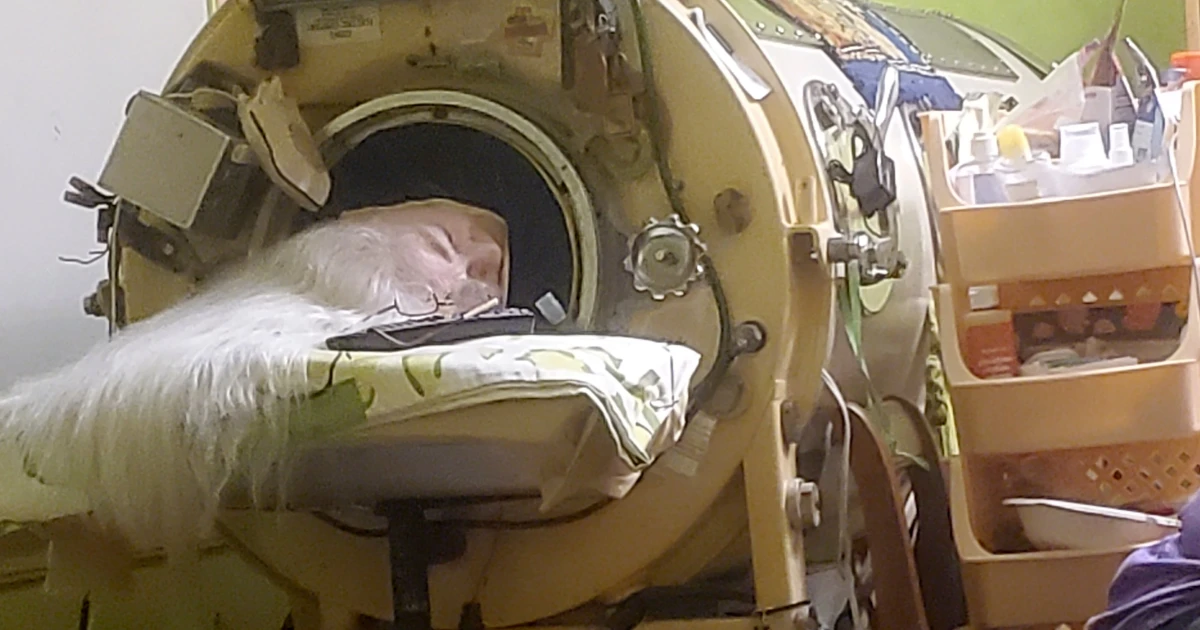
Martha Lillard, the last known U.S. polio patient using an iron lung, died on June 26 at her home in Shawnee, Oklahoma, at age 78. Her death closes one of the most visible chapters in America’s polio history, a disease that once filled wards with iron lungs and left families measuring childhood in restrictions, not milestones.
Lillard contracted polio in 1953, when she was 5 years old, and spent the rest of her life depending on the tank-like respirator that kept her breathing. Her sister, Cindy McVey, said long-haul COVID-19 contributed to her death, and said Lillard had been told she was not supposed to live past age 20. A family photo used in reporting showed Lillard resting in her iron lung on February 6, 2026.
Her life was defined by the machine and by the improvisation that made long survival possible. KFOR reported that her grandfather retrofitted the iron lung with a secondary motor, allowing her to get in and out of it once she was a teenager. The same reporting said she could attend school only one hour a day, never went to the prom, and took high school classes over the phone. She could not graduate because her district did not offer all the coursework needed for a diploma.
In recent weeks, the iron lung itself became part of the story. A local report said the decades-old machine had started breaking down, and no one could repair it. Lillard invited a television crew into her home about three weeks before her death because she was desperate for help keeping the device working.
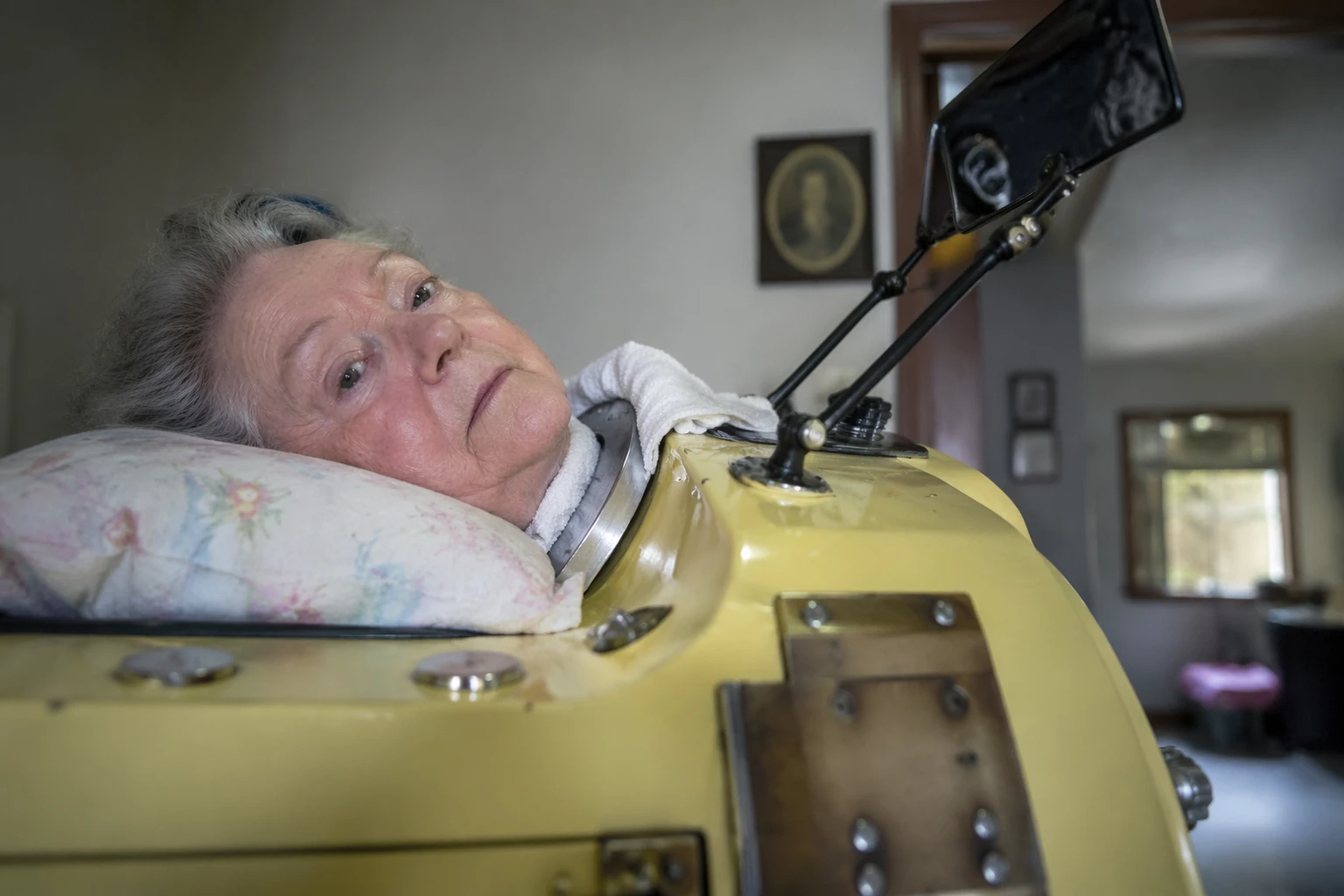
Her death is also a reminder of how far polio has receded from daily American life. The Centers for Disease Control and Prevention says U.S. polio infections peaked in 1952 with more than 21,000 paralytic cases. The first effective vaccines arrived in 1955 and 1961, and the last case of wild poliovirus acquired in the United States was in 1979. By 1959, about 1,200 people were still using iron lungs in the country, after mass distribution of the machines began in 1939.
That distance from the epidemic is part of the risk now. As vaccine politics harden and younger Americans grow up without seeing polio’s damage, Lillard’s long survival stood as a living record of what vaccination prevented and what public health memory can lose once the last iron-lung survivor is gone.
Sources
- [1]news.google.com
- [2]apnews.com
- [3]kfor.com
- [4]cdc.gov
- [5]gavi.org
- [6]pfizer.com
- [7]kgou.org