Entertainment
Late-opening pubs set for World Cup as Catherine returns to Wimbledon
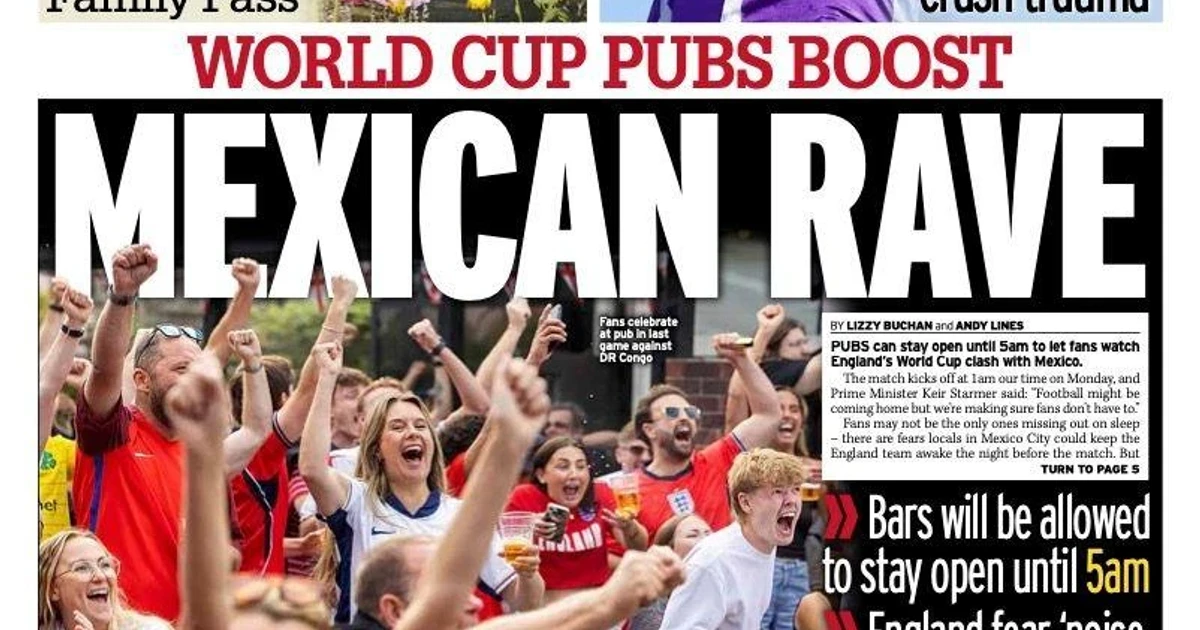
Pub doors across England and Wales can stay open until 1am or 2am for knockout-stage matches in the 2026 FIFA World Cup involving England or Scotland, after the Licensing Act 2003 (FIFA World Cup Licensing Hours) Order 2026 took effect on Monday 8 June 2026. The temporary order gives ministers a way to turn football into licensing policy, extending trading hours only when kick-off times would otherwise cut short the biggest matches.
The government opened a consultation in December 2025 and closed it on 15 January 2026, casting the proposal as a way to let fans watch the tournament in pubs and bars rather than at home. The Night Time Industries Association welcomed the plan, saying longer hours would help fans enjoy matches safely and responsibly. In Sheffield, some pubs were reported to be seeking permission to stay open until 5am, a sign that the World Cup is already being used by operators as a commercial test of how far licensing rules can be pushed for a major sporting event.
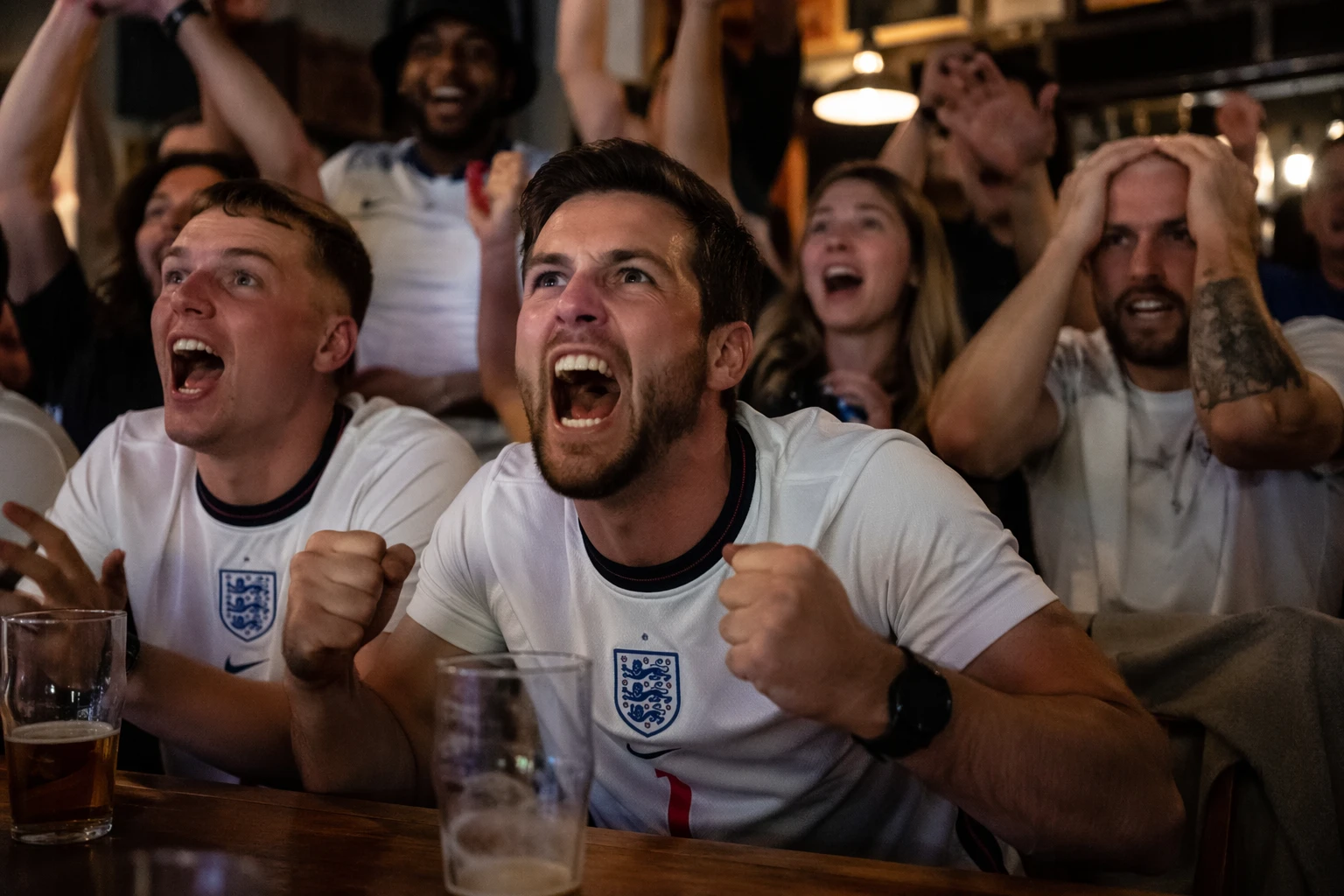
The policy’s benefits are concentrated in the late-night economy, but its costs are spread through the neighbourhoods around licensed venues. Councils have been urged not to block applications for late openings and community screenings, which means licensing officers, police and transport planners will be the ones working through the practical load of bigger crowds, later journeys home and more noise around match nights. Because the order only applies to knockout matches involving a men’s senior team representing England or Scotland, it is limited in scope, but it still shifts the balance between extra trade for pubs and extra pressure on local services.
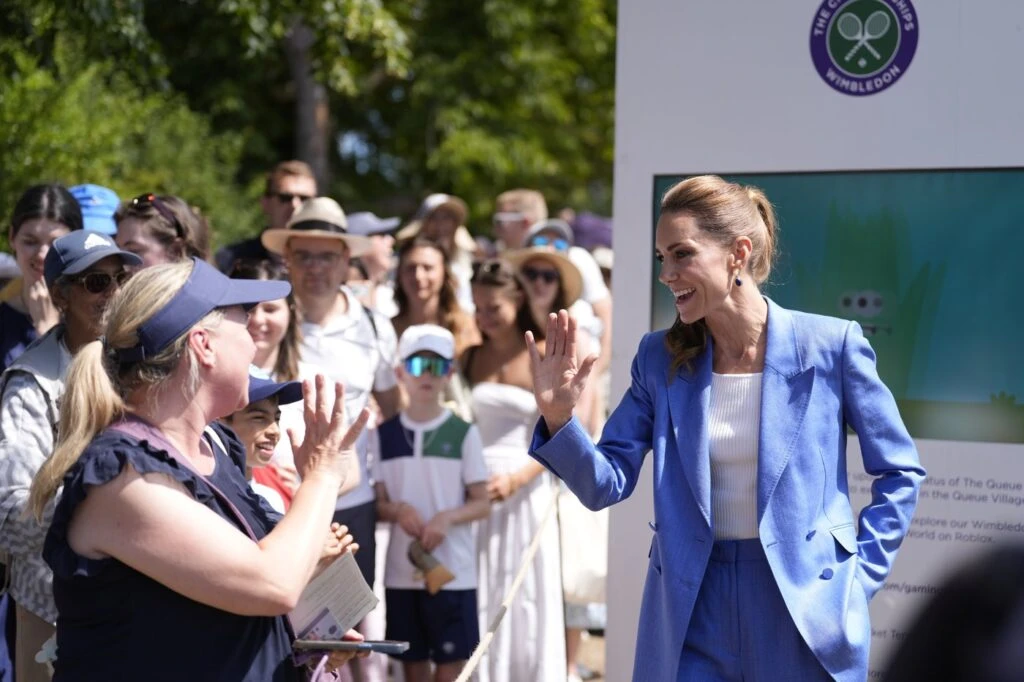
The other headline on Friday was Kate, the Princess of Wales, at Wimbledon on Thursday 2 July 2026, where she greeted fans in the Queue and attended matches at the All England Club. Wimbledon 2026 runs from Monday 29 June to Sunday 12 July, Transport for London says play will finish no later than 23:00, and the Royal Box at Centre Court seats about 80 people. Together, the two stories show how national events are managed as controlled public spectacles, with access, timing and crowd movement set well before the crowds arrive.
Sources
- [1]bbc.co.uk
- [2]legislation.gov.uk
- [3]gov.uk
- [4]wimbledon.com
- [5]tfl.gov.uk
- [6]sports.yahoo.com