Sports
Latin American fans turn on Argentina amid World Cup run
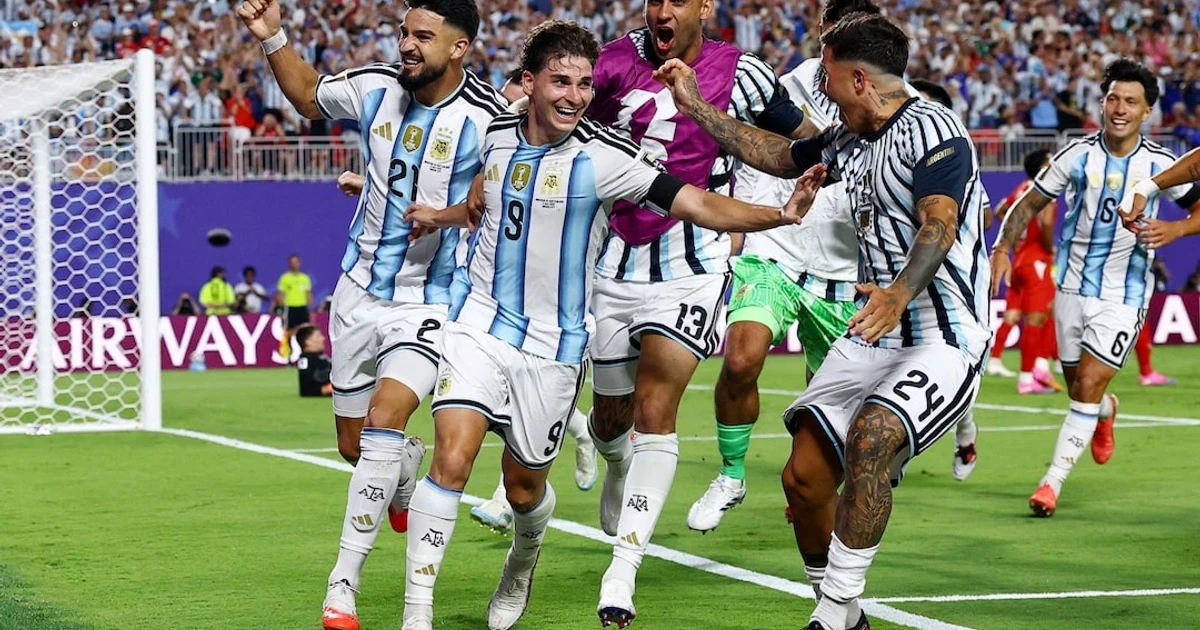
Argentina reached the World Cup semifinal in Atlanta on July 15 after a 3-1 win over Switzerland, extending a tournament run that also included victories over Algeria, Austria, Jordan, Cabo Verde and Egypt. In a 48-team, 104-match World Cup spread across 16 host cities in Canada, Mexico and the United States, the defending champion’s path became a referendum on more than its football.
Across Latin America, Argentina’s status as the last regional team standing did not automatically produce solidarity. Instead, the run exposed how deeply the country’s football image is entangled with arguments about arrogance, favoritism and who gets to speak for the region. For many neighboring fans, cheering for Lionel Messi’s team meant setting aside long-running resentment over a national style often seen as superior, combative and protected by referees.
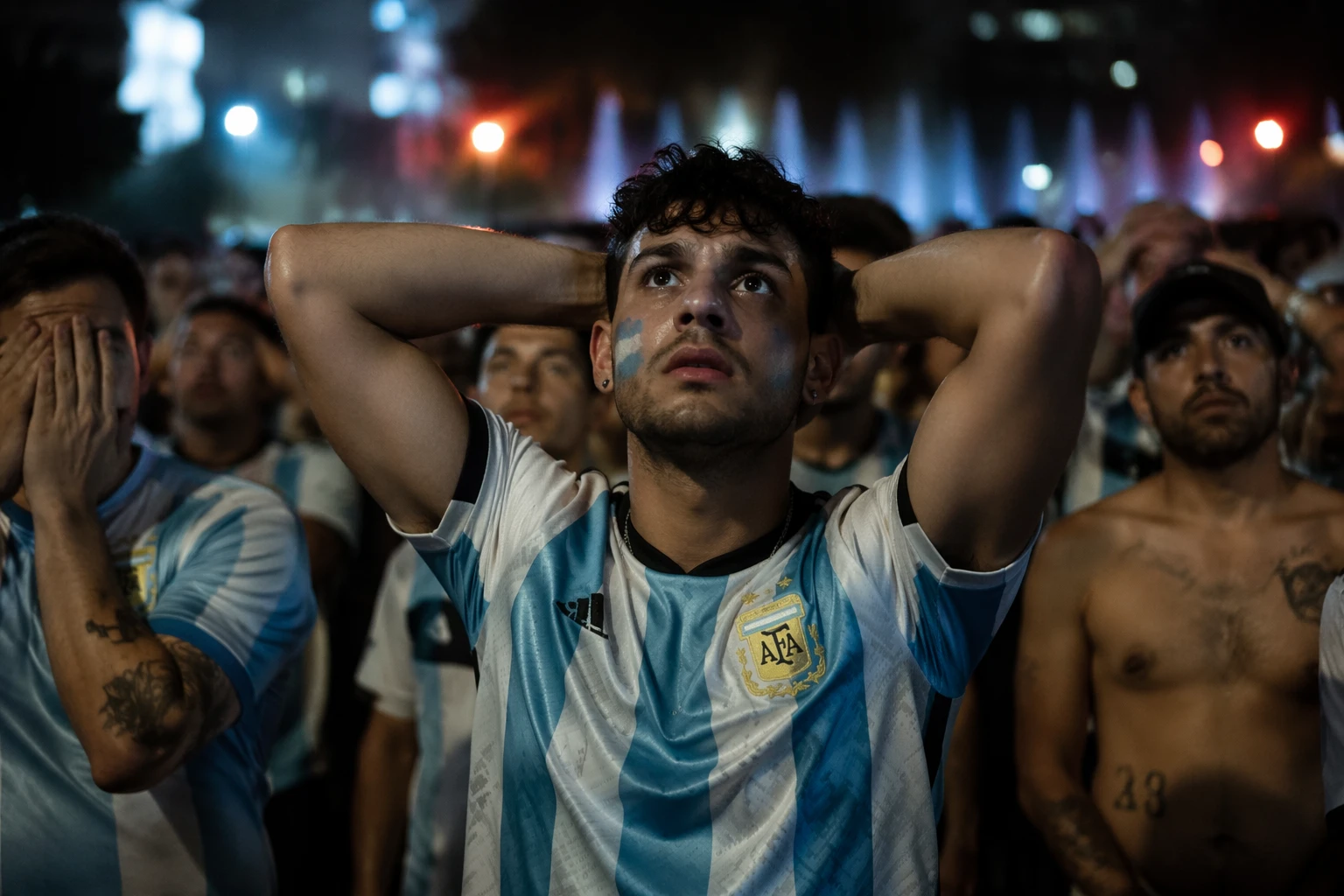
That tension has also been amplified by social media debates over officiating and by accusations from some supporters and commentators that Argentina has received special consideration. Recent coverage has tied the hostility not only to results on the field but to criticism of Argentine football culture itself, including arguments over racism and the country’s so-called white myth, a narrative that has long minimized Afro-descendant and Indigenous communities. Those disputes have given the backlash a sharper political edge than a simple rivalry.
The pattern is not new in world soccer. In 2014, Brazilian fans openly urged others to cheer against Miroslav Klose as he chased Ronaldo’s World Cup scoring record, a reminder that regional nationalism often overwhelms continental sentiment when records, pride and identity collide. Argentina’s latest run has revived the same instinct, only now with a broader Latin American audience watching and judging.
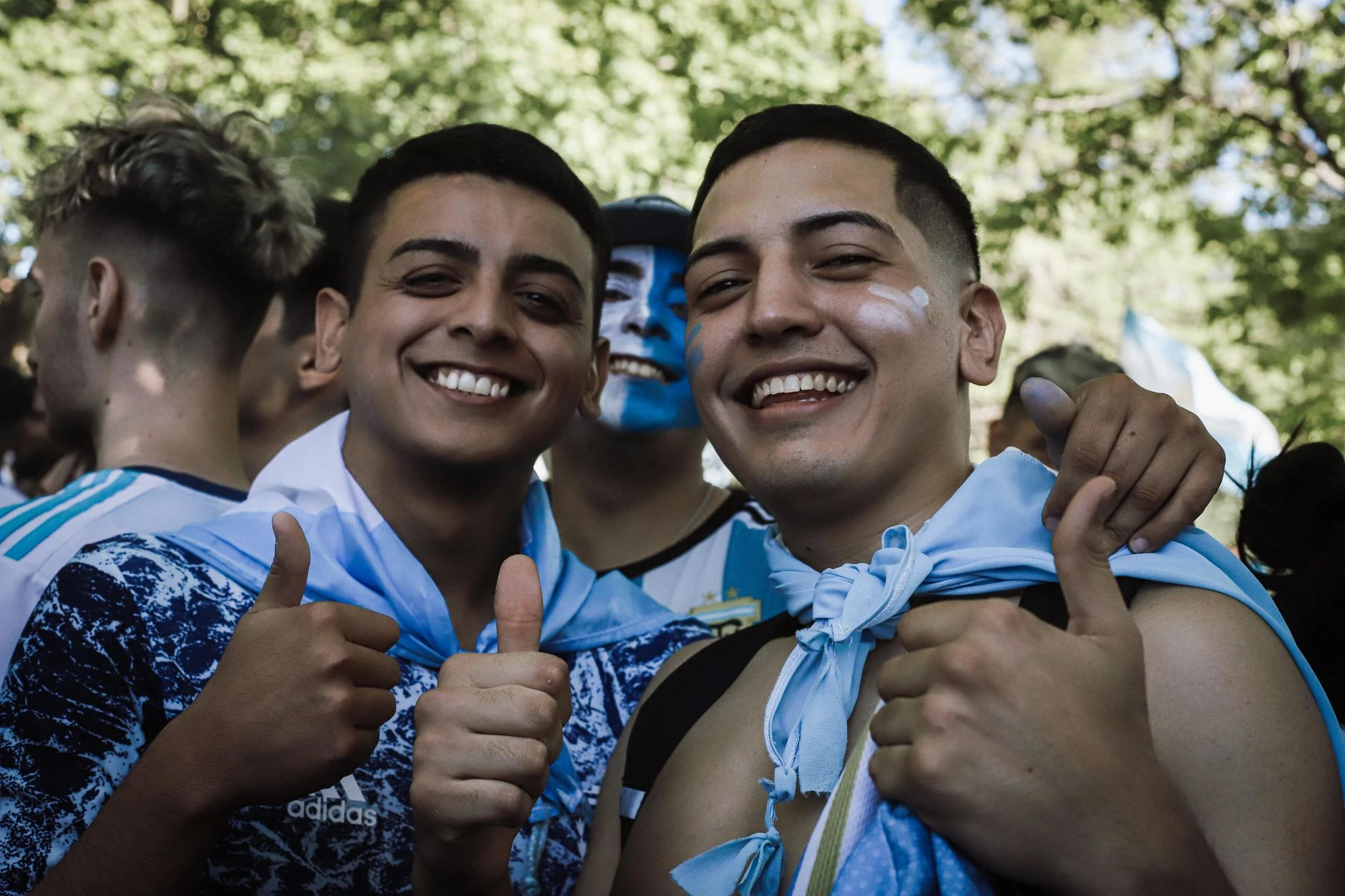
That judgment has been especially harsh because Argentina arrived as the defending world champion after winning the 2022 title. Its advance to a semifinal against England turned what could have been a straightforward celebration of a Latin American power into a contest over belonging, with neighbors measuring not just goals and results but the country’s place in a region that has never fully trusted its self-image.
Sources
- [1]nytimes.com
- [2]fifa.com
- [3]apnews.com
- [4]aljazeera.com
- [5]wionews.com