Business
Latin American nations push back against U.S. forced-labor tariffs
Latin American governments pushed back at a U.S. Trade Representative hearing in Washington after the administration tied new tariffs to alleged failures to police forced labor in global supply chains. Mexico, Peru, Guatemala and Ecuador argued that they already have laws and procedures in place to block goods made with forced labor, and warned that the proposed duties would punish law-abiding exporters as much as any violators.
The hearing opened July 7 at the United States International Trade Commission at 500 E Street SW in Washington, with written comments due the day before. The trade fight grew out of a Section 301 case that USTR launched on March 12, 2026, and expanded on June 2, when the agency said the acts, policies and practices of 60 economies were unreasonable and burdened U.S. commerce. USTR’s proposed response would add tariffs of 10% on Mexico and 12.5% on other economies, while carving out a textile mechanism that would let a certain volume of apparel and textile imports from some countries enter at a reduced Section 301 rate.
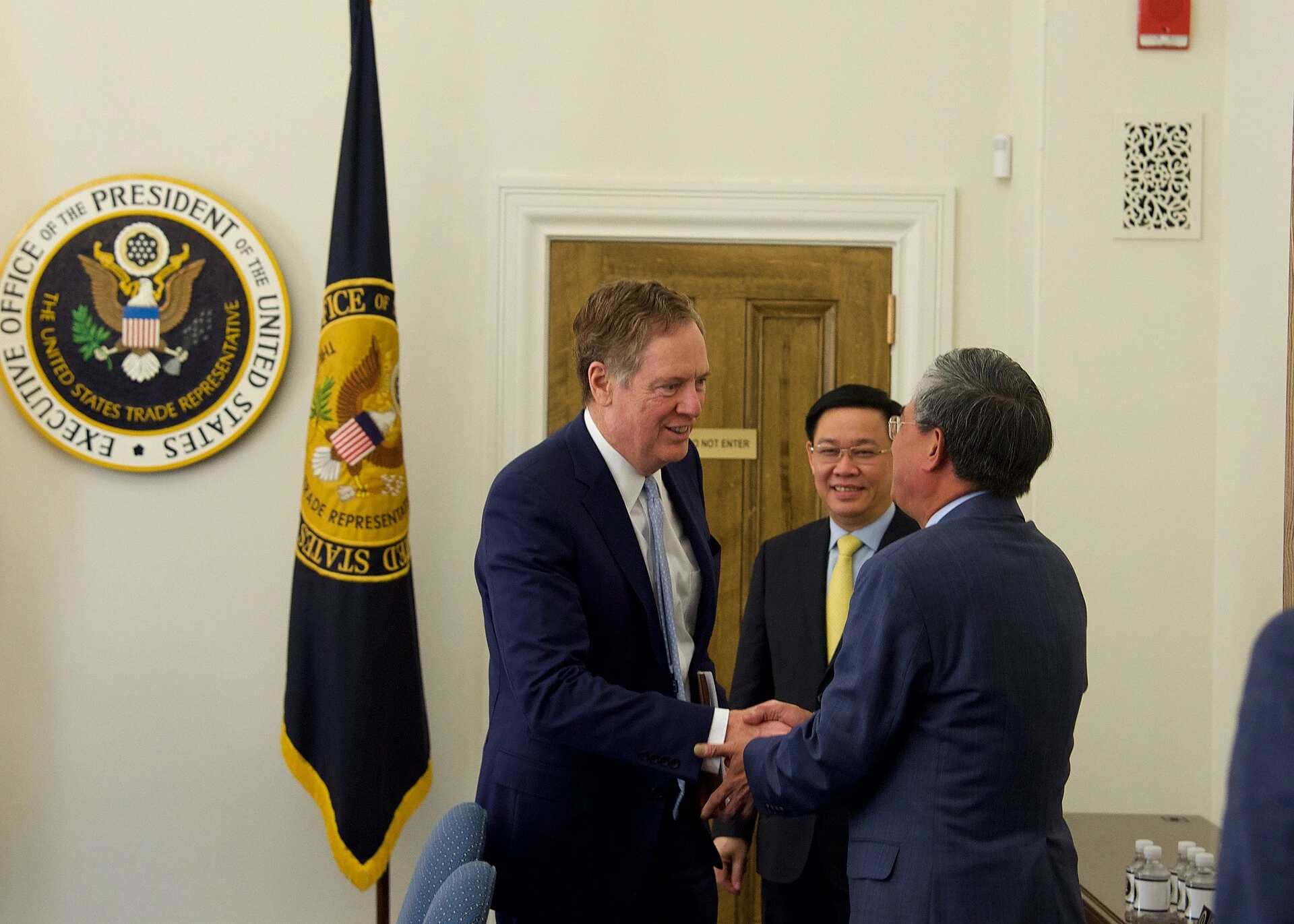
Mexico’s economy undersecretary, Ernesto Acevedo Fernandez, told the panel that Mexico had made the fight against forced labor a serious priority. He said an extra tariff would unfairly punish Mexican companies that are complying with the law. Peru’s trade negotiator made a similar case, saying no concrete burden on U.S. commerce had been shown and that the legal standard under Section 301 had not been met. The panel schedule also listed Victoria Meza for Guatemala, Leon Roldos for Ecuador and Jose Luis Castillo Mezarina for Peru, underscoring how broad the regional pushback had become.
USTR’s June 2 findings identified Canada, Ecuador, the European Union, Indonesia, Mexico and Pakistan as economies that had failed to effectively enforce a prohibition on imports of goods produced with forced labor. That has turned the case into more than a labor-enforcement dispute. It is now a test of whether Washington is using forced-labor rules as a targeted human-rights tool or as a wider tariff lever that could raise costs for downstream manufacturers and consumers while inviting retaliation from Latin American partners. Democratic state attorneys general have already objected, calling the proposal an abuse of Section 301 authority and signaling that the next battle may move from the hearing room to the courts.
Sources
- [1]usnews.com
- [2]ustr.gov
- [3]federalregister.gov
- [4]yahoo.com