Technology
Launch problem delays NASA’s Swift satellite rescue mission
A software issue stopped Northrop Grumman’s aircraft from releasing the Pegasus rocket over the Pacific, aborting a rescue attempt for NASA’s Swift Observatory after weather delays had already pushed the mission through the week. Another launch attempt was set for Friday after the problem was fixed.
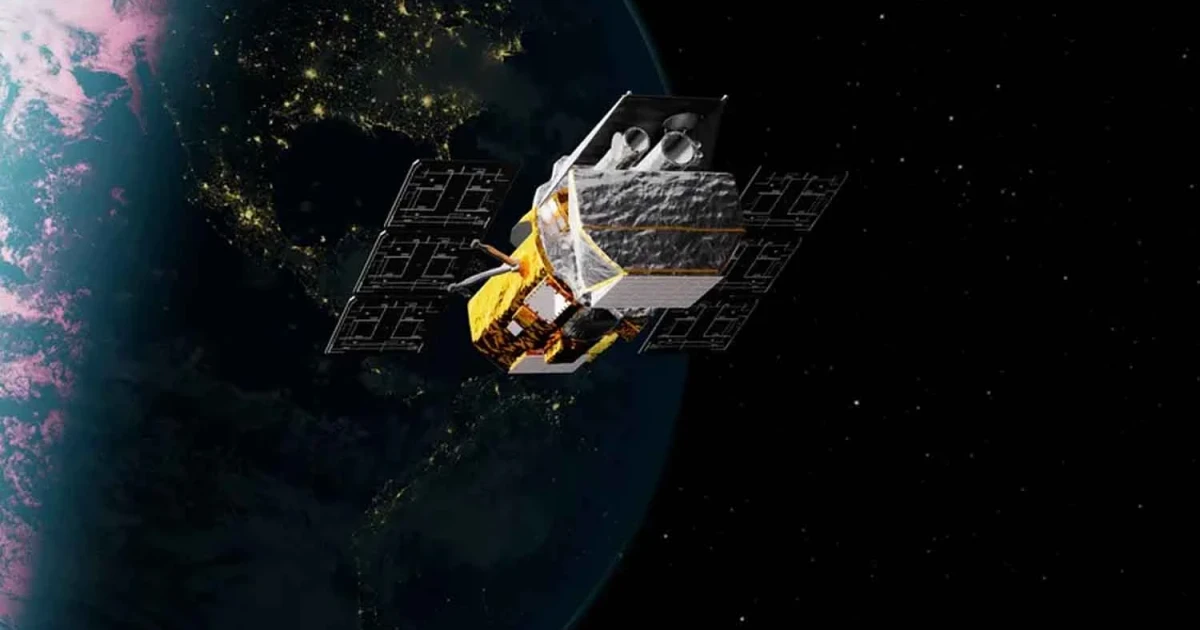
The rocket was carrying a three-armed robotic spacecraft built by Katalyst Space Technologies, part of a $30 million salvage operation NASA awarded last September. The aircraft had taken off from the Marshall Islands on Thursday, but the abort left the Pegasus strapped to the plane’s belly and extended the tension around a mission that has very little room for error.
NASA has said Swift could come crashing down by October if no rescue succeeds. To buy time, the agency paused the telescope’s science operations earlier in 2026 and tried to preserve its orbit as long as possible, a gamble that reflects how narrow the recovery window has become for a spacecraft launched in 2004.
Swift has spent more than two decades spotting thousands of gamma-ray bursts and exploding stars, making it an early-warning system for other telescopes that need a quick cue to train their instruments on fleeting events. If the rescue fails, NASA stands to lose one of its most productive astronomy platforms, and the science community could lose a telescope that still helps trigger observations far beyond its own orbit.
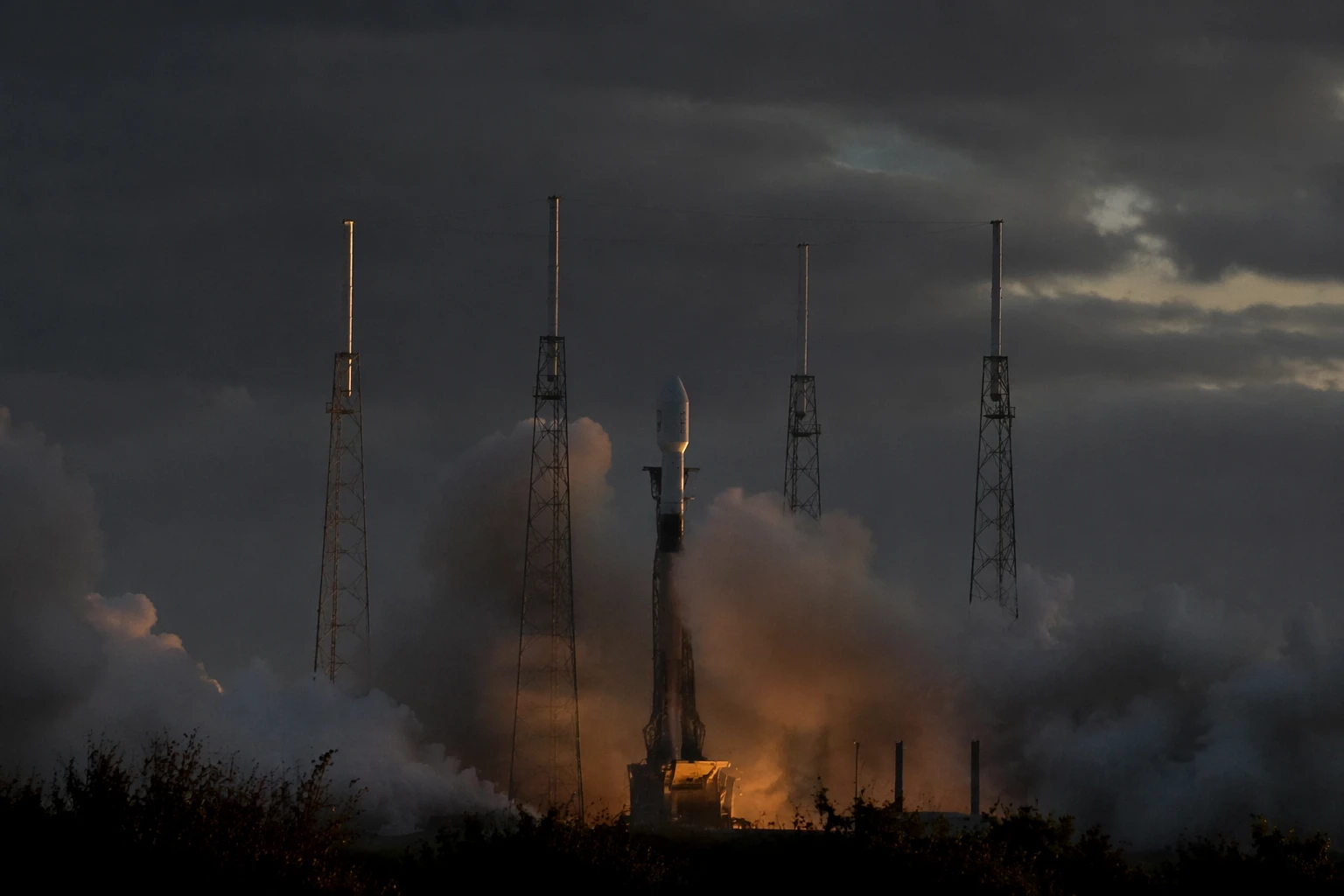
The mission is also notable because it is the first attempt to service a satellite that was never designed for in-space maintenance. That makes every hold, fix and relaunch decision part of a much larger test for aging space hardware, from the telescope itself to the Pegasus XL rocket, which is approaching the end of its era.
For NASA and Katalyst, the stakes are compressed into a few days and a single aircraft launch. The window is not just about getting Pegasus off the plane. It is about reaching Swift before orbital decay turns a rescue mission into a recovery failure.
Sources
- [1]news.google.com
- [2]apnews.com
- [3]wdhn.com
- [4]abcnews.com
- [5]nasa.gov