Health
Laundry Detergent Pod Chemicals Raise Eczema Concerns
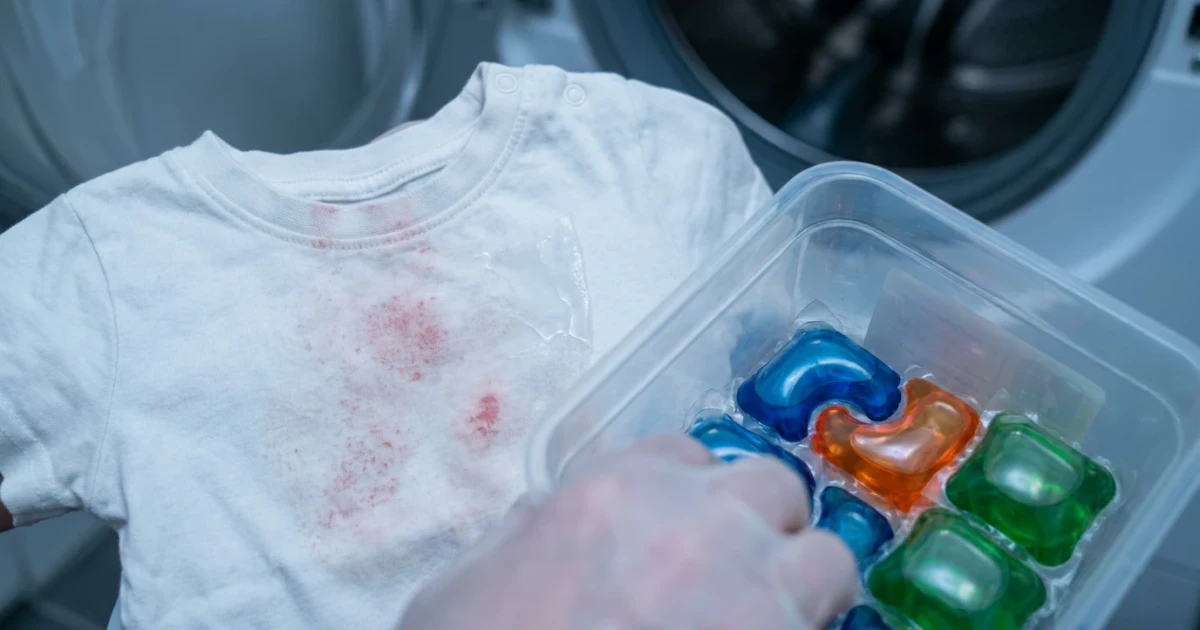
Millions of American households rely on convenient laundry detergent pods, but growing evidence now suggests these products may be contributing to a surge in childhood eczema cases. Dermatologists are increasingly linking chemical residues left by these pods on clothing to outbreaks of the common skin condition, raising questions about safety standards for household products.
Dermatologists Observe Surge in Childhood Eczema
Reports first highlighted by the Iowa Park Leader point to a worrying trend: children who wear clothing laundered with detergent pods appear to experience higher rates of eczema flare-ups. According to the Centers for Disease Control and Prevention, eczema (also known as atopic dermatitis) affects up to 13% of children in the United States, with rates rising in recent years. Dermatologists note that while eczema is influenced by genetics and environment, exposure to certain chemicals can trigger or worsen symptoms.
How Detergent Pods Leave Residue
Unlike traditional liquid or powder detergents, single-use pods contain concentrated chemical ingredients, some of which are not always fully rinsed away during a typical wash cycle. Research published in the Journal of Dermatology reviews how detergent chemicals—particularly surfactants and fragrances—can persist as residue on fabric. This residue may disrupt the natural skin barrier, leading to irritation and inflammation, especially for children with sensitive skin or a family history of eczema.
- Common chemicals found in pods include surfactants, enzymes, and synthetic fragrances.
- The TSCA Chemical Substance Inventory lists hundreds of substances approved for detergent use, but not all have been thoroughly studied for lingering skin effects.
What the Evidence Shows
Several recent studies have strengthened the association between laundry detergent residue and atopic dermatitis in children. According to a comprehensive review of environmental triggers, children exposed to certain detergent chemicals are more likely to develop eczema symptoms, especially if they already have dry or sensitive skin. The American Academy of Dermatology notes that even small amounts of residue can cause reactions in susceptible children.
Key statistics from recent studies:
- Up to 10% of eczema flare-ups in children are now believed to be triggered by chemical irritants in household products, including laundry detergents.
- Children with a family history of allergies or eczema are at significantly higher risk when exposed to these residues.
Regulatory Review and Consumer Guidance
While the Food and Drug Administration (FDA) and Environmental Protection Agency (EPA) monitor chemical safety in consumer products, some dermatologists say more oversight is needed. Current regulations require manufacturers to test for acute toxicity, but long-term effects of low-level residue exposure—particularly in children—are less well documented.
Experts recommend parents take the following precautions:
- Use fragrance-free and dye-free detergents whenever possible
- Add an extra rinse cycle to laundry loads
- Wash new clothing before wear
- Avoid overfilling washing machines, which can leave more residue behind
Looking Ahead
As detergent pod use remains widespread, the link to childhood eczema will likely prompt further research and potential regulatory review. In the meantime, parents of children with sensitive skin or eczema should consult with their healthcare provider and consider switching to milder, residue-free laundry products. For more detailed guidance and the latest research, visit the American Academy of Dermatology's eczema resource.