Politics
Lauren Edwards to revive assisted dying bill after Lords delay
Lauren Edwards is bringing back the same assisted dying bill that won Commons approval but was left stranded in the Lords after an extraordinary amendment blitz. The Labour MP for Rochester and Strood said she would revive the Terminally Ill Adults (End of Life) Bill, keeping alive a reform that would let terminally ill adults, subject to safeguards and protections, request assistance to end their own life.
The Commons gave the bill its Third Reading on 20 June 2025 after months of debate, but it ran out of time in the House of Lords in April 2026. Peers had tabled more than 1,000 amendments, with some coverage putting the figure at nearly 1,300, and ITV News reported that the majority came from just seven lords. That procedural weight, rather than a fresh defeat on the merits, is what stopped the bill.
Edwards said she had chosen to return to the issue after coming second in the Private Members’ Bill ballot, a position that gives her a strong chance to reintroduce legislation. She told the BBC she was “playing by the rules” and said it was reasonable to ask peers to “finish the job” because the Commons had already backed the measure. Her argument is that the political test has already been passed in the elected chamber, and the upper house should not simply smother the bill through delay.
The renewed push shows how little has changed in the substance of the proposal. The bill remains the same Private Members’ Bill that originated in the 2024-26 parliamentary session, and its central promise is unchanged: terminally ill adults could ask for help to end their own life, but only under strict conditions set out in the bill. What has changed is the politics around it, with supporters framing the Lords’ delay as obstruction and opponents seeing the revival as proof that the controversy has not been resolved.
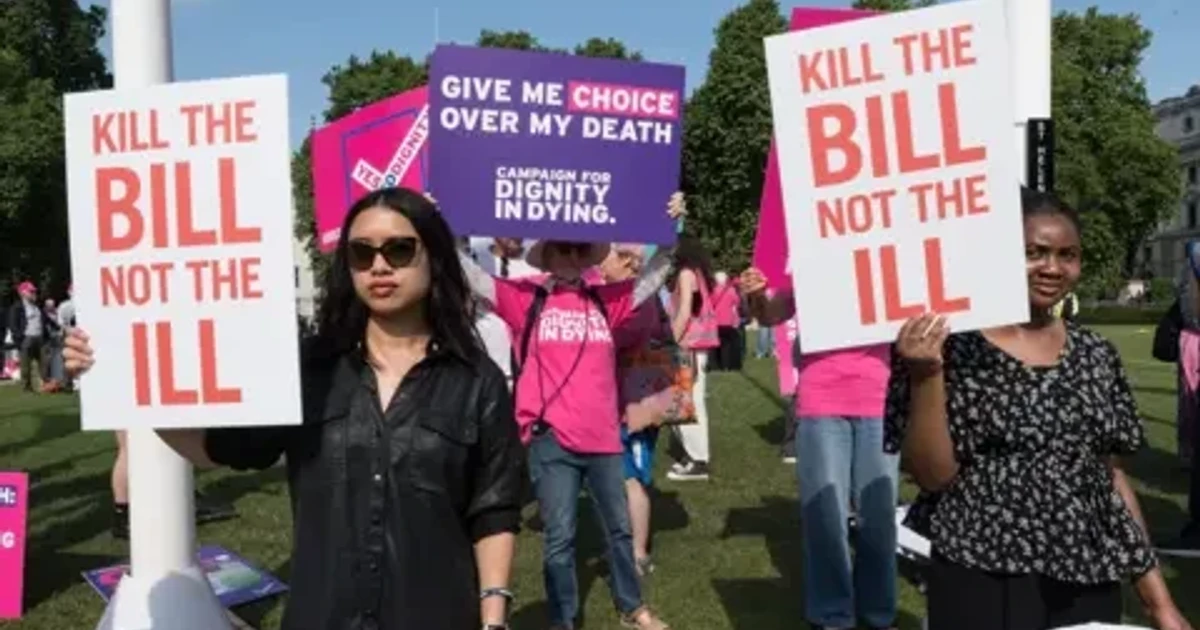
That resistance is organised and vocal. Disability campaigners have urged Edwards to use her ballot position for palliative care legislation instead, warning that assisted dying could put vulnerable people at risk of being pressured into ending their lives early. In contrast, Dignity in Dying, My Death, My Decision and Humanists UK welcomed the bill’s return as renewed hope for dying people.
The wider constitutional stakes are obvious too. The Parliament Act has reportedly been used only seven times in the last century, but supporters and critics alike know that if the Commons passed the same bill in two consecutive sessions, peers could be unable to block it a second time. Edwards, who said on 20 June 2025 that she backed the bill because she believed it was “one of the most important, compassionate and empowering changes to healthcare in a generation,” is now betting that persistence can turn a narrow Commons victory into law.
Sources
- [1]bbc.com
- [2]bills.parliament.uk
- [3]aol.com
- [4]itv.com
- [5]mydeath-mydecision.org.uk
- [6]dignityindying.org.uk
- [7]laurenedwards.uk
- [8]disabilitynewsservice.com
- [9]cms.law