World
Lavrov says Russia remains committed to Trump peace proposals for Ukraine
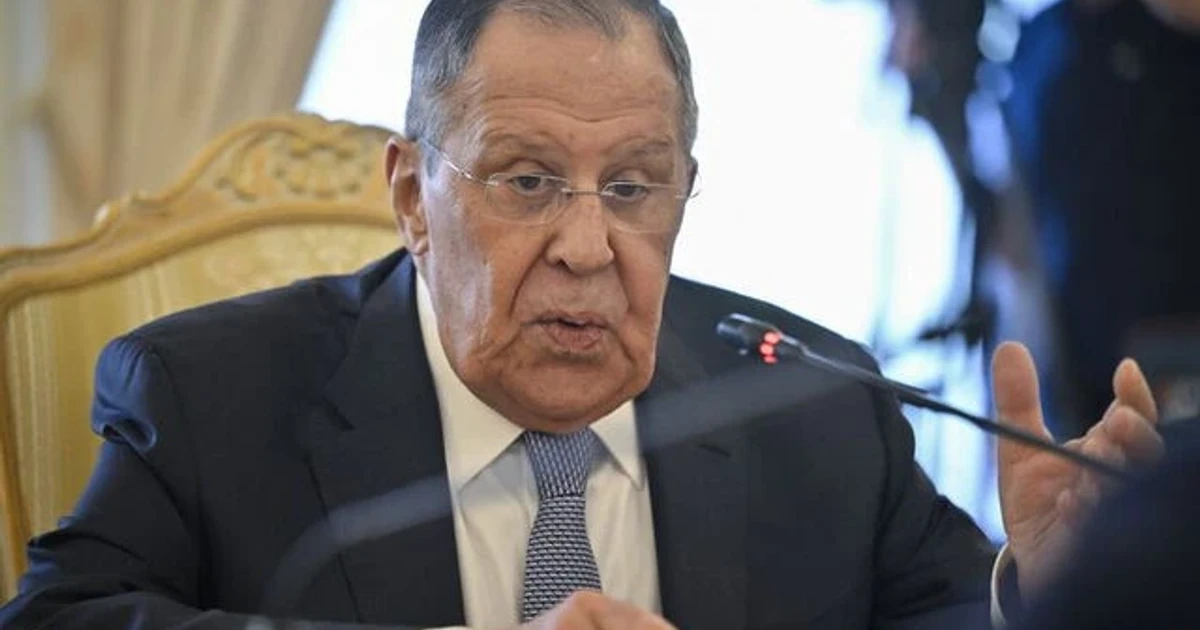
Sergei Lavrov said Moscow remained committed to Donald Trump’s proposals for ending the war in Ukraine, but his message was as much about leverage as peace. By signaling openness to a U.S.-led channel while dismissing Europe’s role, Russia showed it wants the next phase of talks to be shaped on terms it can live with, not by a broader Western consensus.
Lavrov’s comments came as Kremlin aide Yuri Ushakov said U.S. envoys Steve Witkoff and Jared Kushner would return to Russia again soon. That keeps the diplomatic track alive through direct contacts, even as the details of any settlement remain unresolved. Lavrov said he wanted to hear how any peace agreement based on U.S. proposals would actually be carried out, a reminder that implementation, not slogans, is now the central issue.
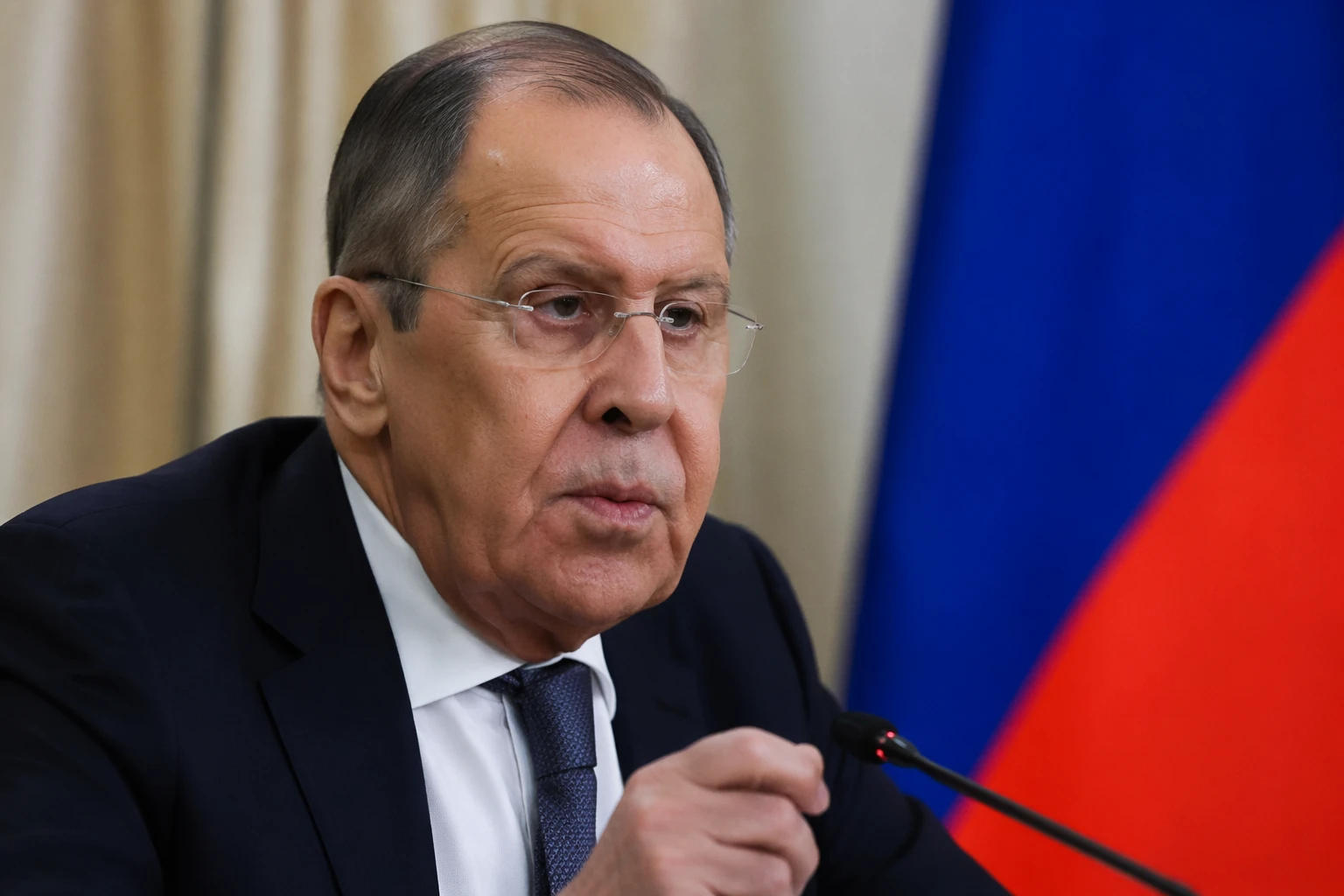
The timing matters because Washington has been pressing the diplomacy harder. Donald Trump spoke by phone with Vladimir Putin and Volodymyr Zelensky on June 14, while the same day he turned 80. Those calls came amid a broader push to keep negotiations moving ahead of the G7 summit in France. The White House has not yet translated that effort into a concrete framework that both sides have accepted in full.
Europe has tried to reinsert itself into the process. On June 7, Britain, France and Germany said they supported talks between Zelensky and Putin to try to secure a ceasefire. The leaders of those countries backed five principles for peace, including an immediate ceasefire, legally binding security guarantees for Ukraine and keeping Russian assets frozen until compensation is addressed. Ukrainian reporting said Zelensky and the three European leaders also agreed negotiations should begin at the current line of contact.
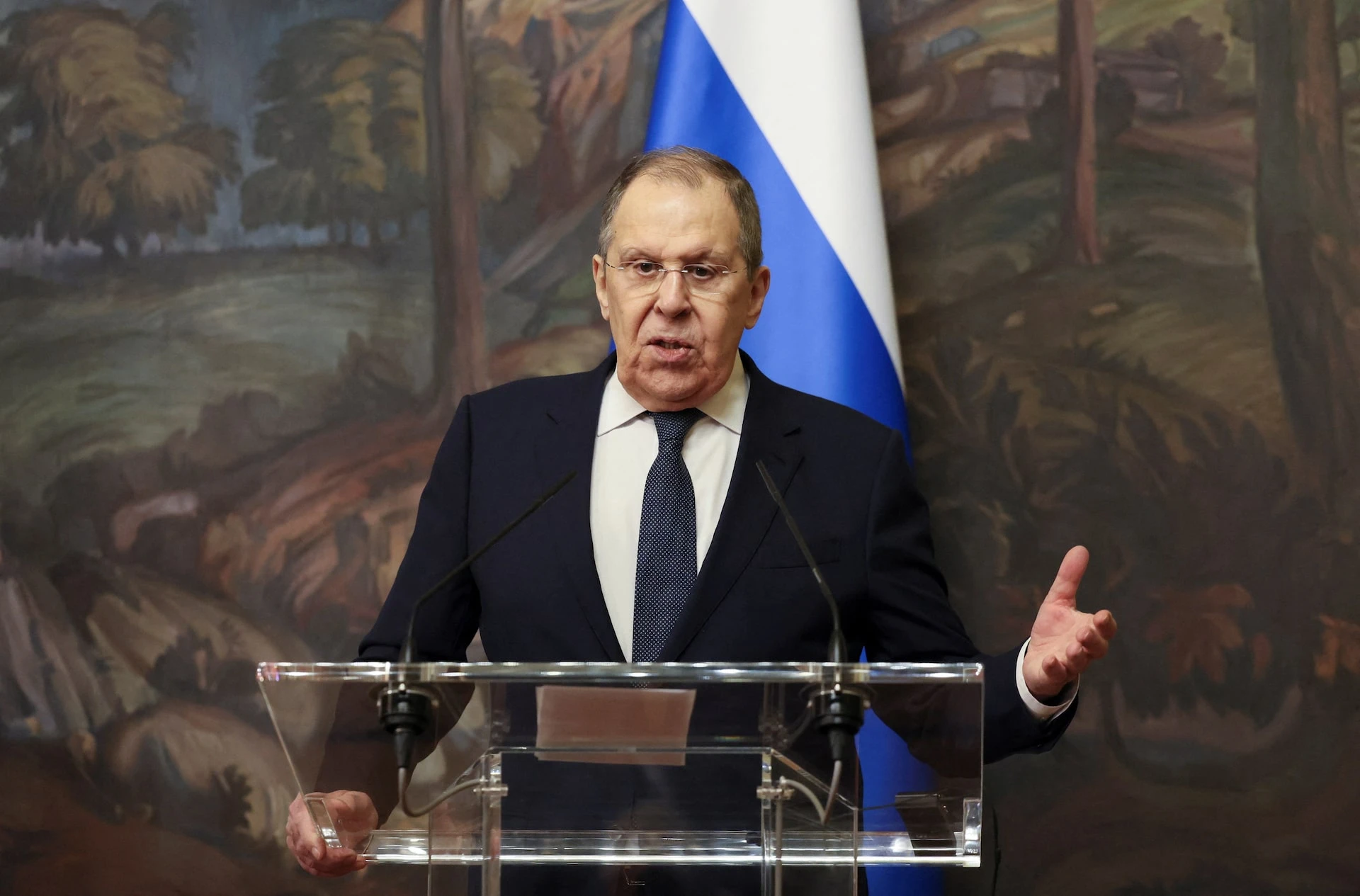
That is precisely the part of the process Moscow appears determined to resist. Earlier June reporting showed Russian officials rejecting Ukrainian and European peace initiatives and arguing that the battlefield, not diplomacy, would decide the war. Lavrov’s attack on Europe fits that pattern: he is accepting the language of U.S. mediation while portraying London, Paris and Berlin as obstacle-makers rather than deal-makers.
The result is a narrow and unstable opening. A December 2025 U.S.-backed framework had already evolved into a 20-point plan, showing how often the terms have shifted. Even now, the unresolved questions are the ones that matter most: whether any ceasefire would freeze the front line, what security guarantees Ukraine would receive and whether Russia would accept terms that limit its military aims. Lavrov’s remarks suggest Moscow wants to keep talking, but only if the talks move toward an outcome it can control.
Sources
- [1]usnews.com
- [2]chronicle.lu
- [3]kyivpost.com
- [4]news.liga.net
- [5]nampa.org