Politics
Lawmakers Demand Action After Trump’s Iran Threat
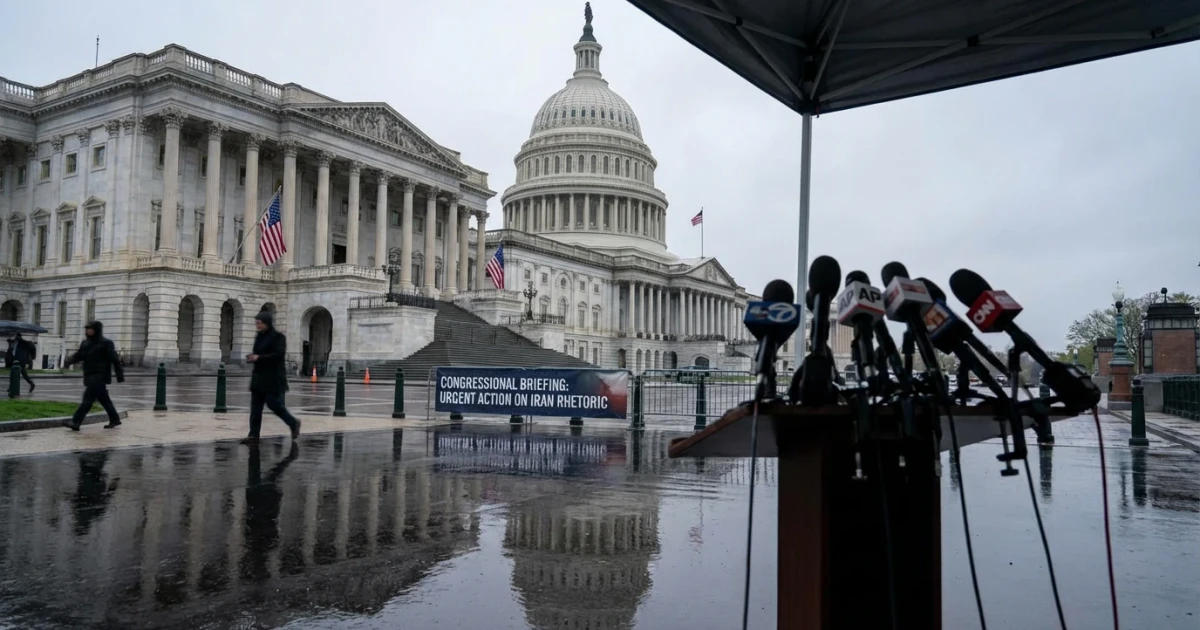
US lawmakers are calling for the removal of former President Donald Trump following his recent remarks threatening Iran with the phrase 'civilization will die,' a statement that has ignited bipartisan concern and renewed debate over presidential rhetoric and national security. The comments, widely circulated in media reports, prompted immediate reactions from both Democratic and Republican members of Congress, who questioned the appropriateness and legality of such threats against a foreign nation.
Controversial Warning Raises Alarm
Trump's warning, in which he stated that 'civilization will die' if Iran were to take certain actions, was swiftly condemned by many lawmakers as escalatory and dangerous. Middle East Eye reported that the statement, interpreted as a threat of massive and potentially disproportionate retaliation, has been criticized for its potential to further destabilize US-Iran relations and undermine diplomatic efforts in the region.
Calls for Removal and Accountability
Following the remarks, several members of Congress publicly called for Trump's removal from positions of influence, arguing that his rhetoric poses a threat to global stability and US credibility. Lawmakers cited the need for accountability, referencing past legislative action such as House Resolution 755, which previously addressed presidential conduct deemed incompatible with American values and law.
- Multiple lawmakers described the comments as reckless, with some likening them to prior threats that raised concerns about compliance with international law.
- Debate intensified over whether the remarks constituted grounds for further congressional action, including censure or formal proceedings for removal.
- Some officials pointed to the State Department’s analysis of Iran’s activities, emphasizing the importance of measured responses rather than inflammatory threats.
Bipartisan Reaction and Public Opinion
While criticism was most vocal among Democrats, several Republicans also expressed discomfort with the language used. The controversy highlights ongoing divisions over US foreign policy toward Iran and the appropriate parameters of presidential communication on national security issues.
Public opinion, as reflected in recent surveys, remains split on the best approach to relations with Iran, but there is broad consensus that threats of large-scale destruction are unlikely to yield positive outcomes for US interests or global peace.
Legal and Strategic Implications
Legal analysts have noted that such rhetoric could have significant implications under both US law and international conventions. Previous analyses, like those from Just Security, have raised questions about the legality of targeting civilian populations or infrastructure, warning that explicit threats may contravene established norms and invite international condemnation.
Strategic experts caution that escalatory language may hinder ongoing diplomatic efforts and complicate coordination with allies. The situation underscores the delicate balance required in addressing security concerns while adhering to legal and ethical standards.
What Comes Next?
As lawmakers consider possible responses, attention is turning to the mechanisms available for holding former presidents accountable for their statements and actions. Some members of Congress are advocating for new legislation or resolutions to reaffirm the boundaries of acceptable presidential conduct, while others suggest that ongoing public scrutiny is the best safeguard against future abuses of power.
The fallout from Trump’s remarks highlights enduring challenges in US-Iran relations and the need for careful stewardship of diplomatic language. How Congress chooses to respond may set important precedents for future administrations.